Privacy as Architecture - AA HIDE OUT – RIYADH – KSA
Category Name - Interiors, Landscape, Private Residences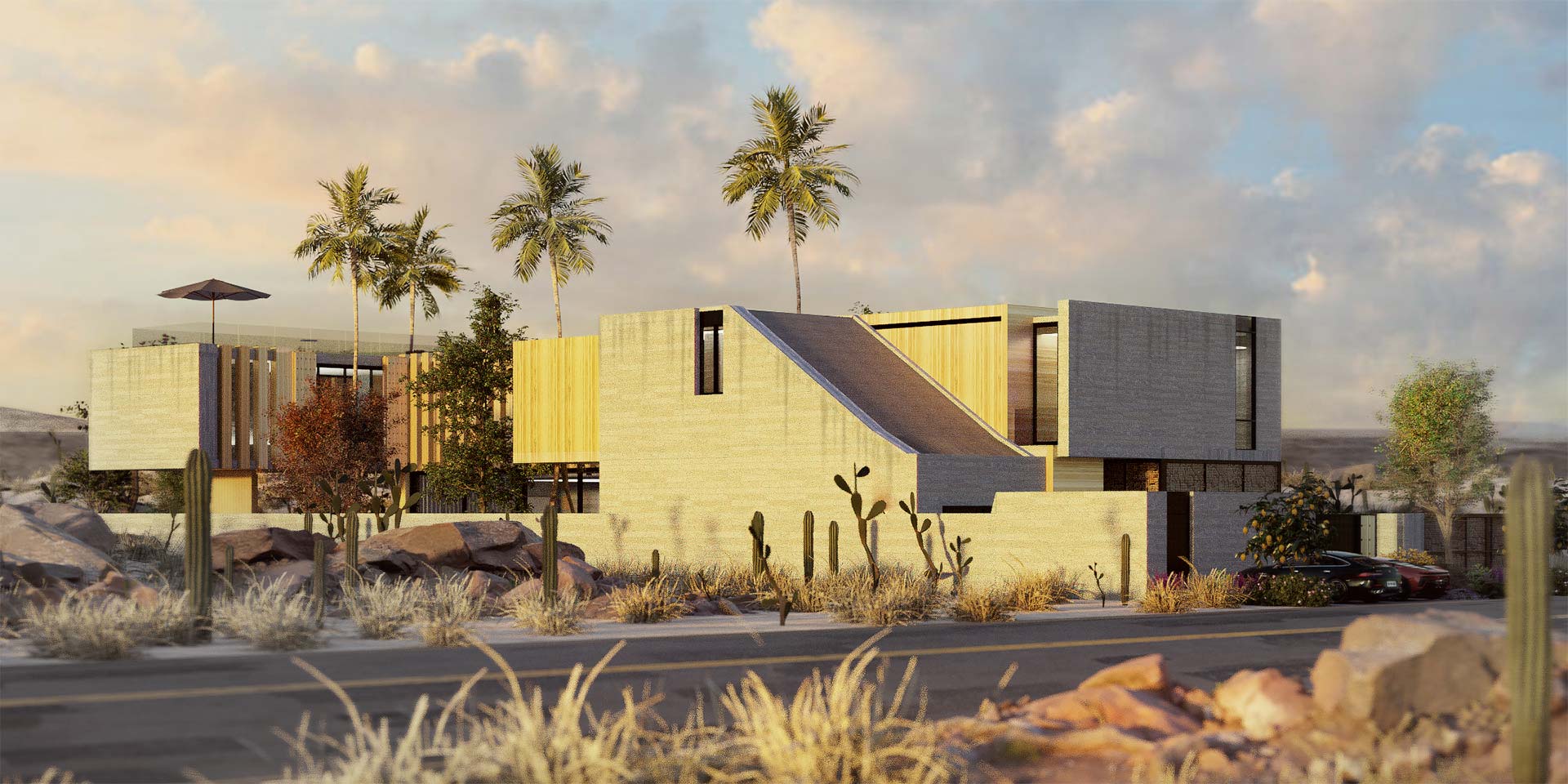
Gallery
Project summary
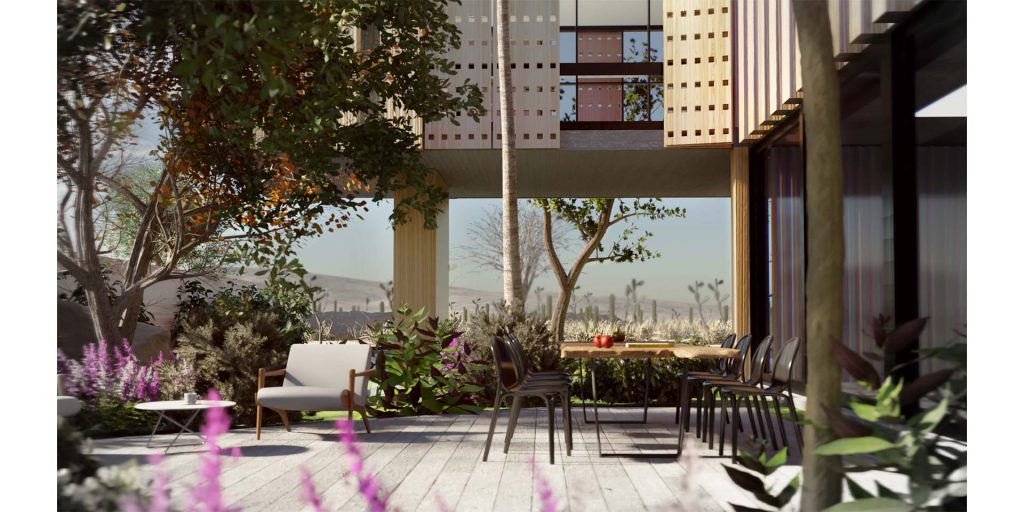
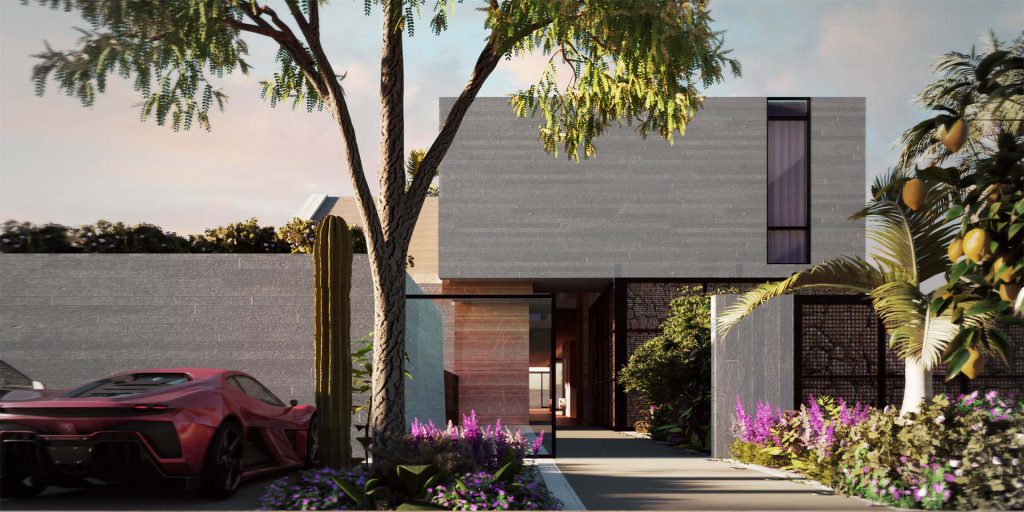
This vacation house is conceived as a quiet conversation with the desert.
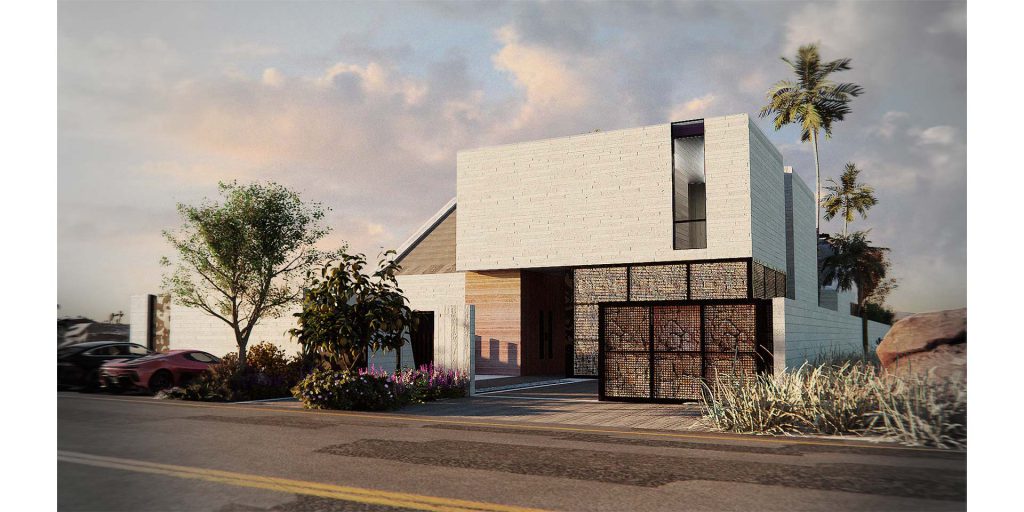
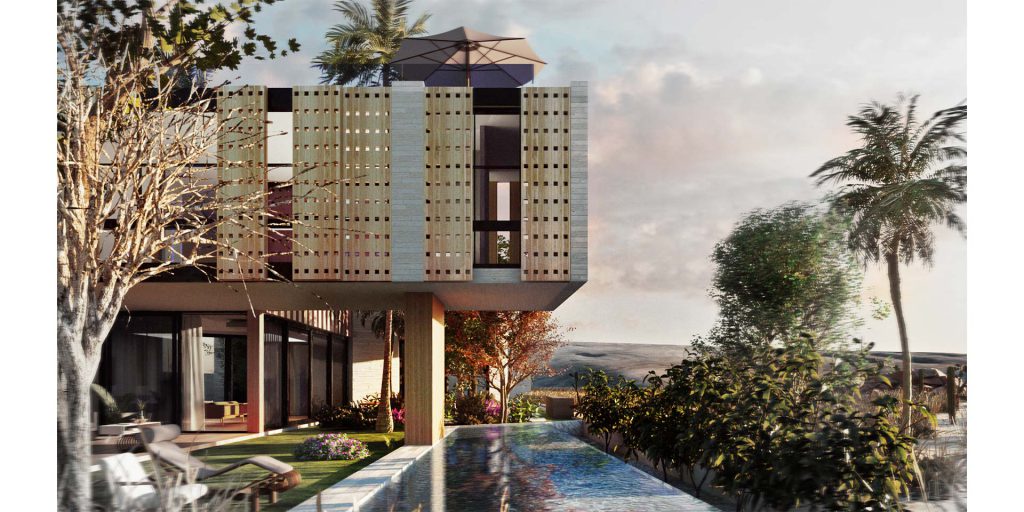
Rather than imposing a singular object, the architecture fragments into grounded volumes shaped by light, wind, and terrain—each mass responding to the scale and rhythm of the surrounding landscape.
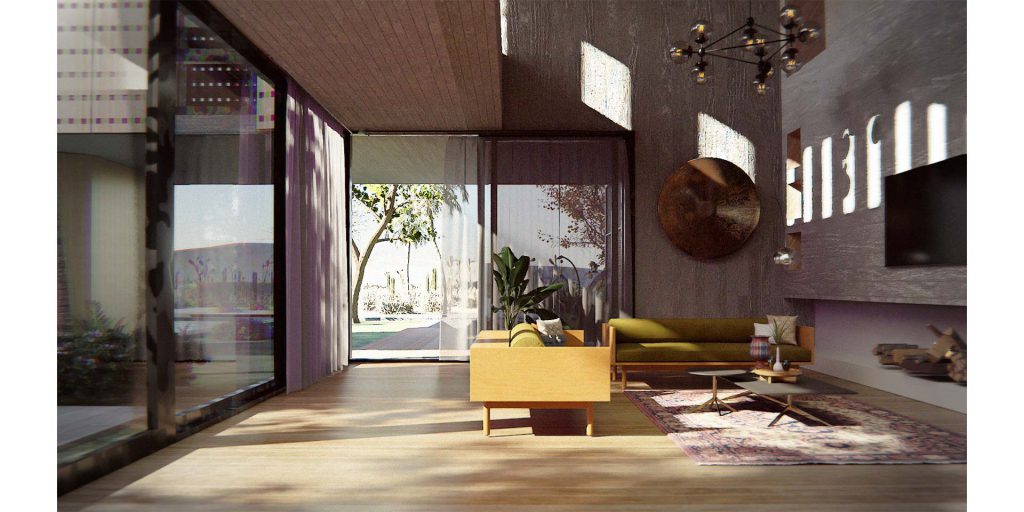
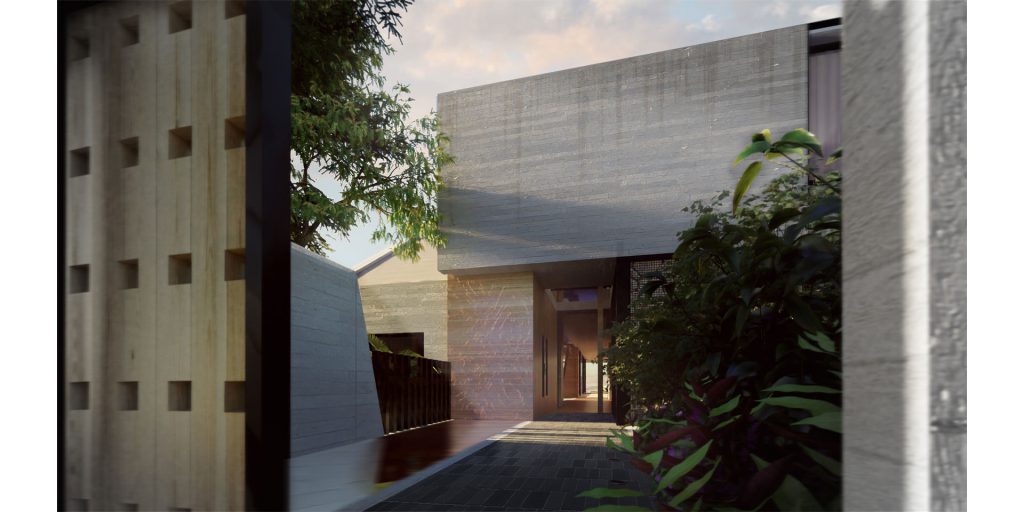
Materiality is deliberately earthy and tactile, allowing the house to age with the desert and absorb its tones. Deep recesses, shaded courtyards, and controlled openings create moments of protection and openness, framing views while tempering the harsh climate.
Here, architecture does not seek contrast but resonance—an inhabited landscape where built form and nature coexist through balance, restraint, and dialogue.
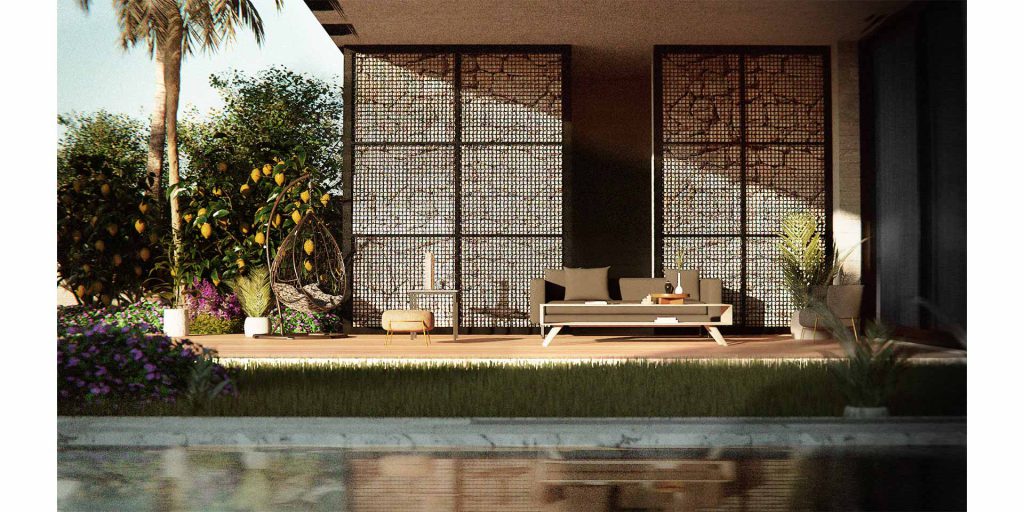
In a city where presence is performance, this project reclaims the right to disappear. The hide-out is conceived as an architecture of introversion — a compound that turns its back on the urban noise and folds inward around a series of private gardens and shaded courts.
From the exterior, it reveals almost nothing. From within, it opens generously to sky, water, and planted green, constructing a world that belongs entirely to those who inhabit it.
Privacy, here, is not a condition imposed by circumstance but a spatial proposition — architecture in service of the most fundamental human need: to be, sometimes, unseen.
Projects
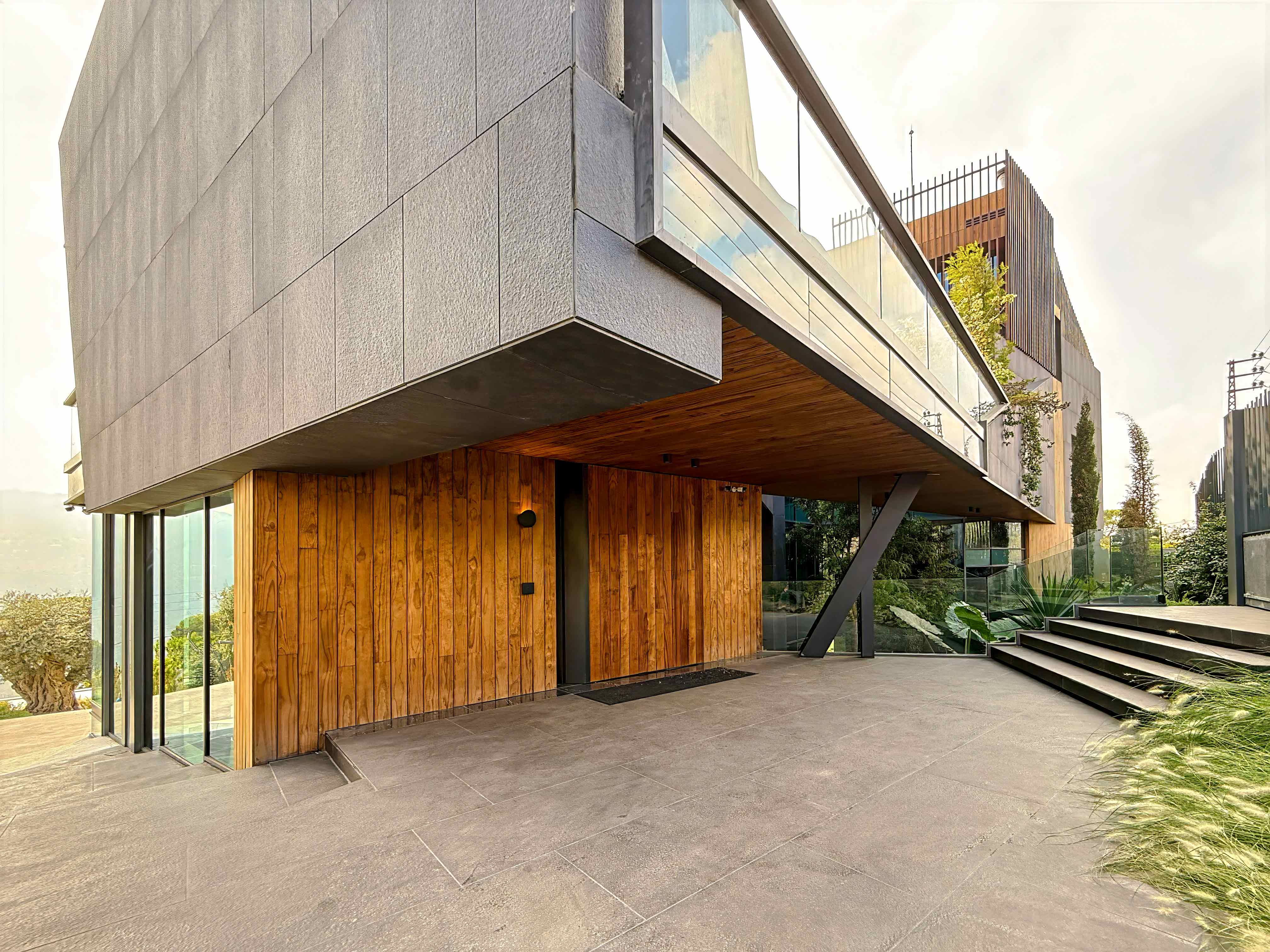
Where the Forest Holds Its Breath - BLACK EMBER - RL VILLA – BAABDAT – LEBANON
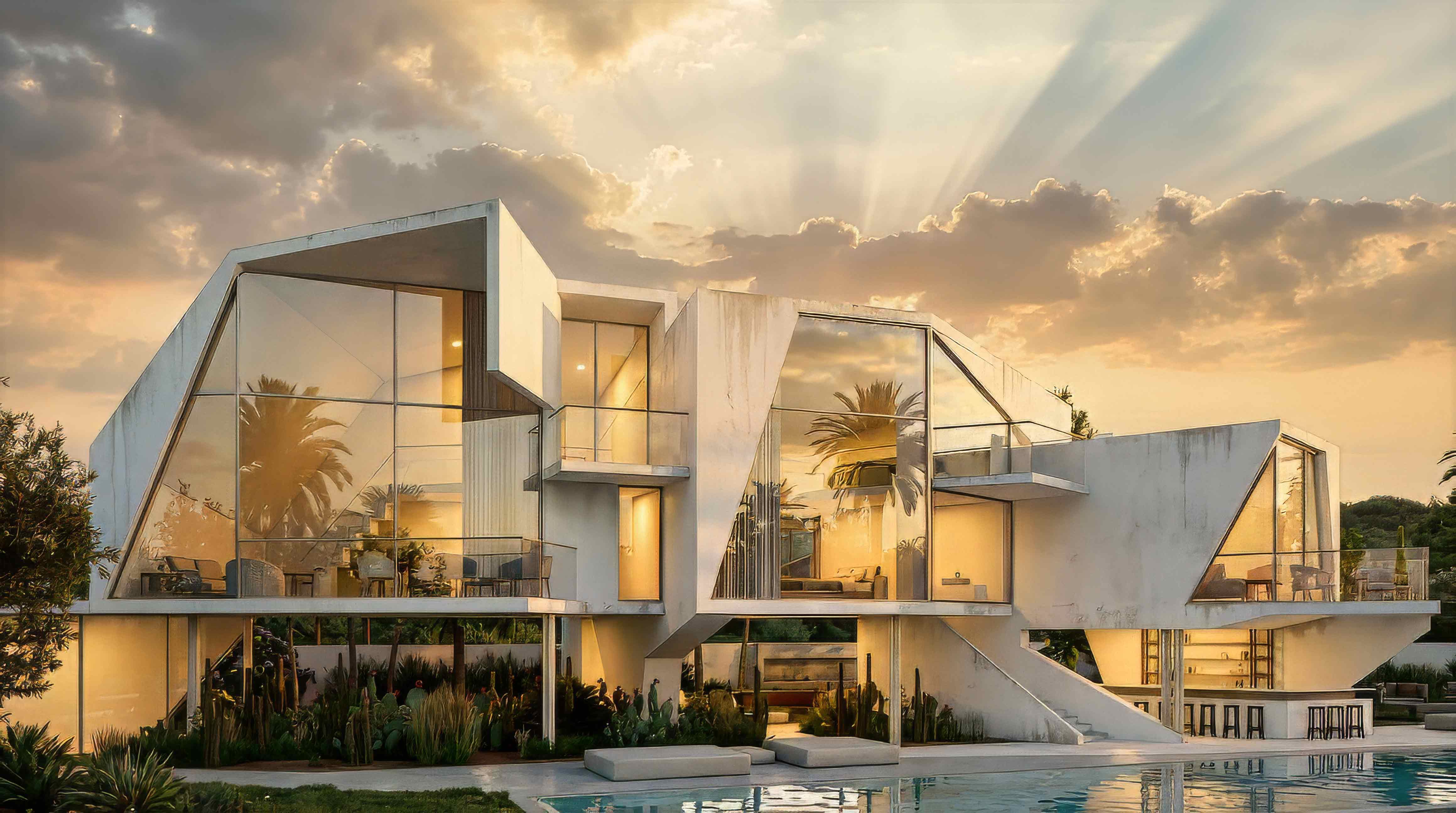
Where the Sea Becomes Infinite - HAMATE RETREAT- LEBANON
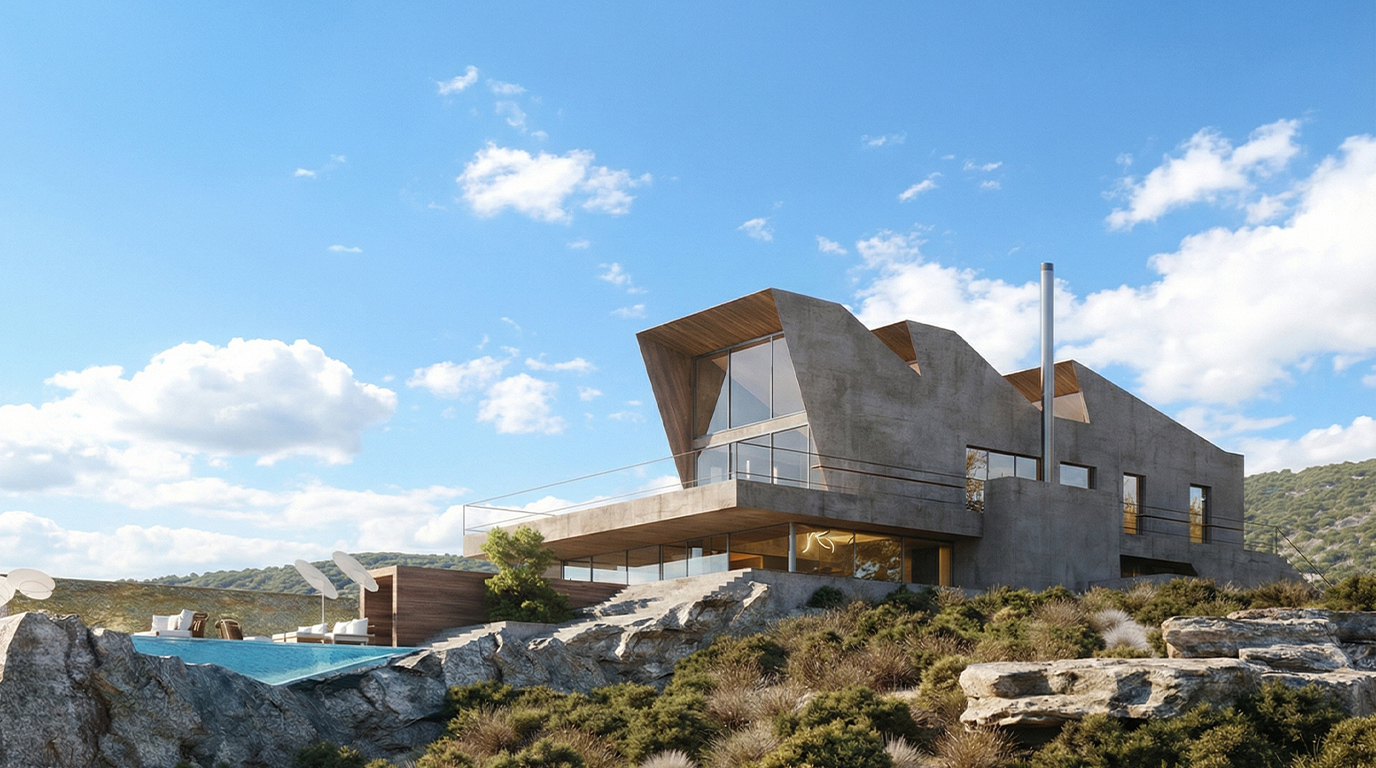
The Coastal Retreat - S SUMMER HOUSE– TYRE – LEBANON
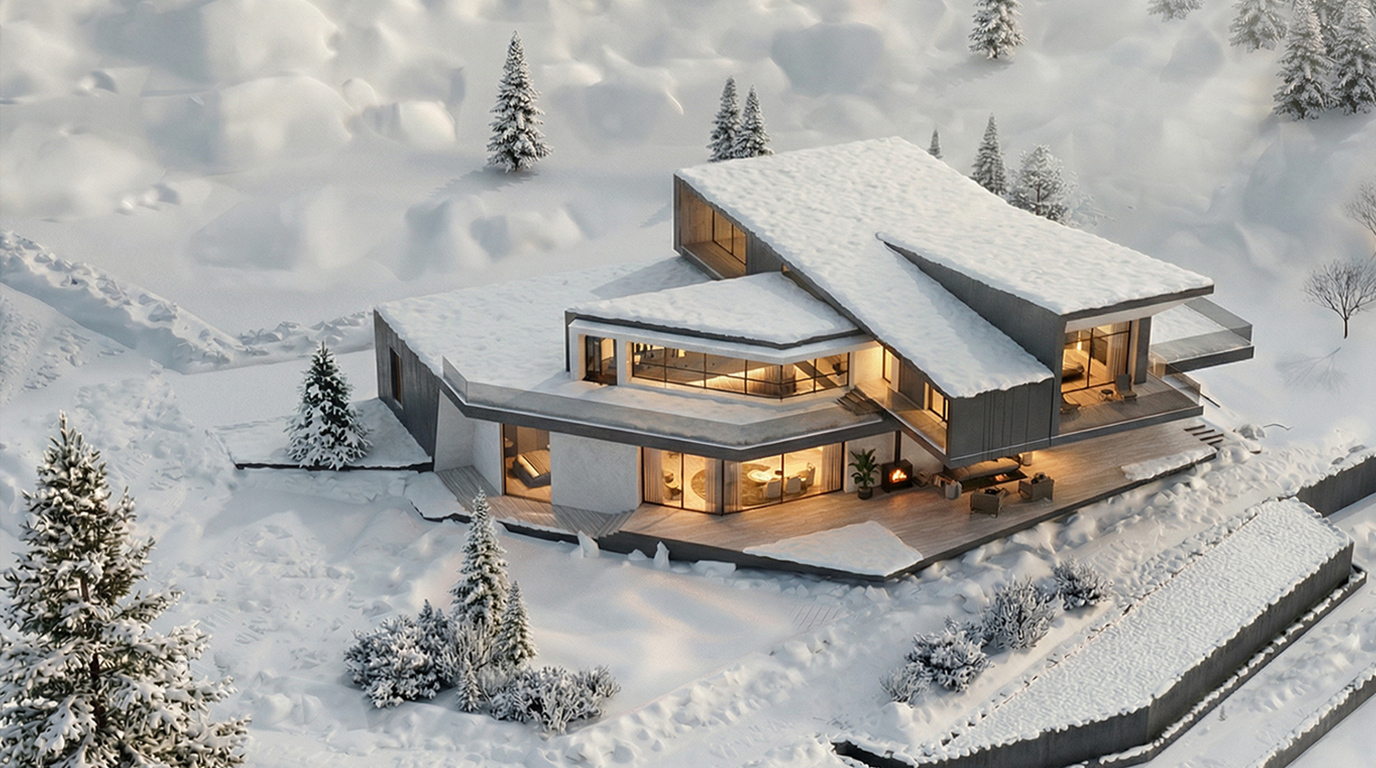
Unfolding the Mountain - THE WATCHER - A VILLA – ZAAROUR – LEBANON
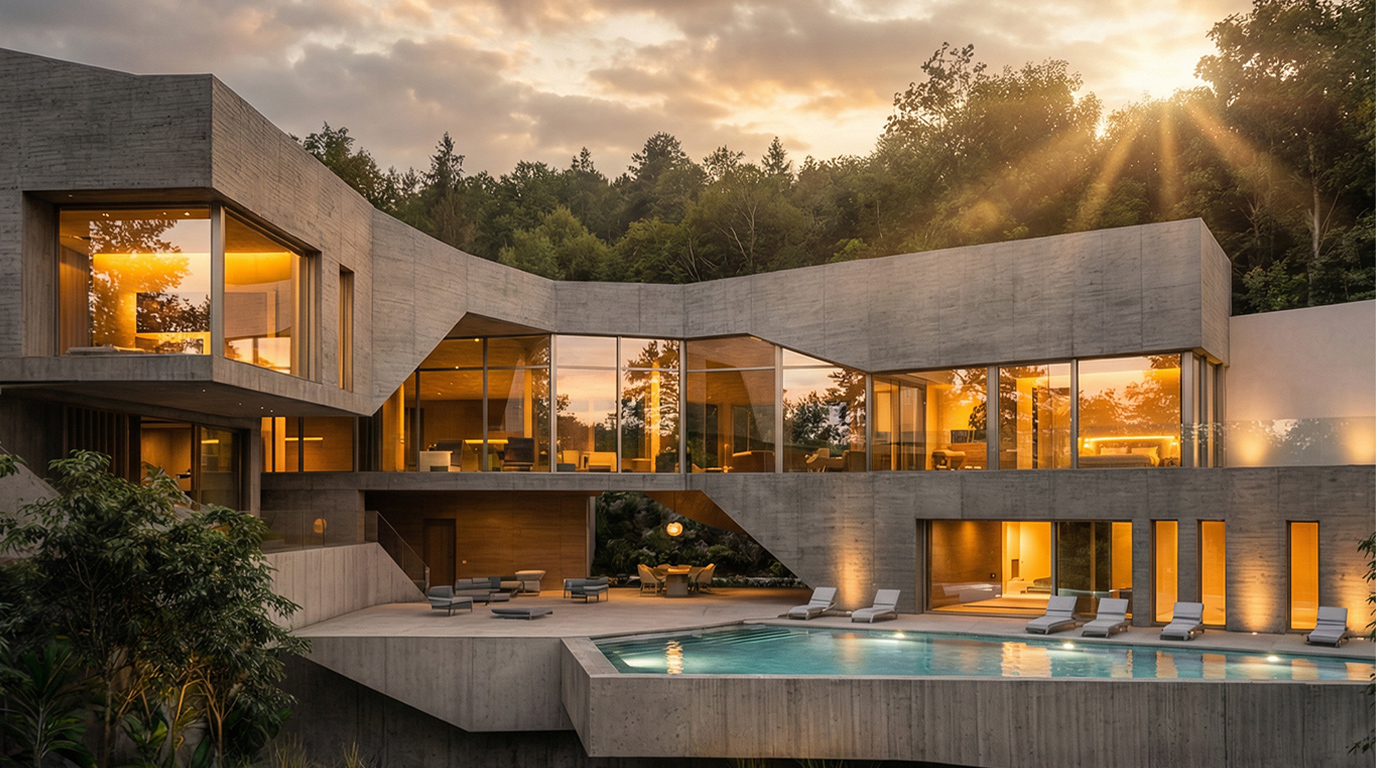
A House That Listens to the Wind - S VILLA – ABDELLE – LEBANON
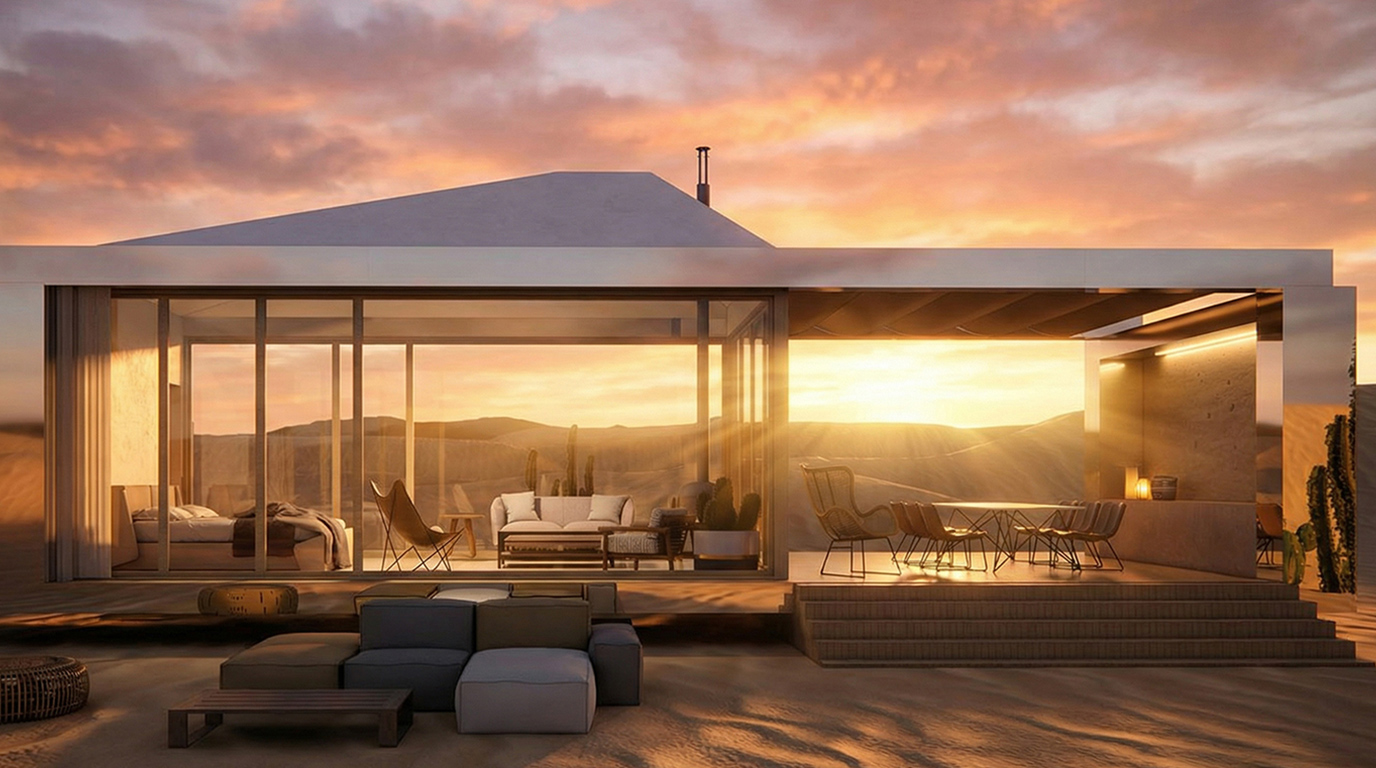
Lost in the Red Rock - DESERT HIDE-OUT – AL OLA – KSA
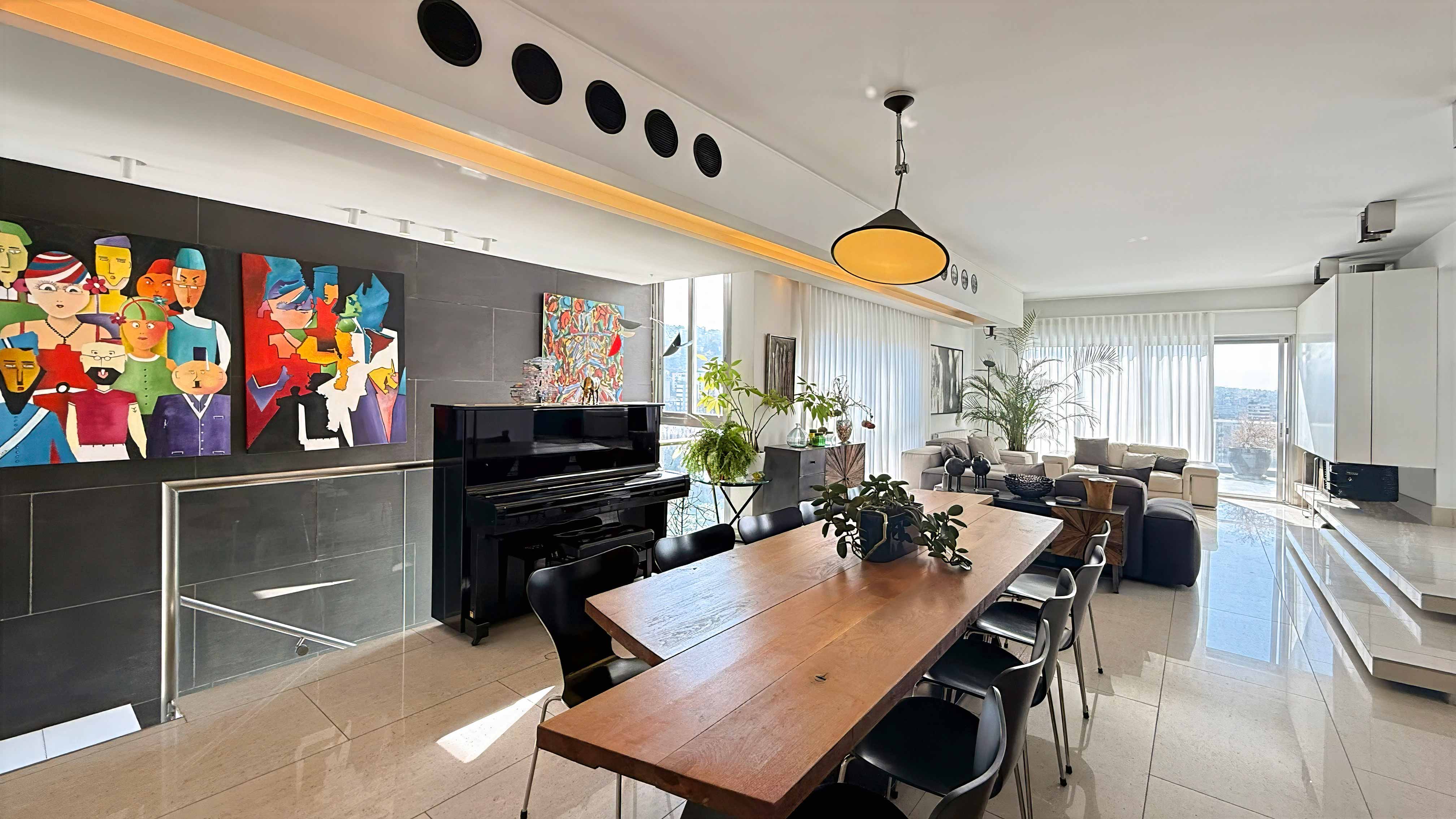
The Curated Home - A APARTMENT – ZALKA – LEBANON
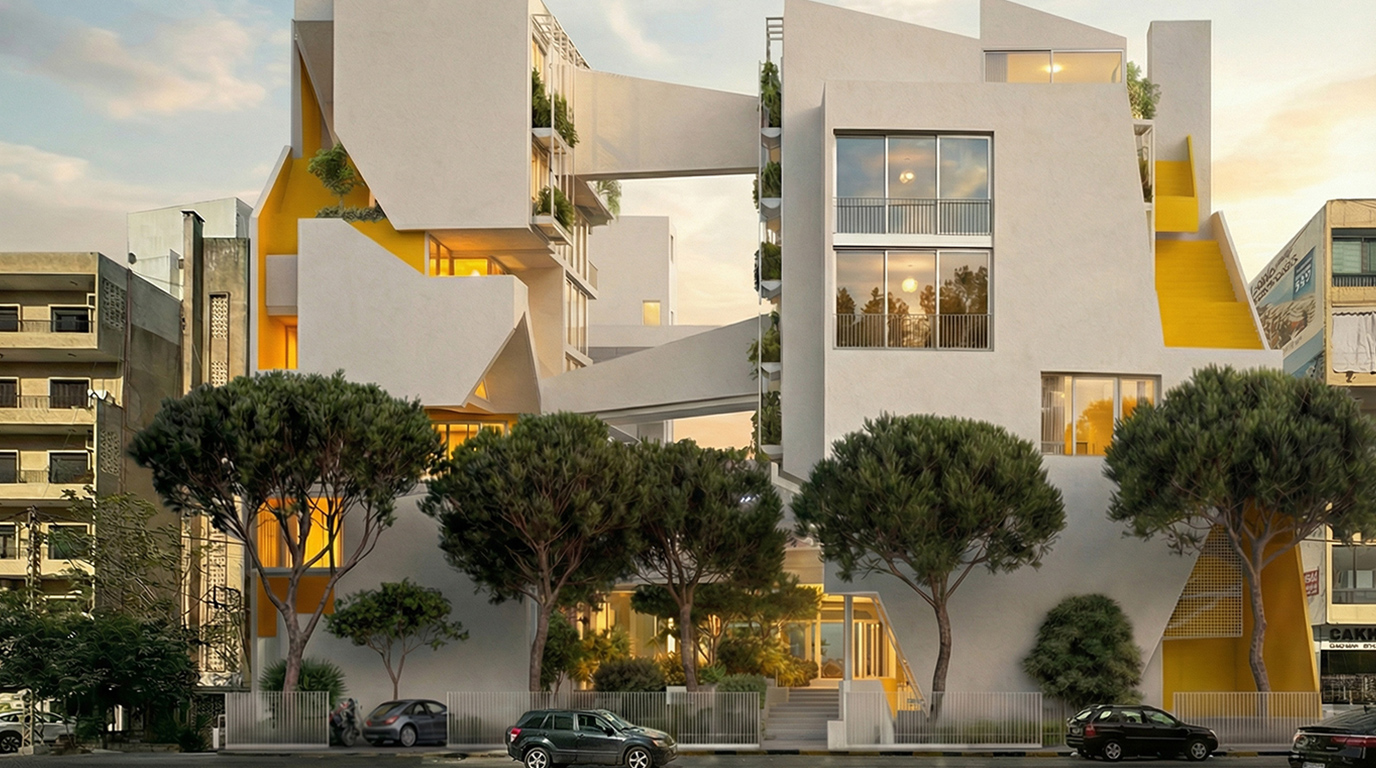
Knowledge Grows Outward - UOB DEK CAMPUS EXTENSION -DEKWANEH – LEBANON
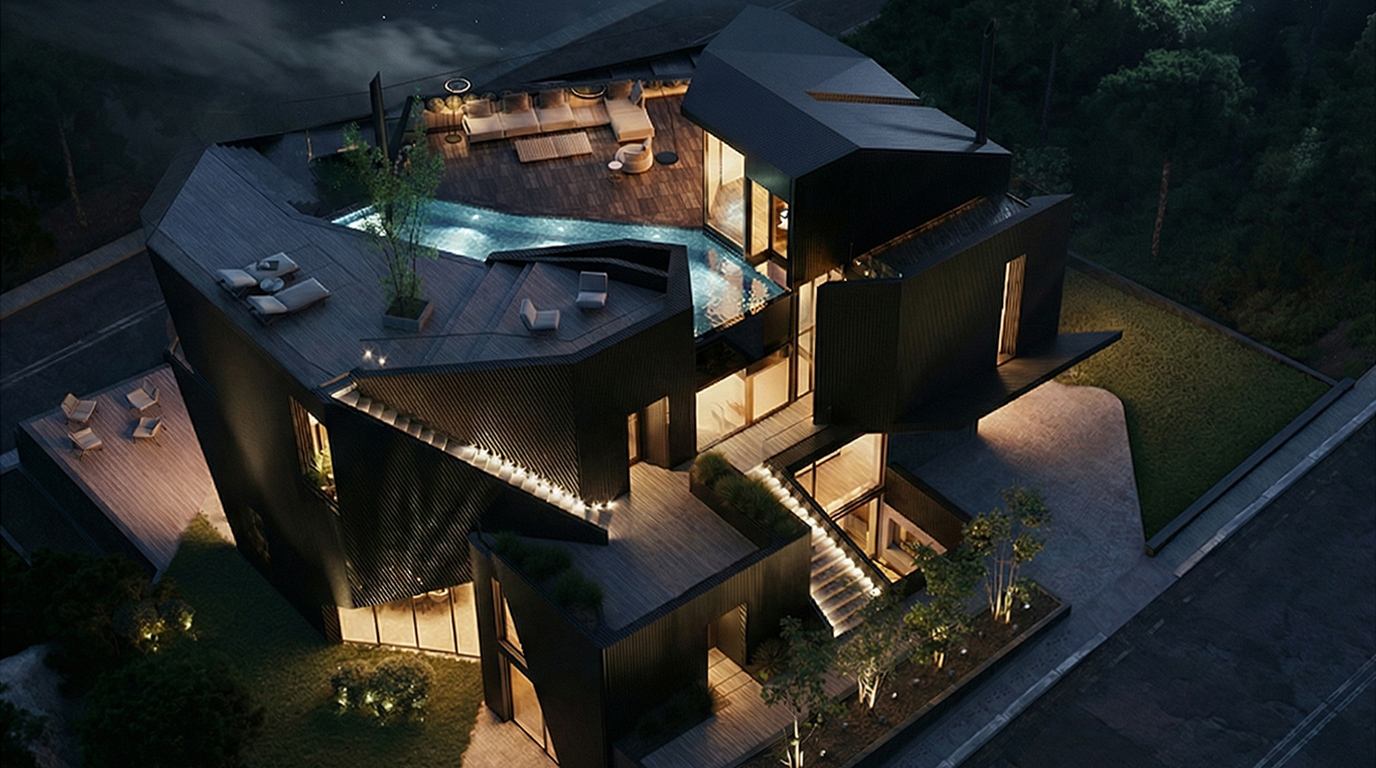
Between the Ridges - THE GUARDIAN - S VILLA – BYAKOUT – LEBANON
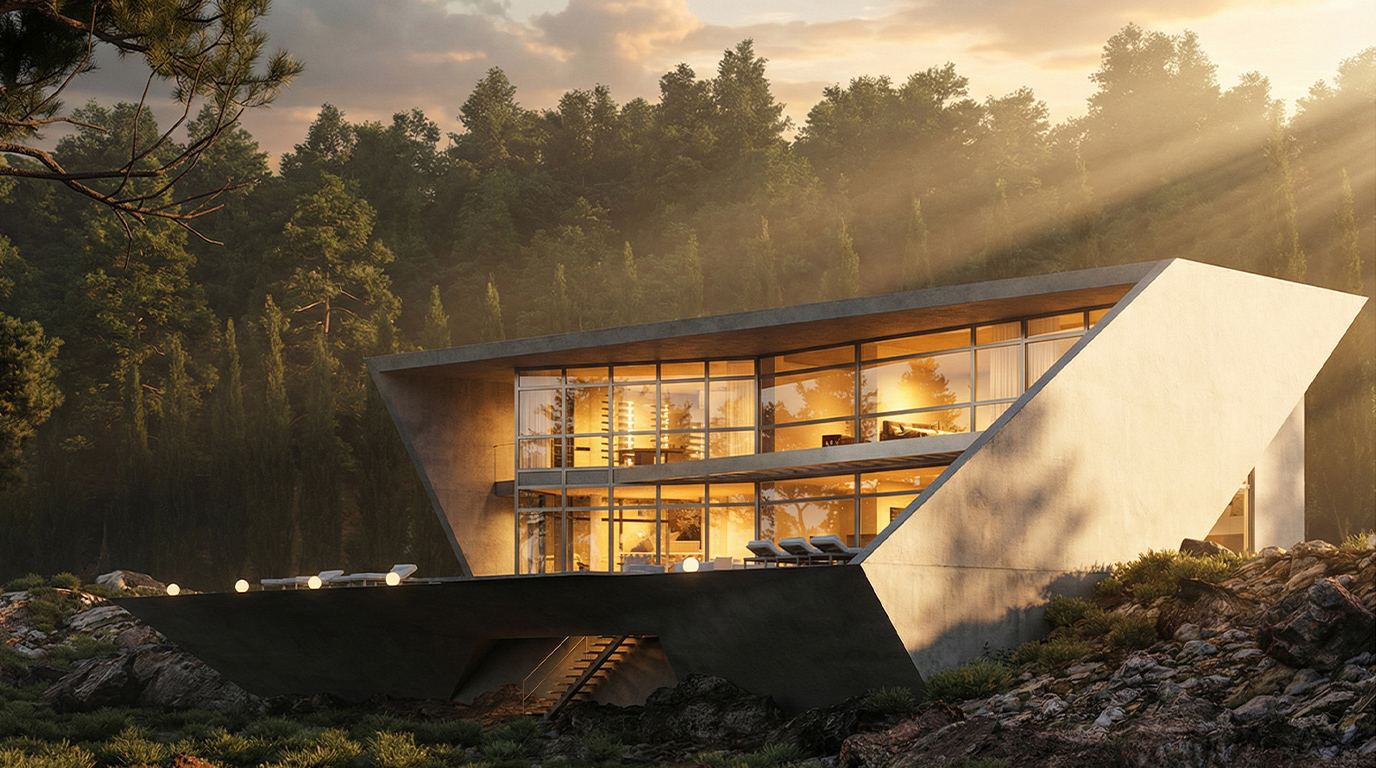
The Quiet Gesture - AI VILLA - SSHOUR - LEBANON
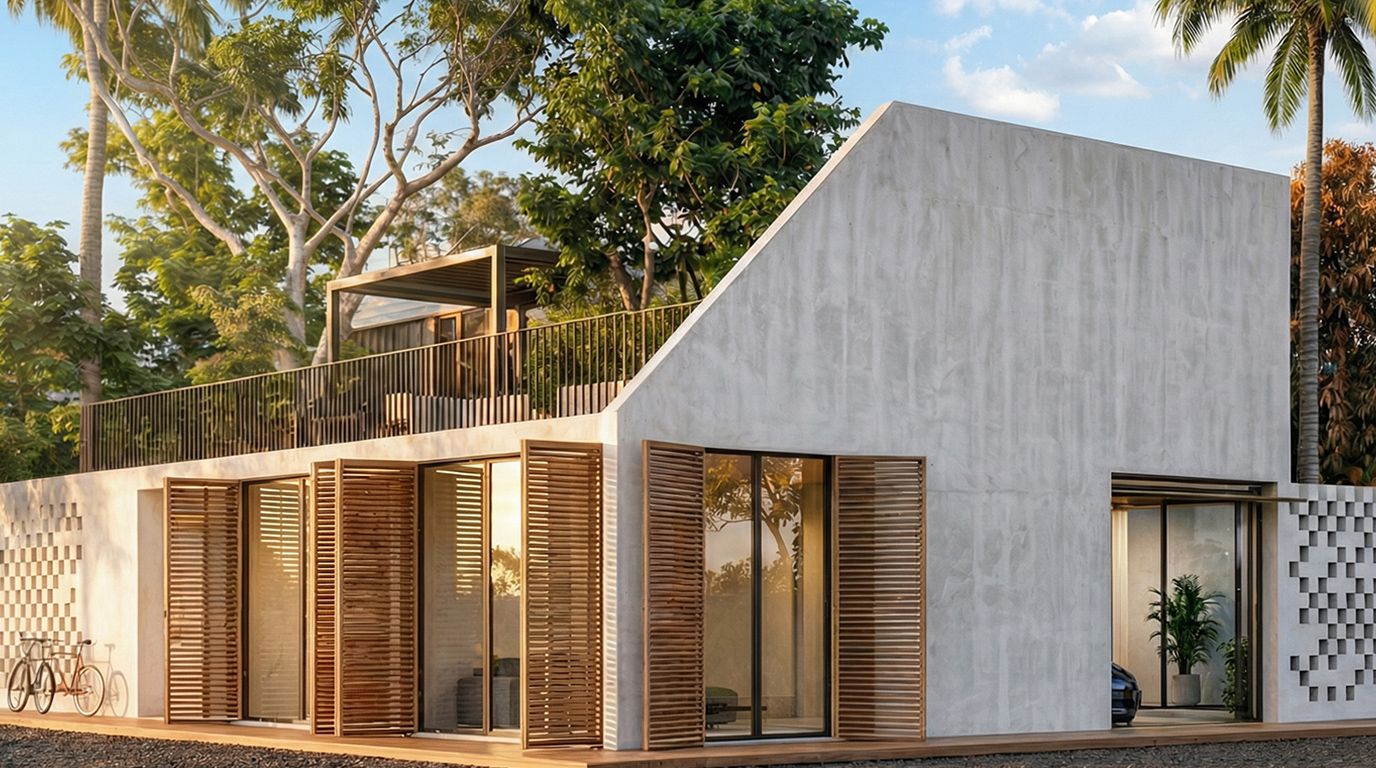
The Courtyard as Climate - PATIO HOUSE – SENEGAL
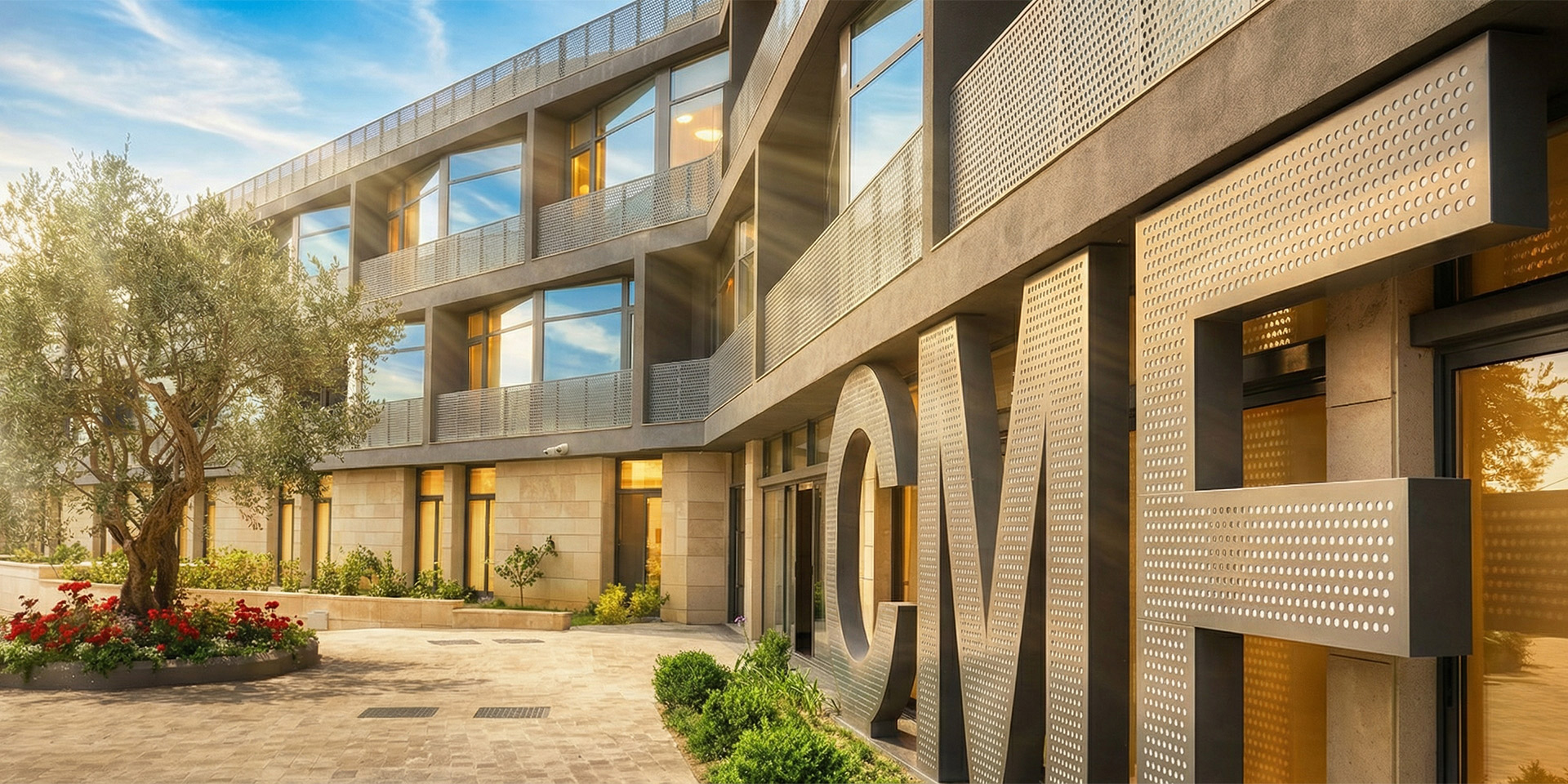
A Home for Learning - CMF STUDENTS’ HOUSE – DBAYEH – LEBANON
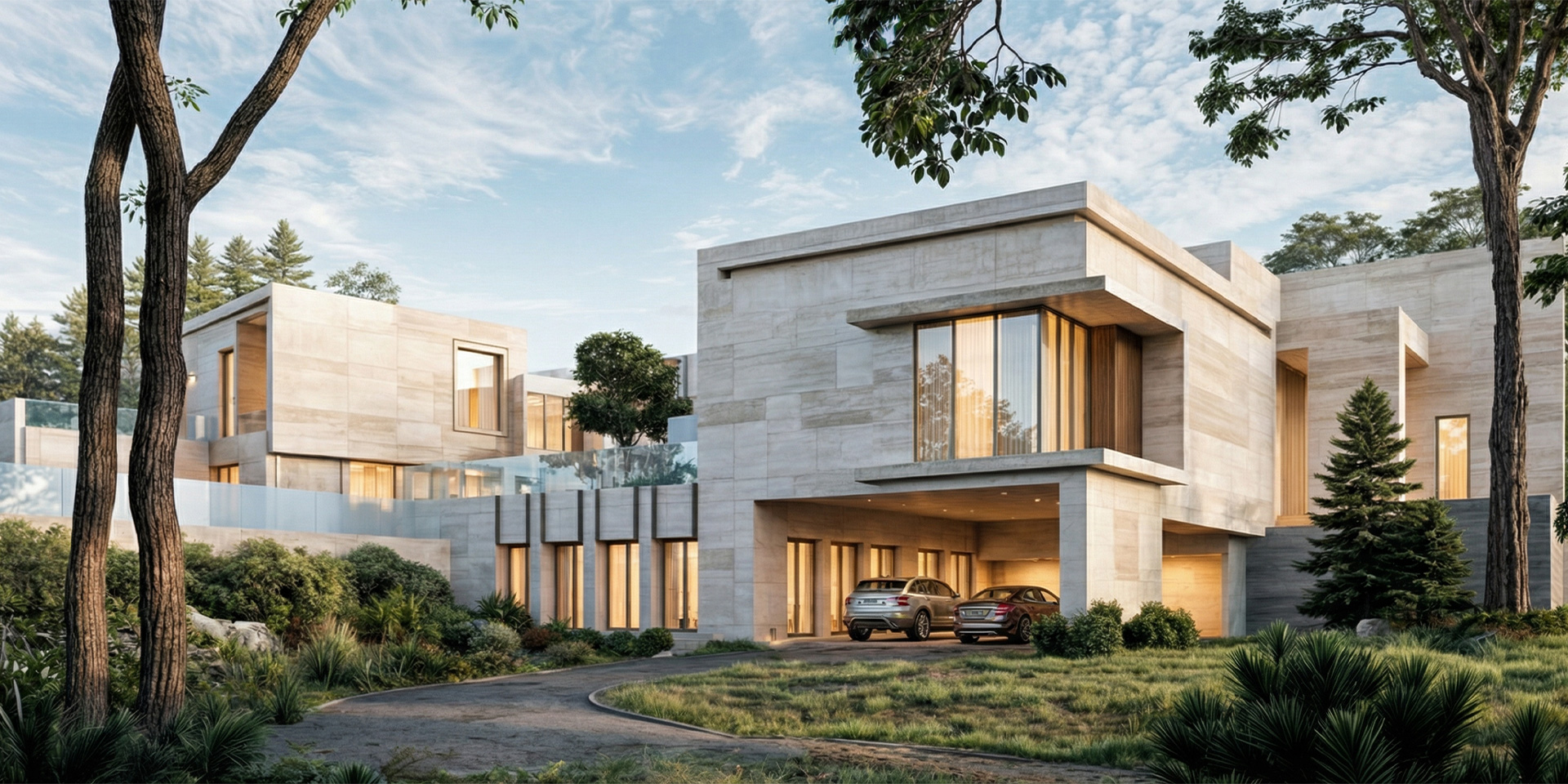
The Levantine Residence - KH VILLA – AMMAN – JORDAN
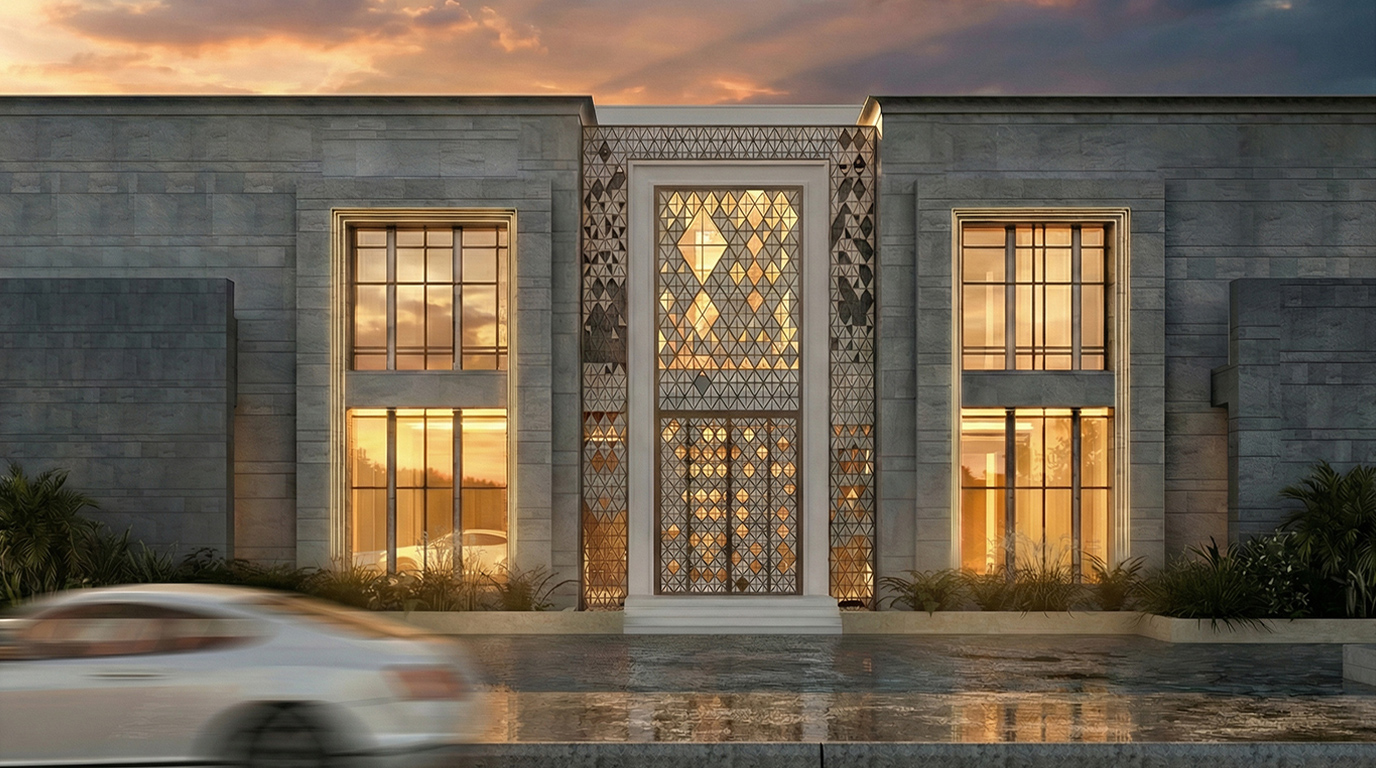
Order and Oasis - SM VILLA – DOHA – QATAR
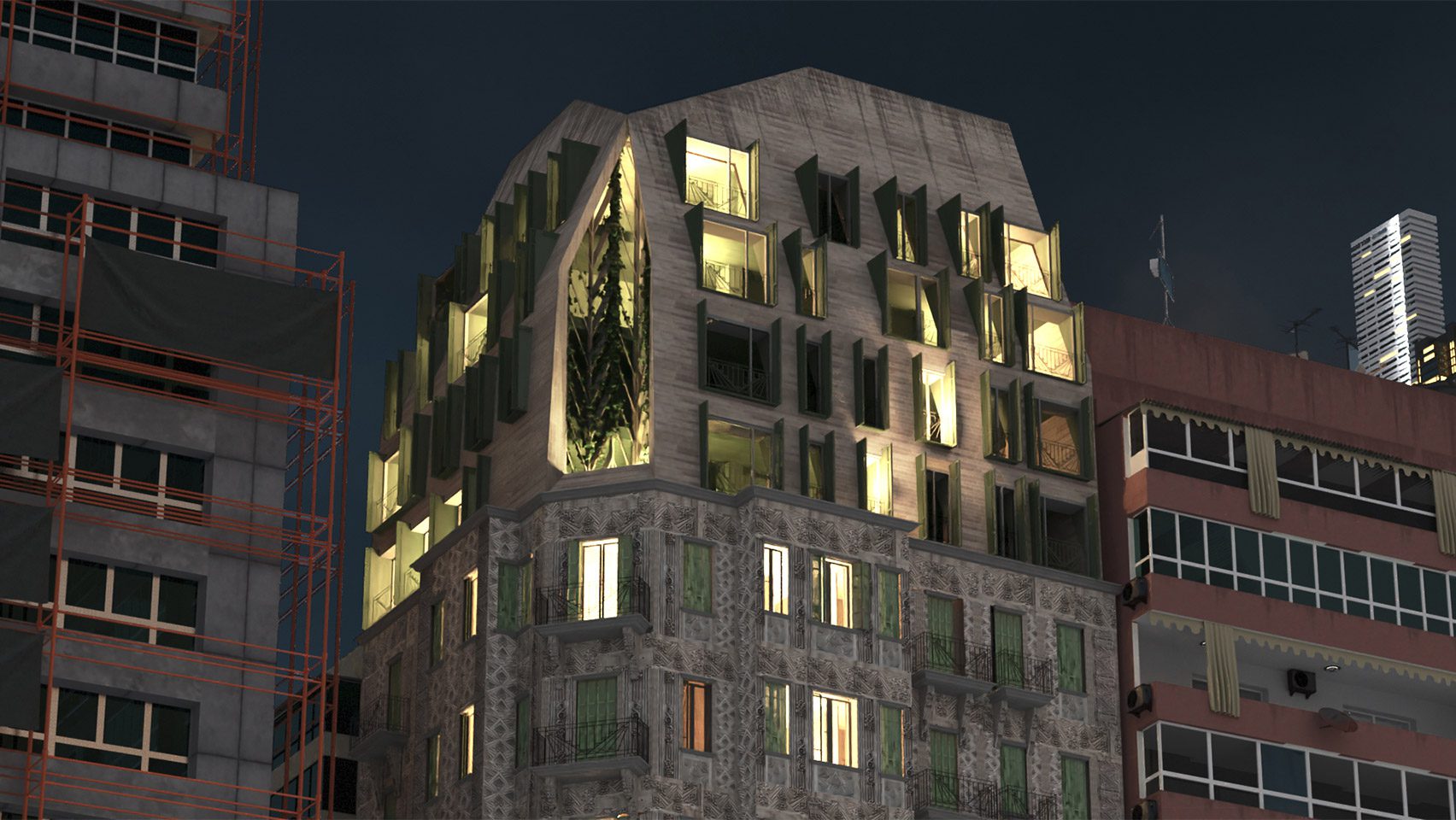
The Furnished Urban Modules - FURNISHED APARTMENTS - BACHOURA - BEIRUT - LEBANON
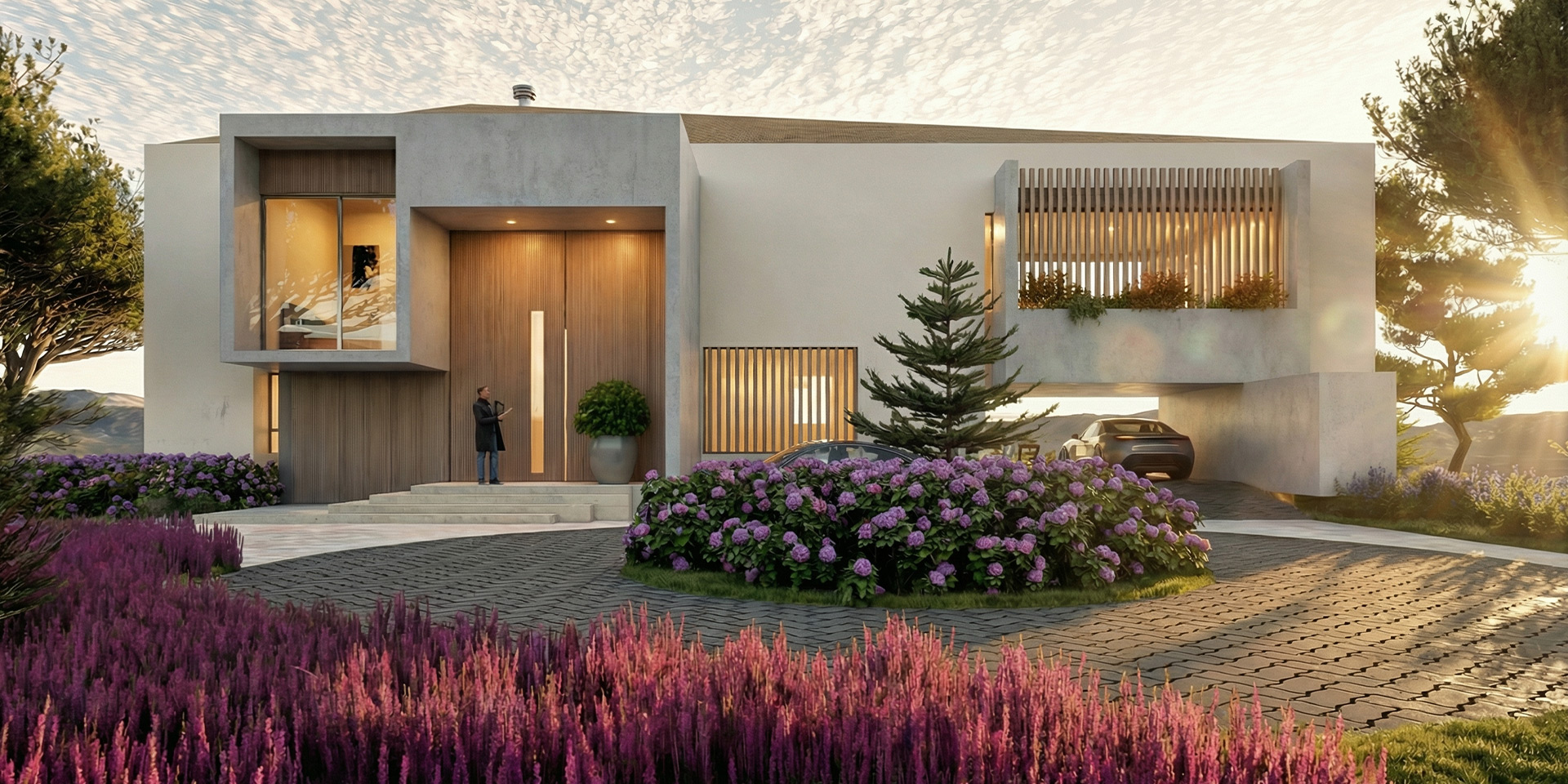
The Quiet Addition - AA ADDITION CHALET - ZAAROUR - LEBANON
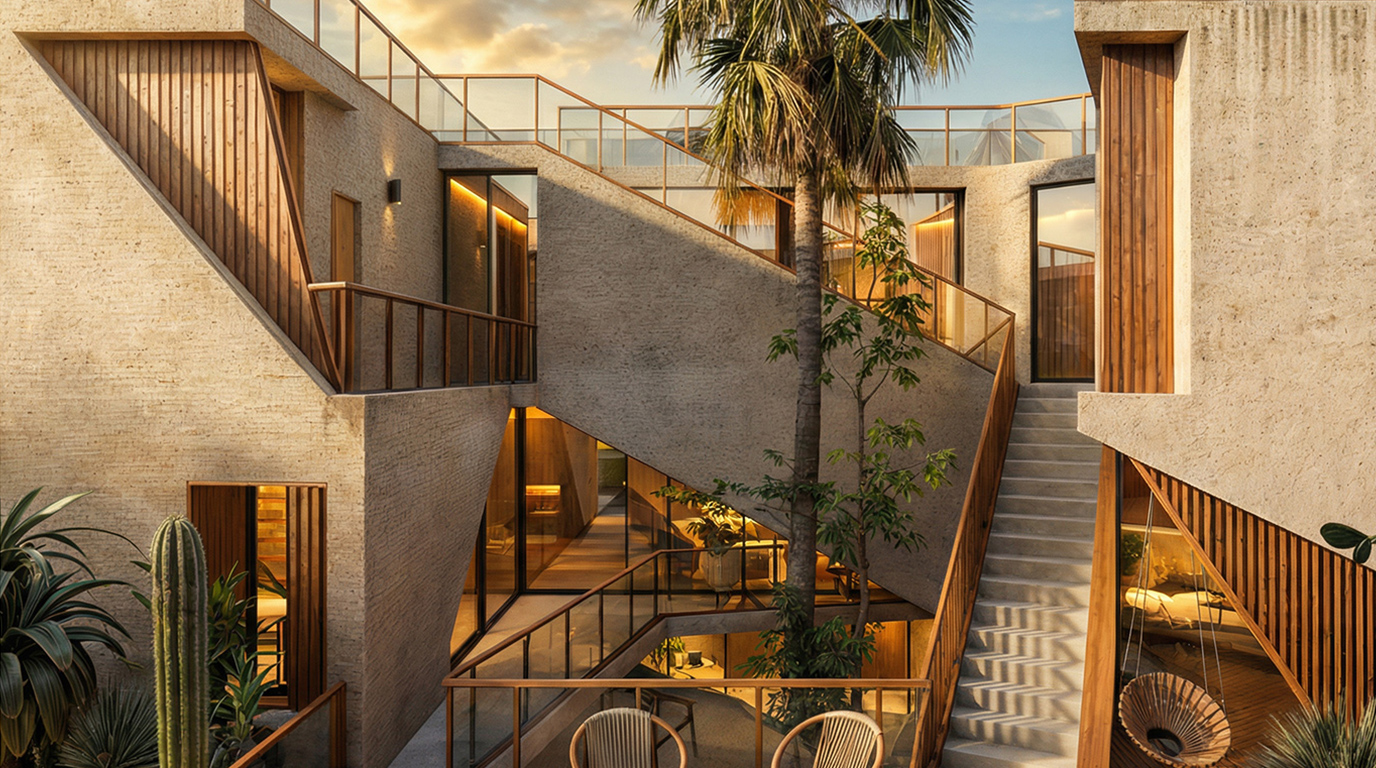
Tomorrow's Dwelling, Today's Question - HOUSE OF THE FUTURE – COMPETITION – DUBAI
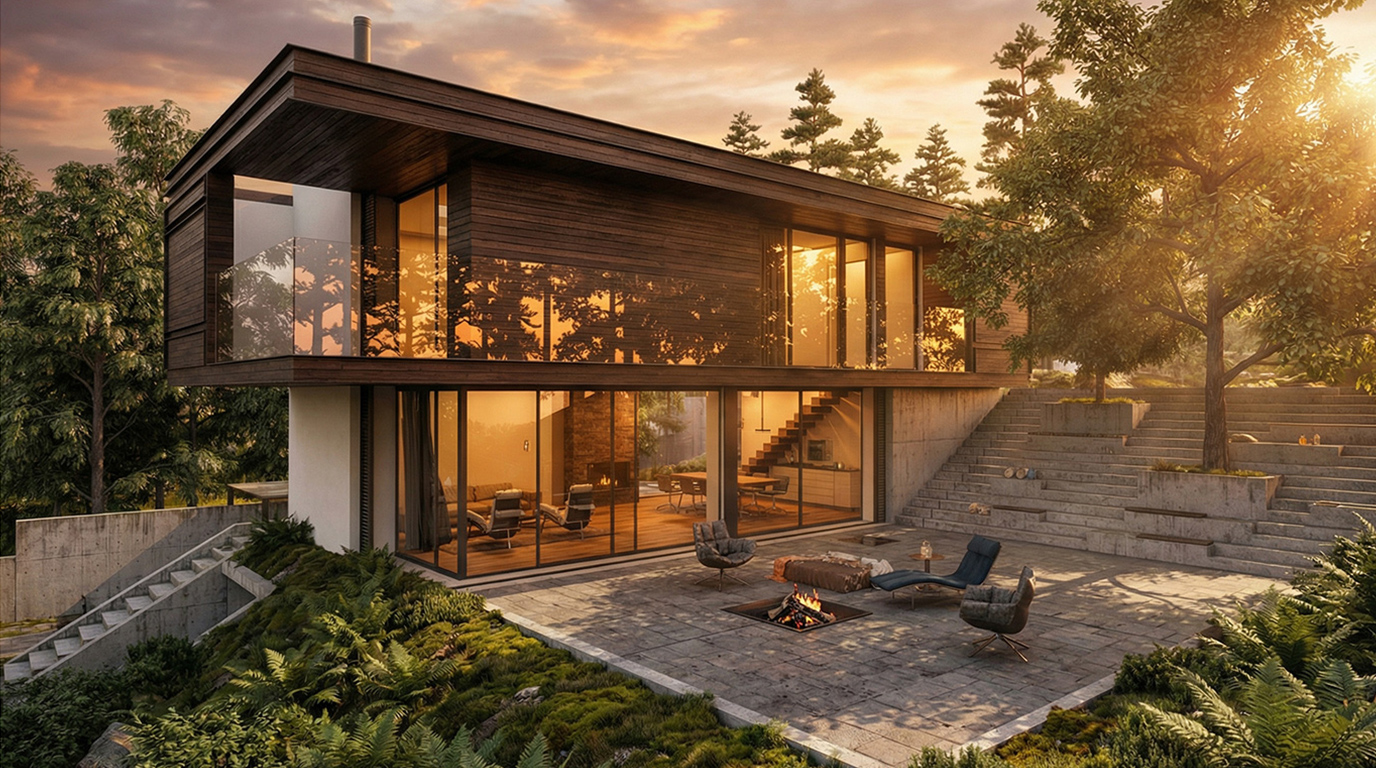
Alpine Clarity - AC CHALET - MROUJ - LEBANON
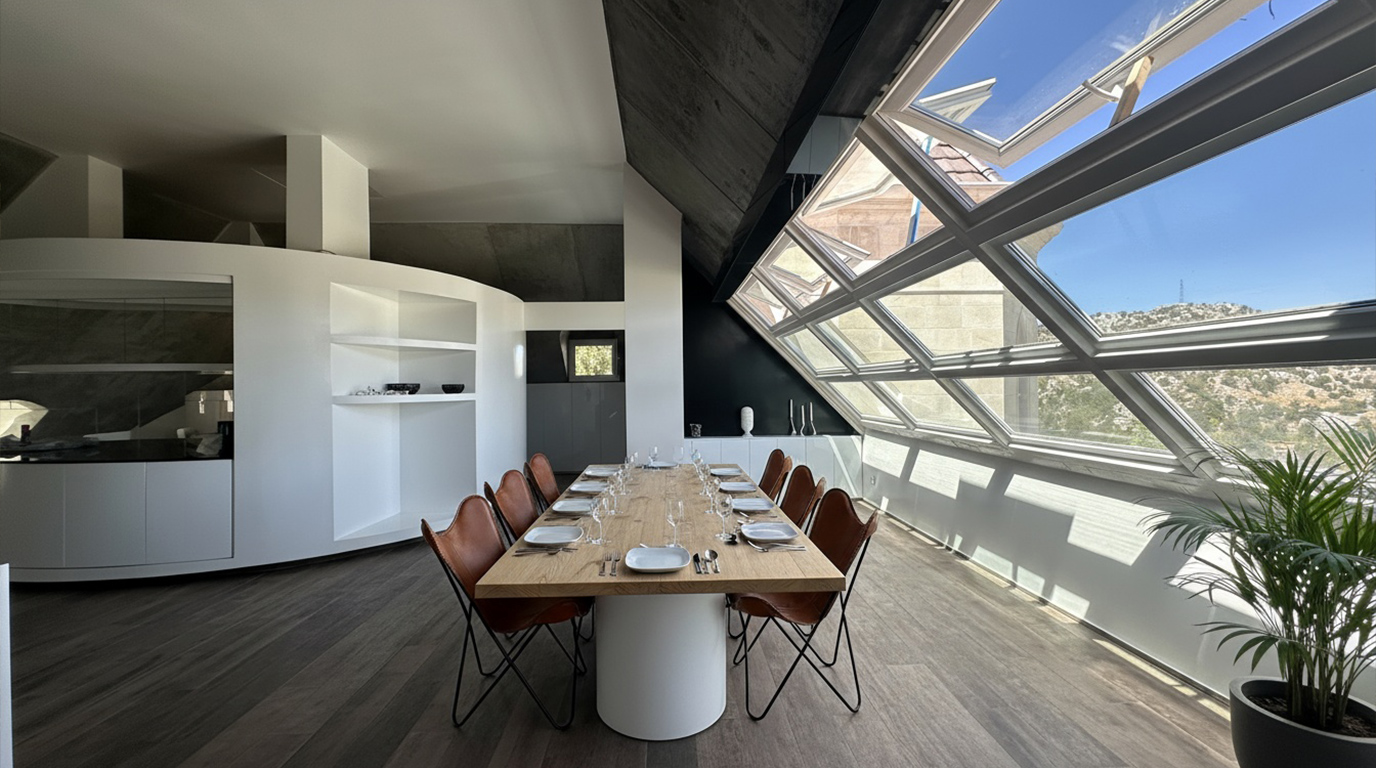
Above the City, Below the Sky - JL PENTHOUSE – WATA EL JOZ – LEBANON
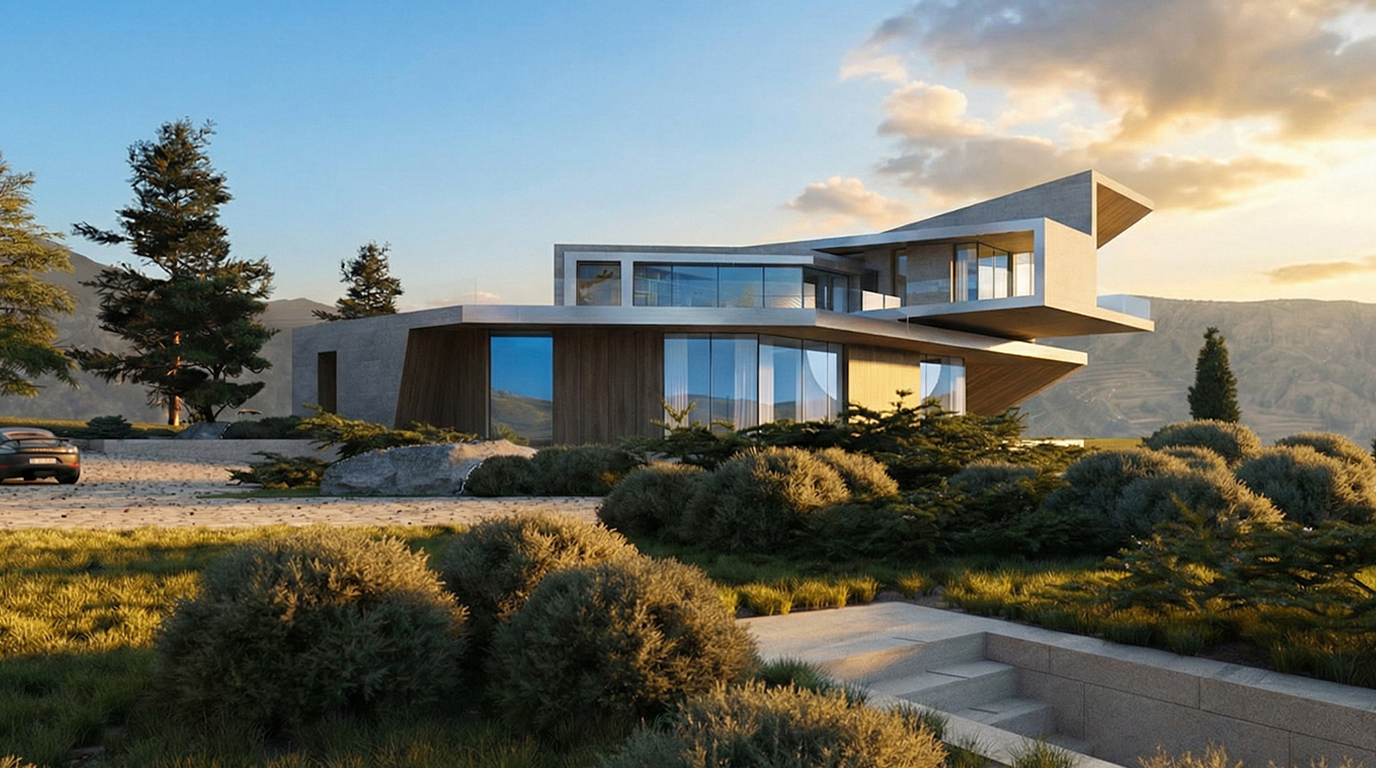
Snow and Stone - A2 RESIDENCE - ZAAROUR - LEBANON
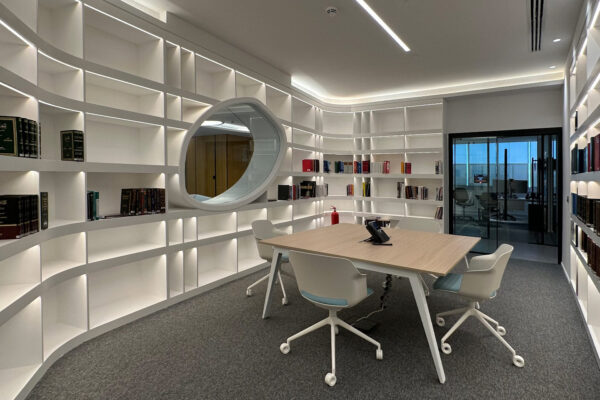
Authority in White and Wood - LAW FIRM RIYADH – KSA
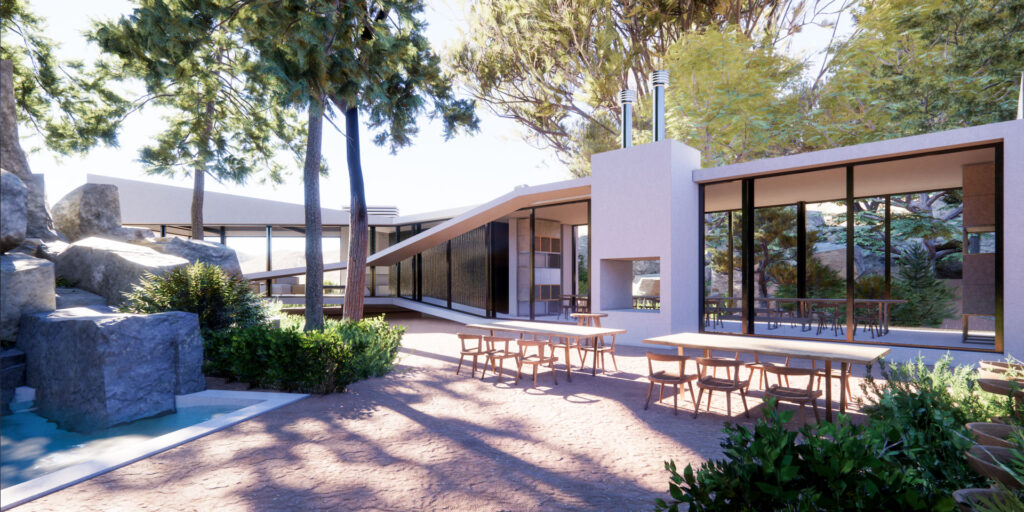
Rooted in the Riverbank - ZECOLODGE – ZABBOUGHA – LEBANON
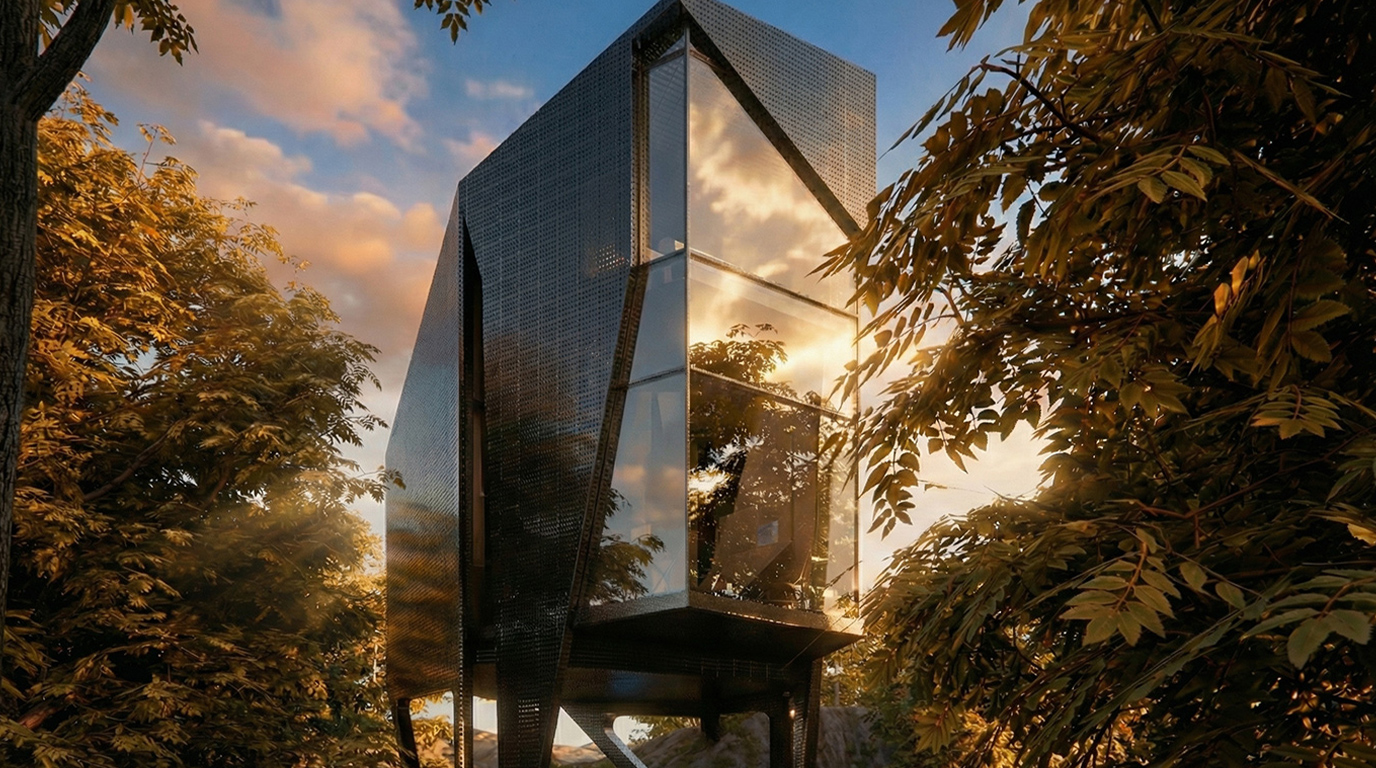
A Canopy Retreat - ABOVE THE TREES – ZABBOUGHA – LEBANON
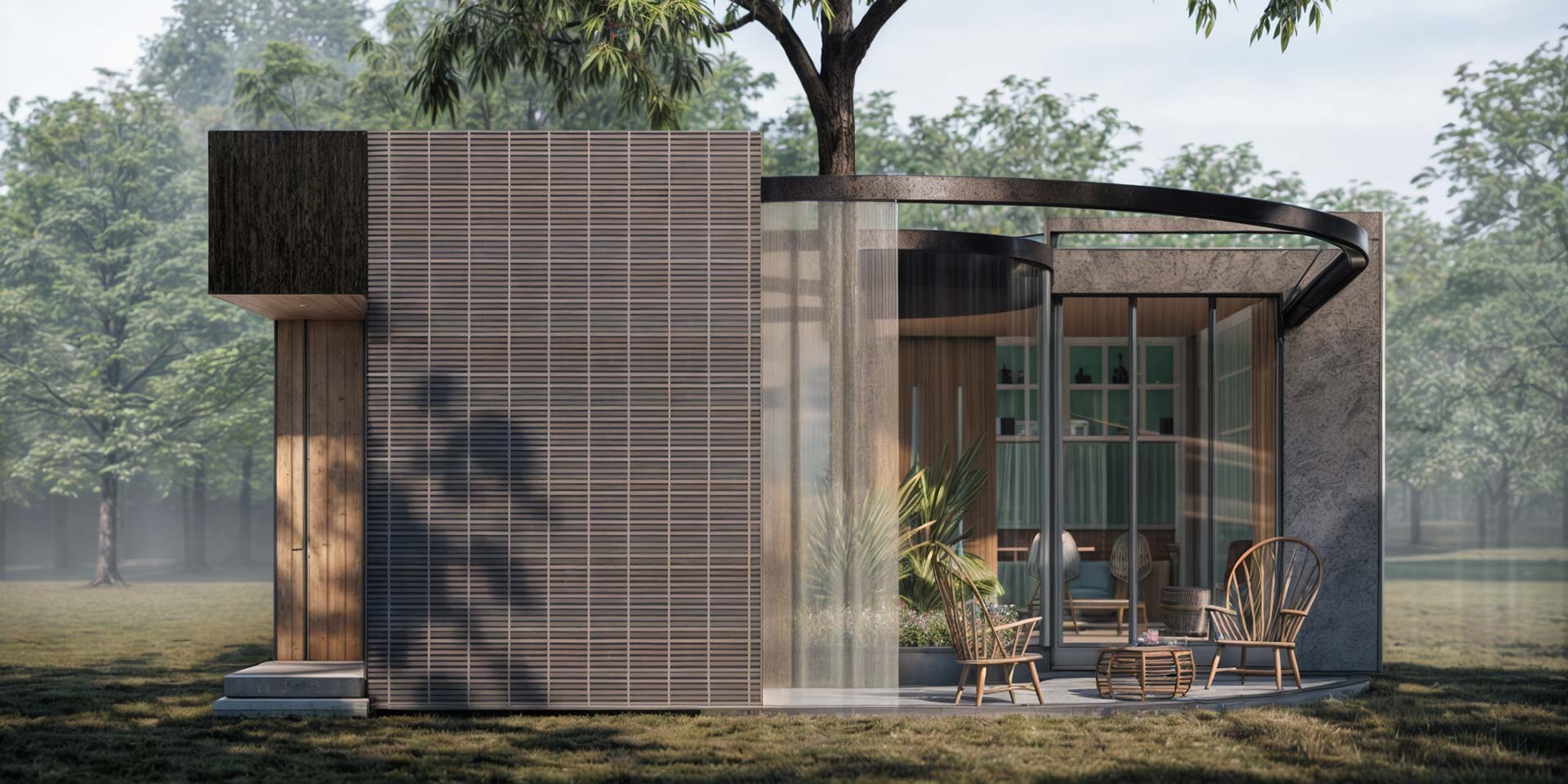
Less Space, More Life - MICROHOME COMPETITION – TINY HOUSES
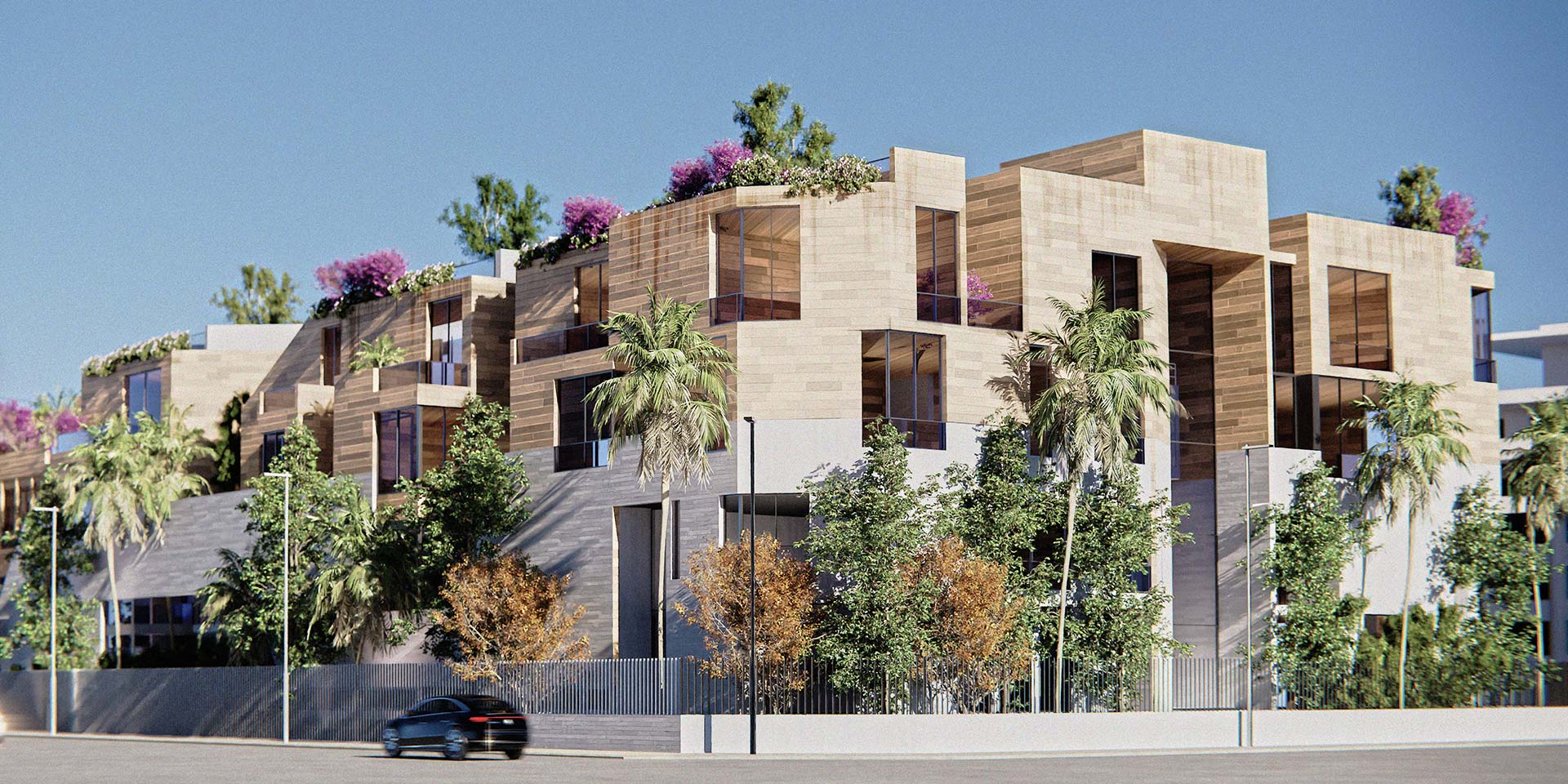
Work and Residence, Unified - H… HQ + VILLAS – JEDDAH – KSA
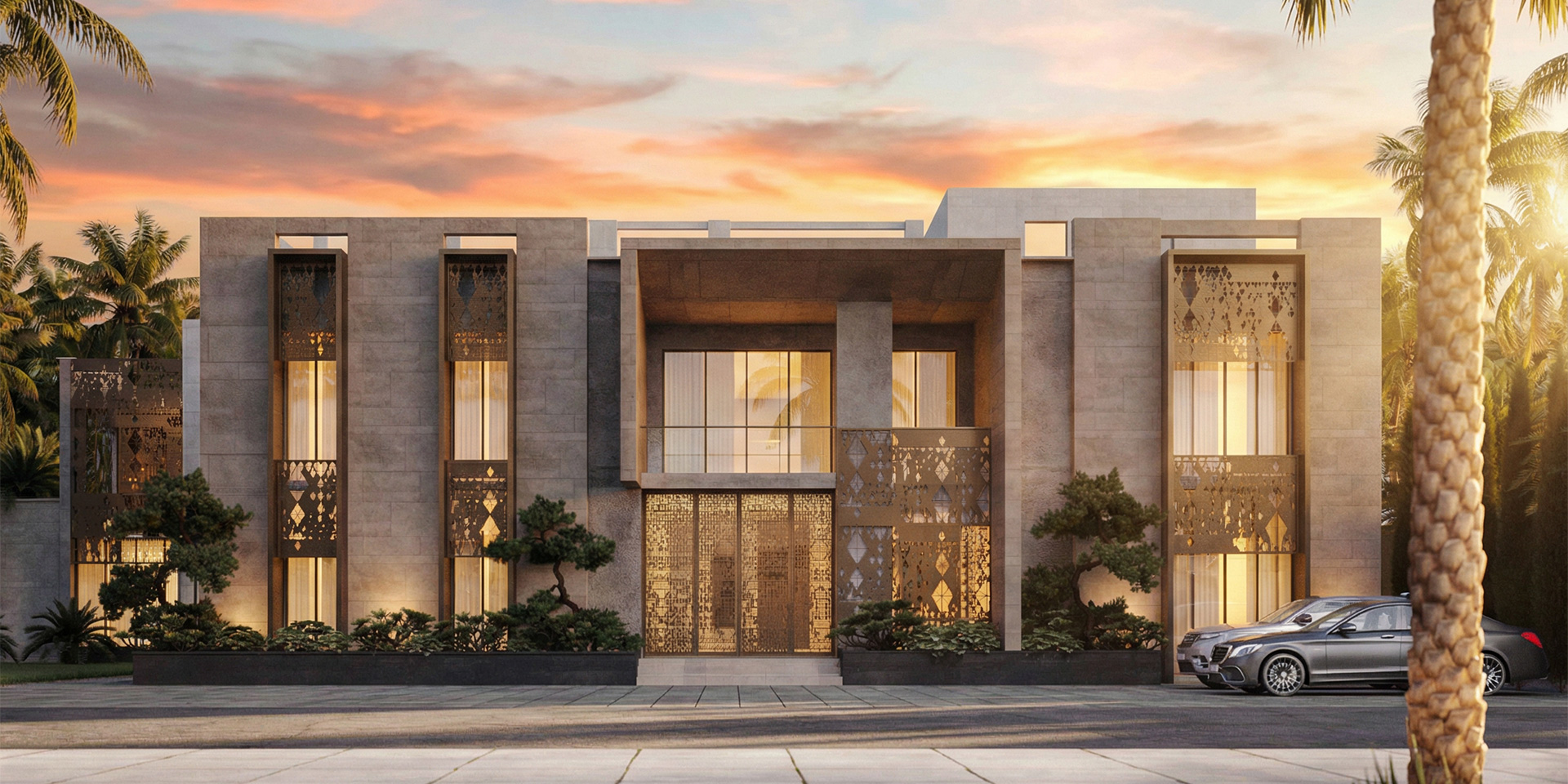
The Measured Villa - B VILLA – KHOBAR – KSA
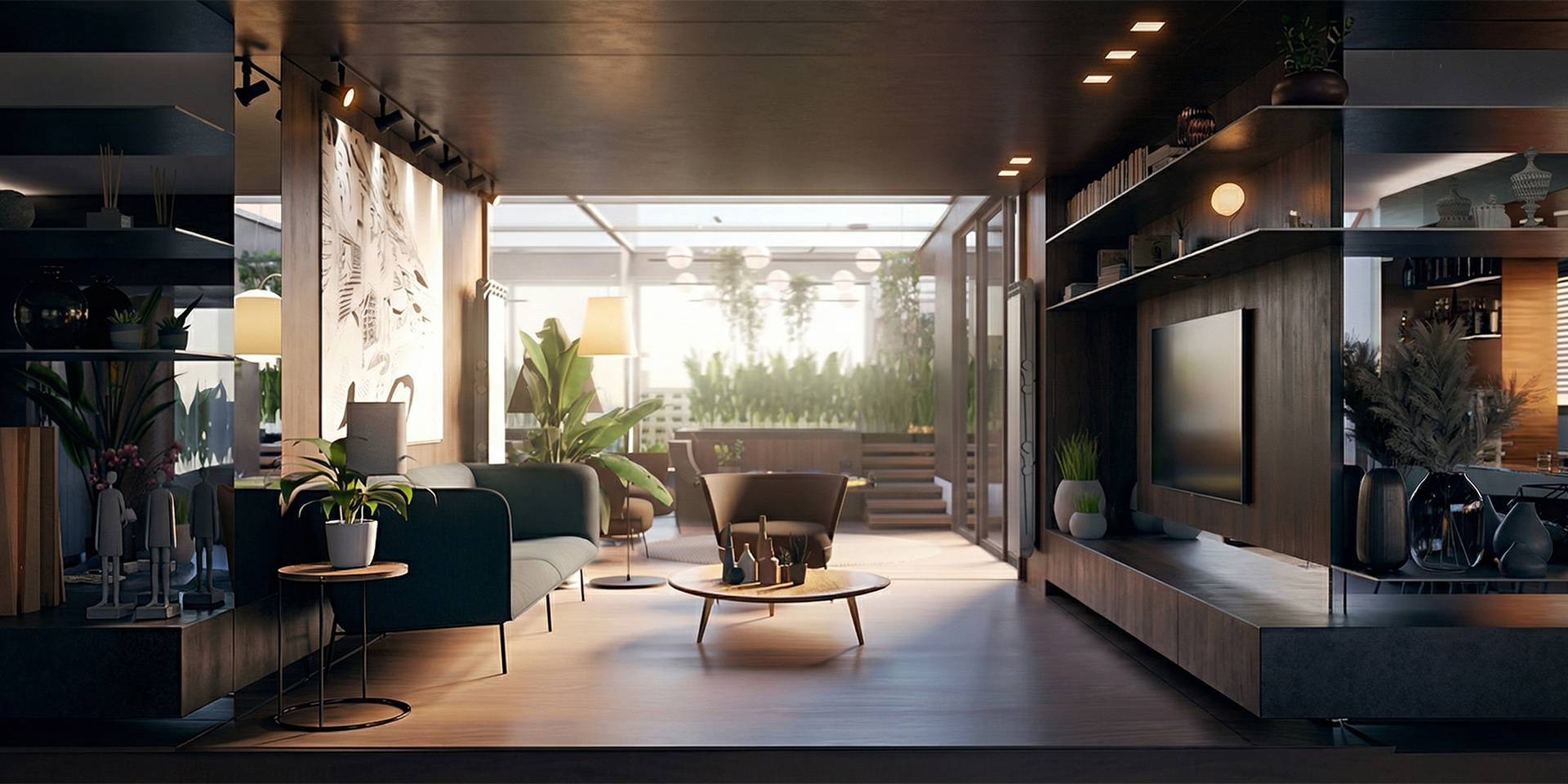
The Raw Interior - S.H. LOFT – BEIRUT – LEBANON
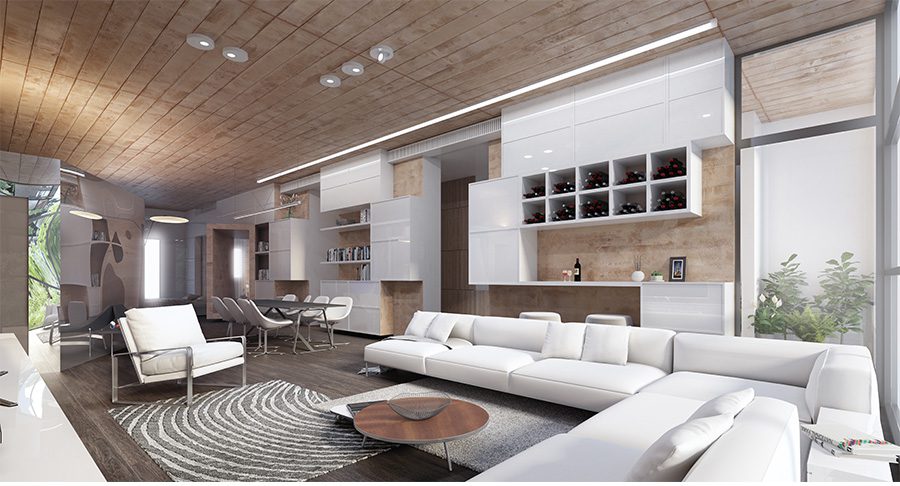
Industrial Light - S LOFT – UPARK – BEIRUT – LEBANON
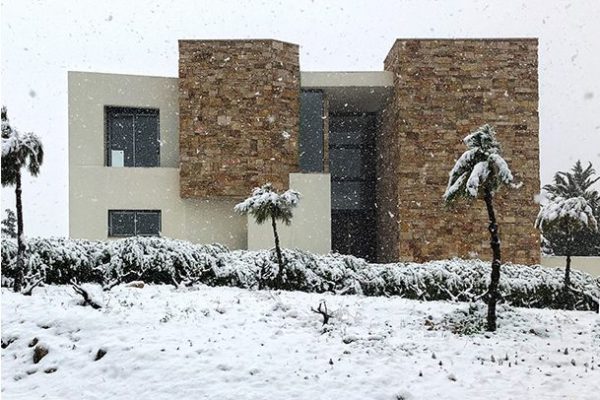
House in the Open Plain - H VILLA – MACHGHARA – LEBANON
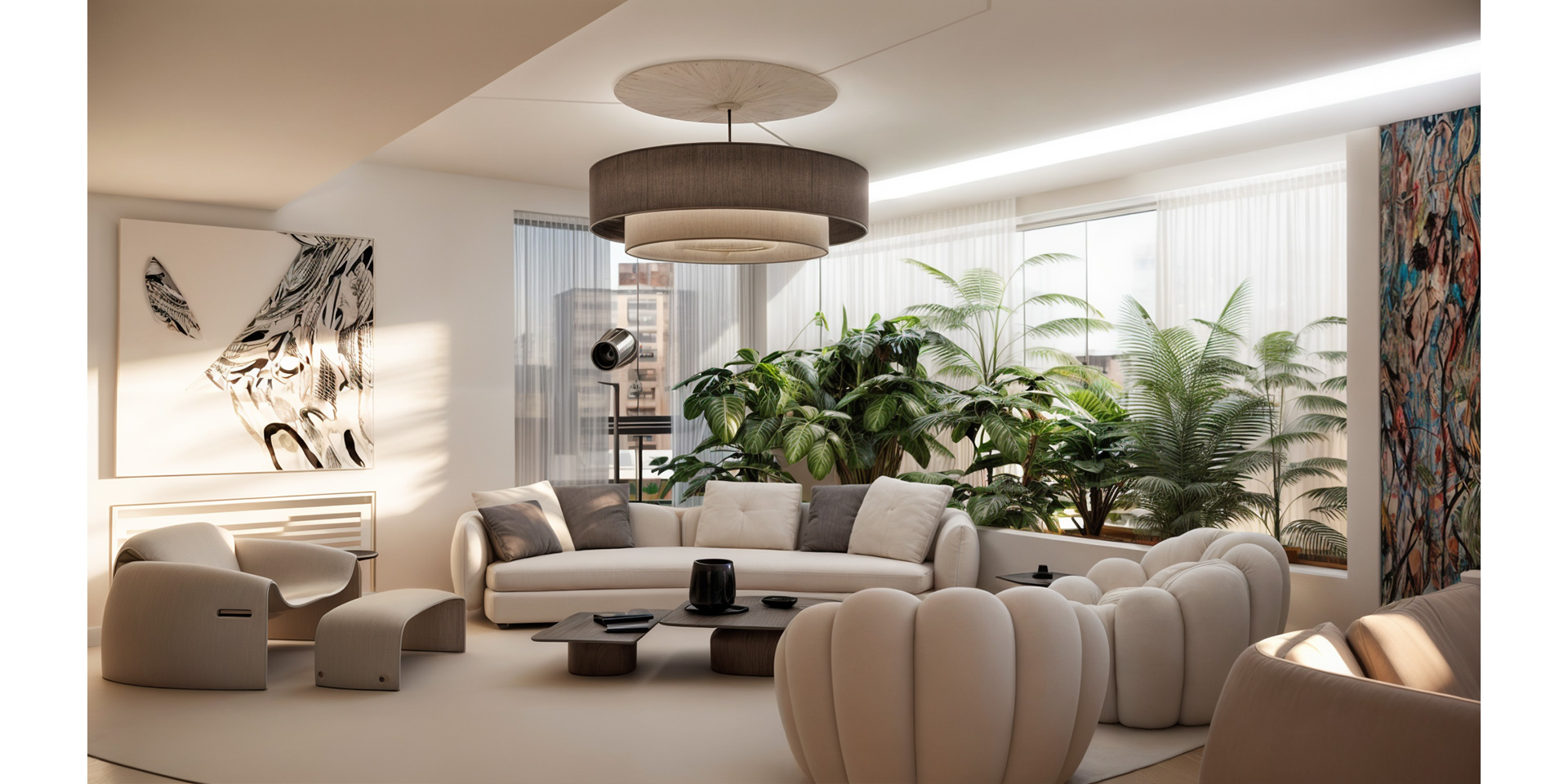
The Ashrafiyeh Interior - NT APART - ASHRAFIYE - BEIRUT – LEBANON
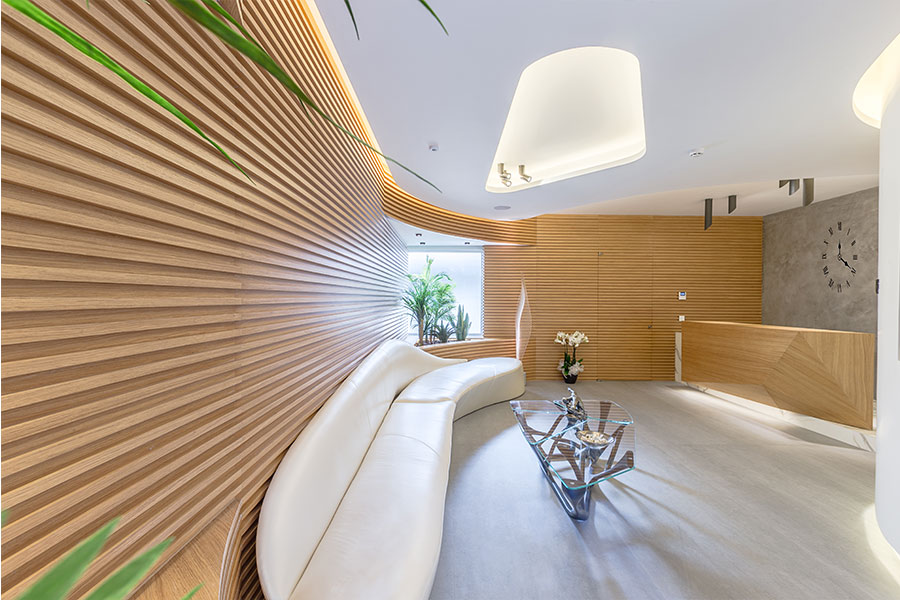
A Human Scale Medical Hub - DRL POLYCLINIC BEIRUT – LEBANON
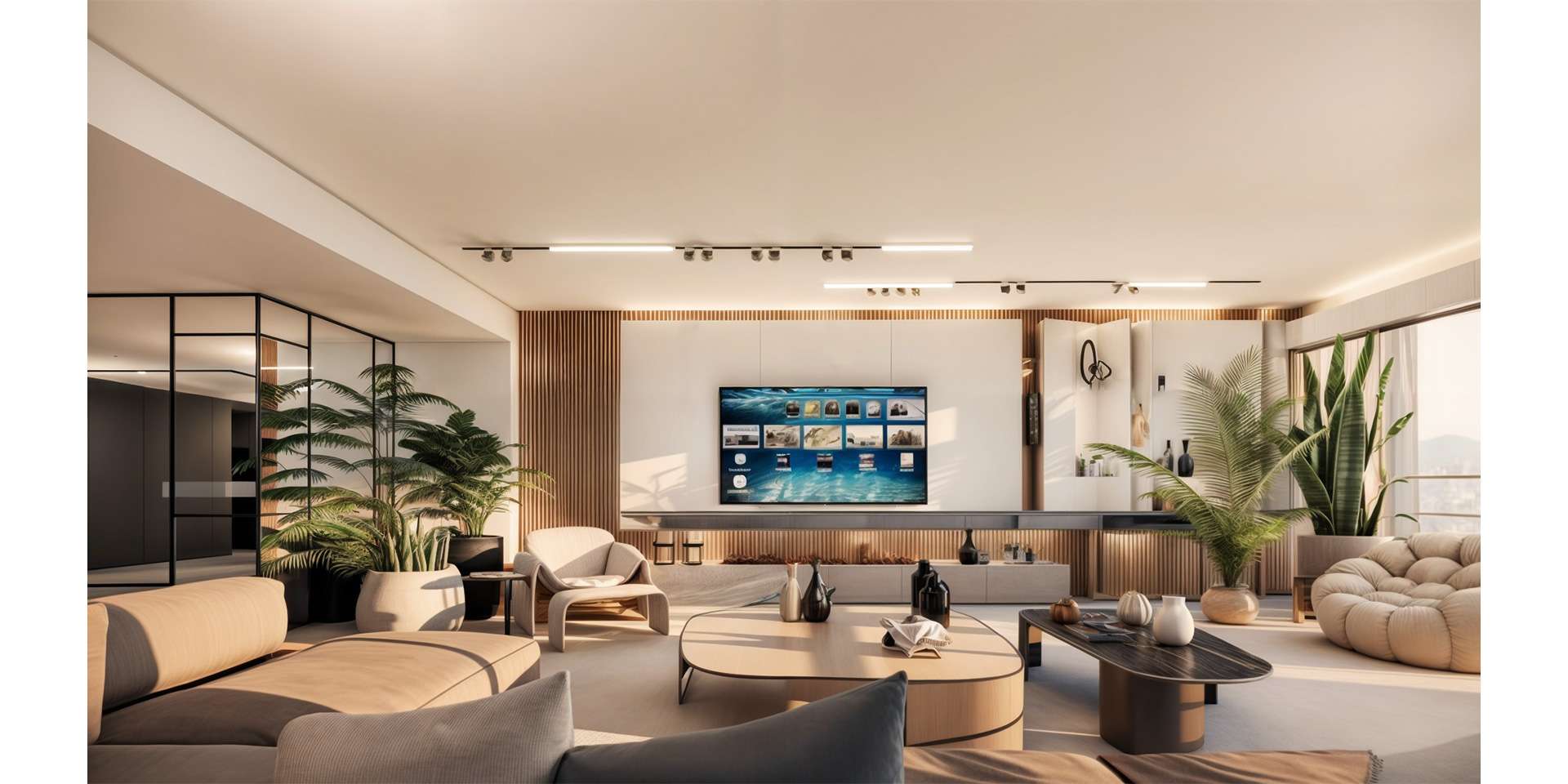
By the Sea Shore - FA APARTMENT- SAHEL ALMA - LEBANON
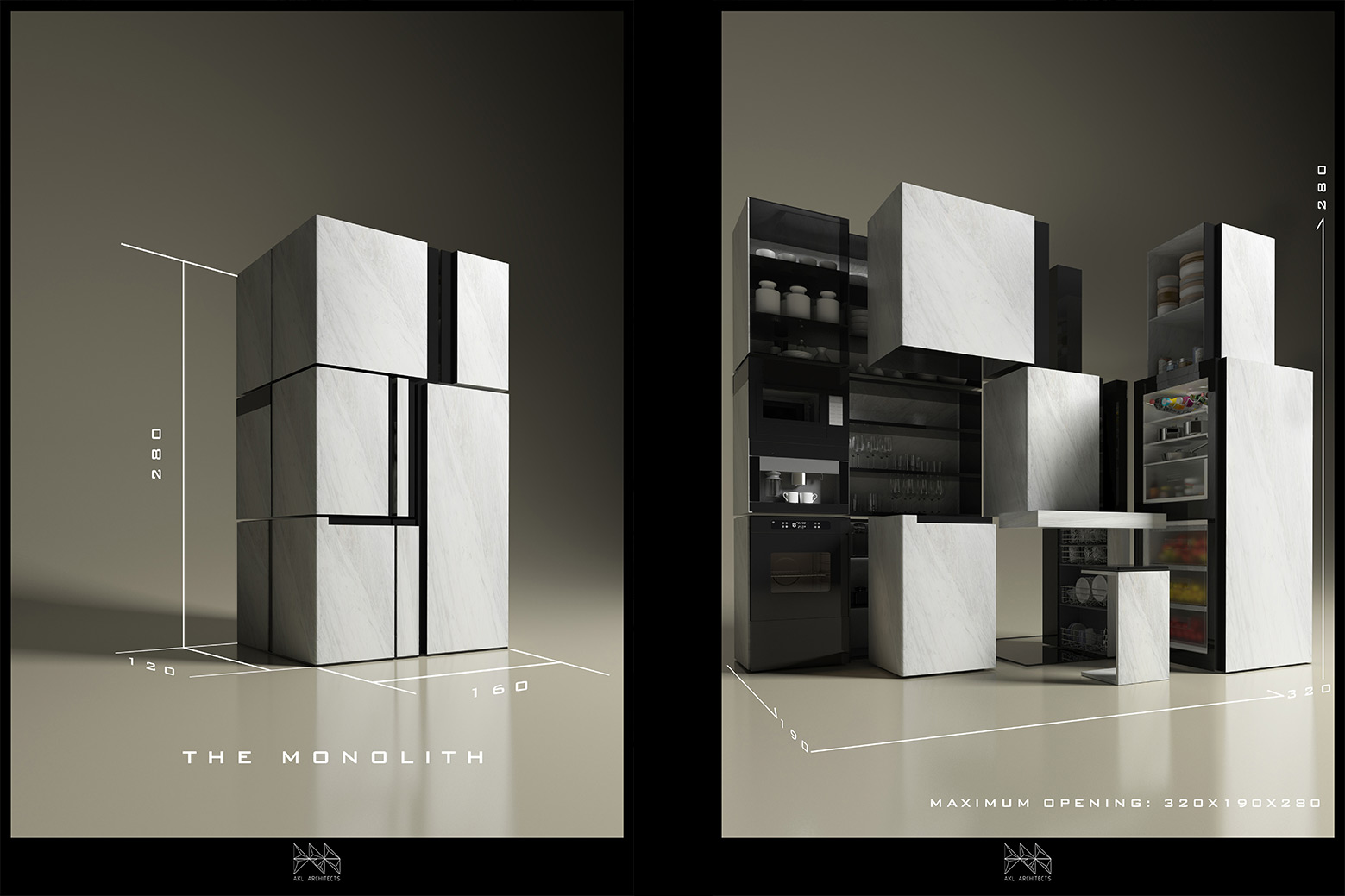
The Kitchen as Architecture - MEKER DESIGN KITCHEN COMPETITION – BEIRUT – LEBANON
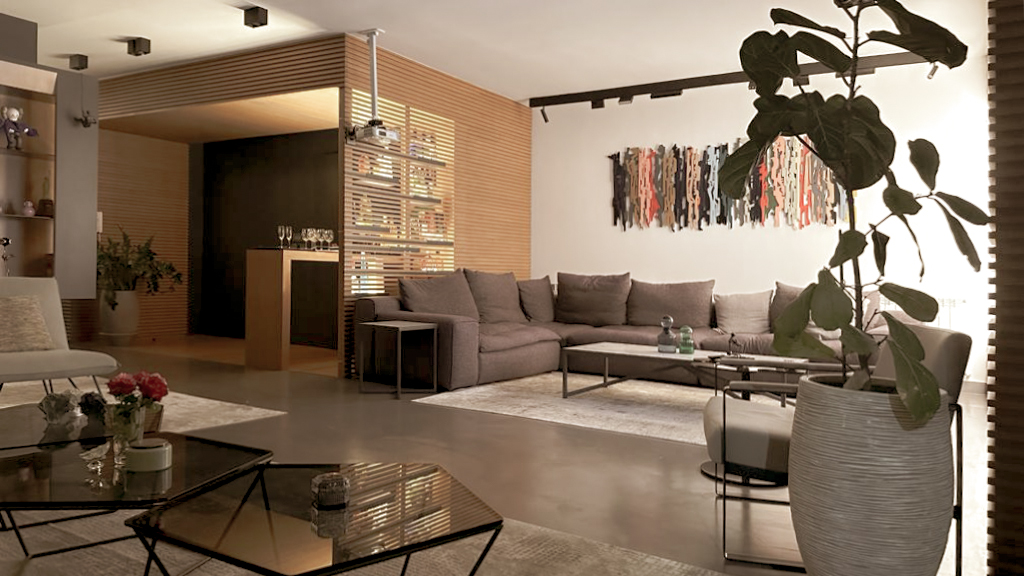
The Suburban Living - CA APARTMENT- AIN SAADE – LEBANON
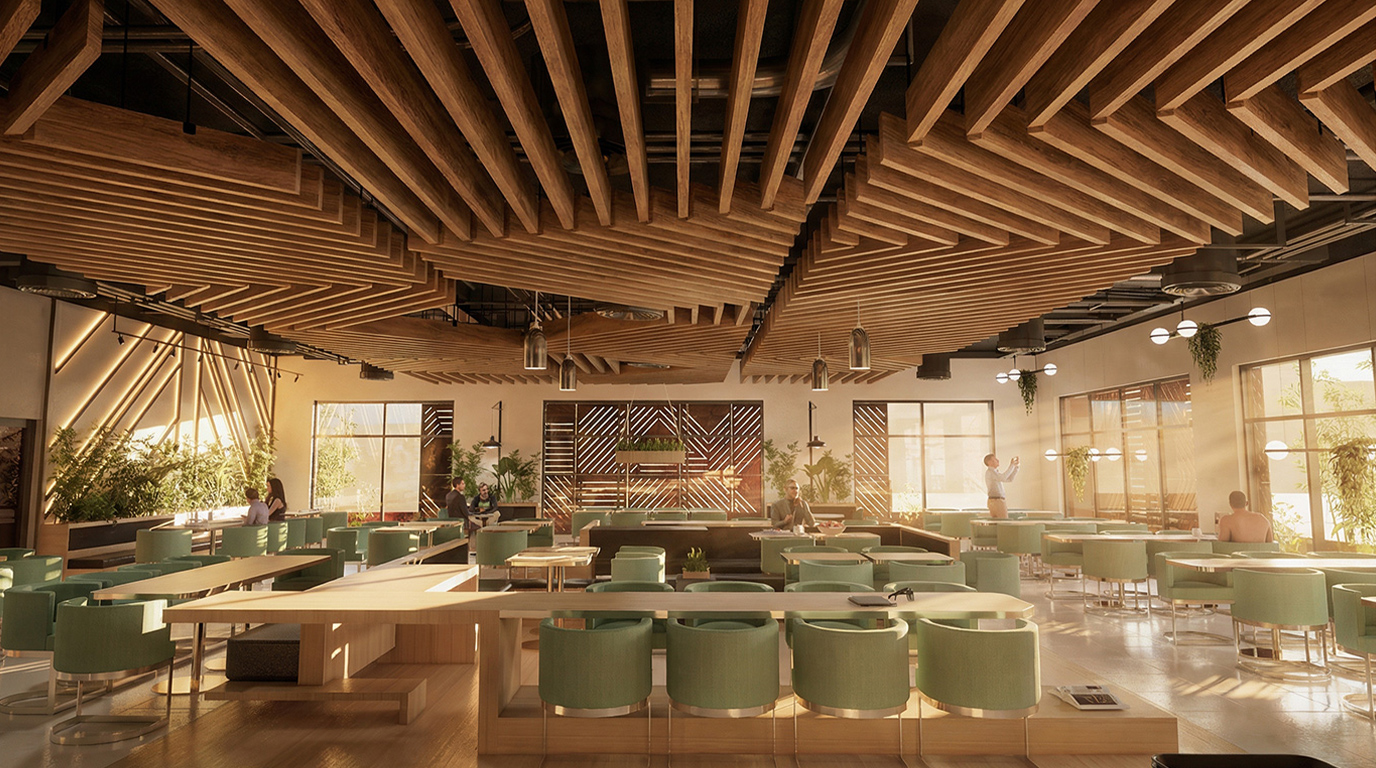
Gathering at Scale - ARAMCO DINING HALL – KSA
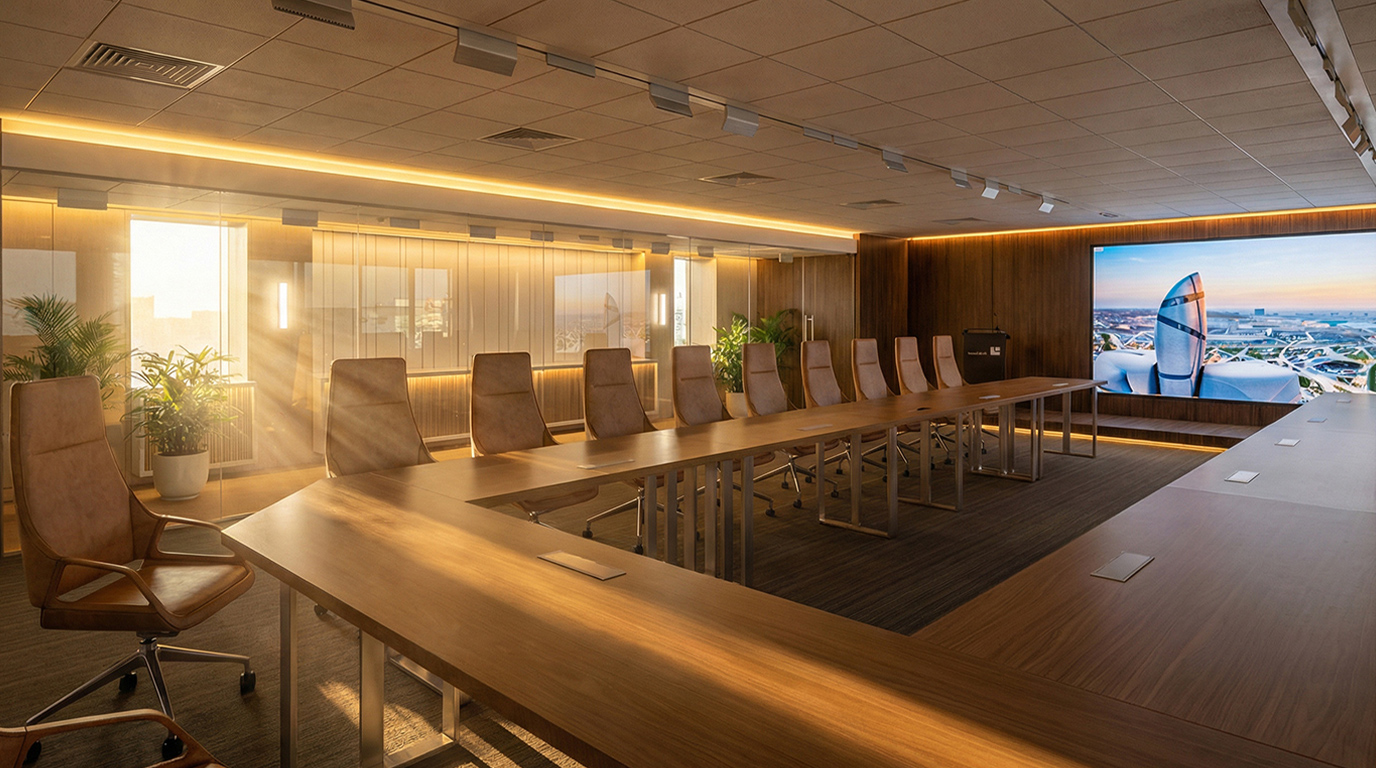
The Room Where Decisions Land - ARAMCO MEETING ROOM – KSA
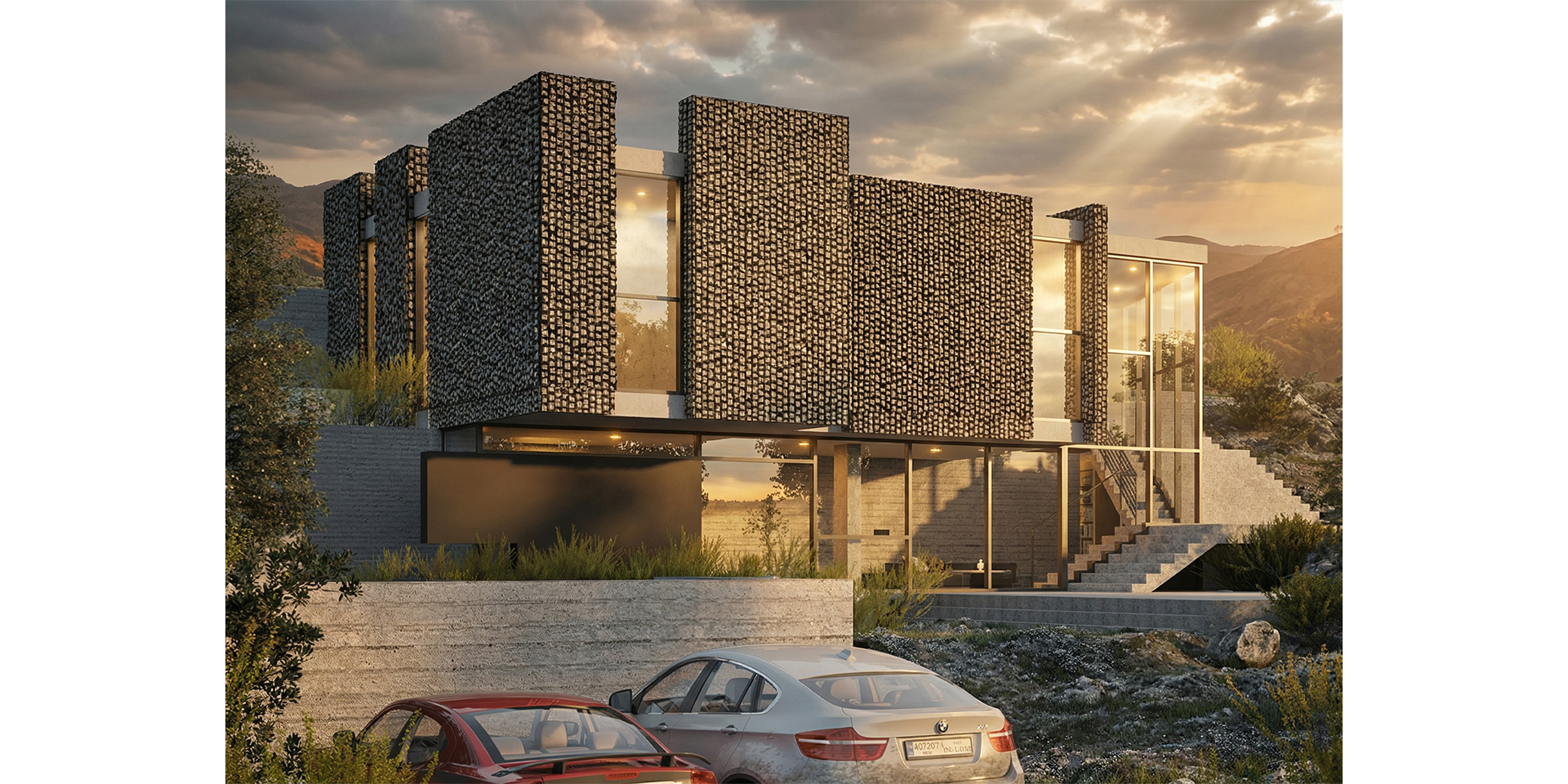
The High Refuge - AC MOUNTAIN CHALET – MROUJ – LEBANON
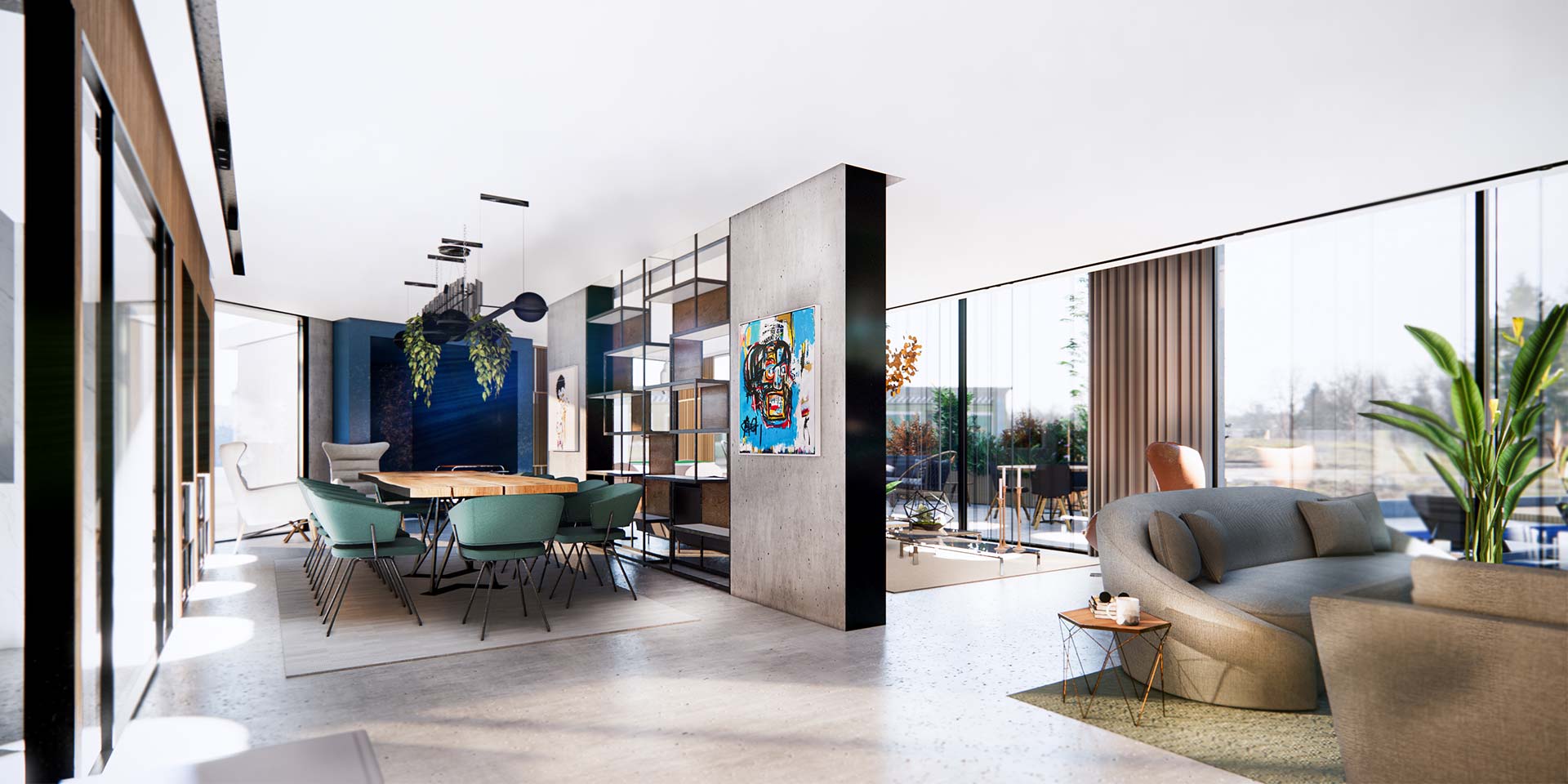
Compressed Elegance - GI APARTMENT- BEIRUT – LEBANON
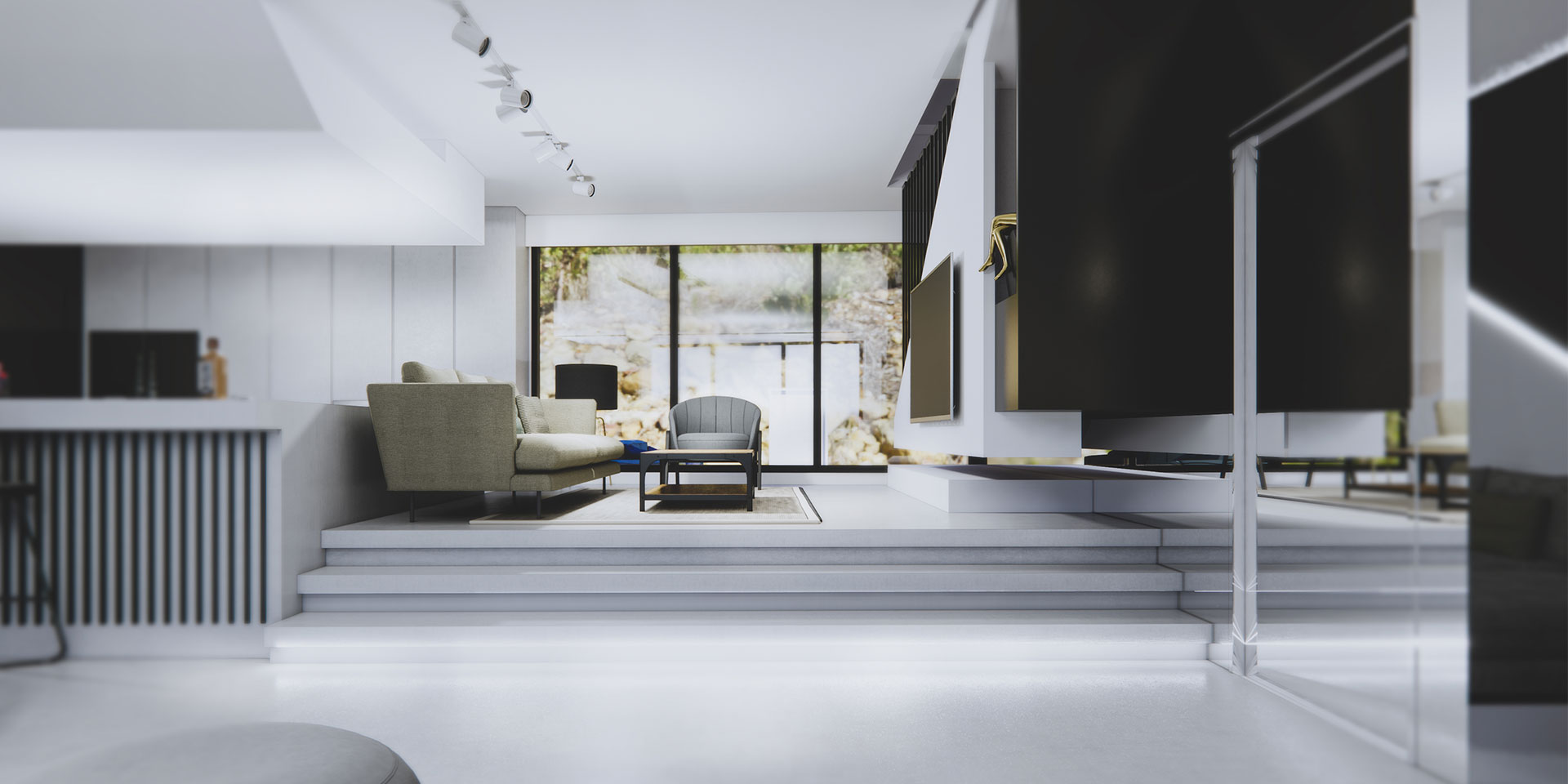
Urban Refinement - JG APARTMENT- BEIRUT – LEBANON
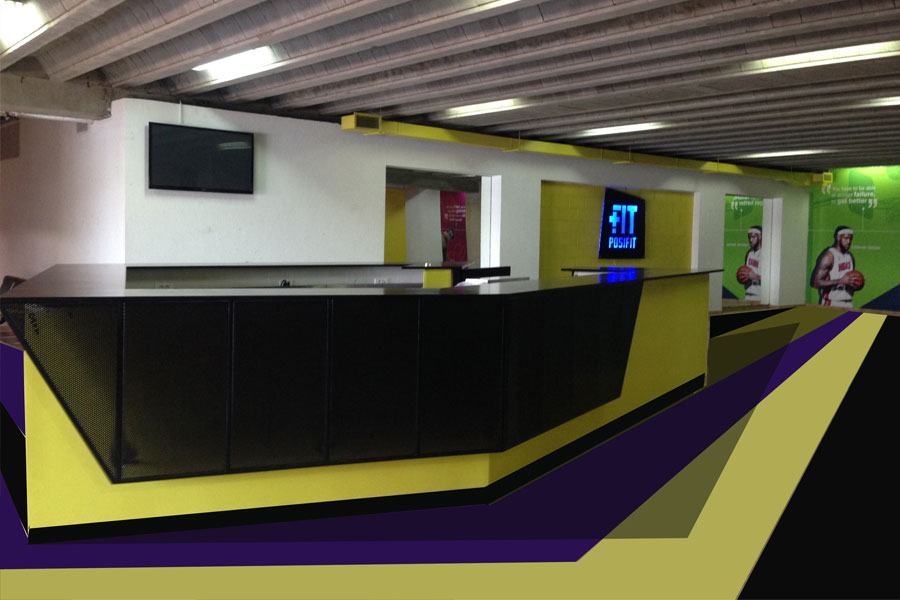
The Body in Space - POSIFIT HEALTH CLUB – JCC- JEITA – LEBANON
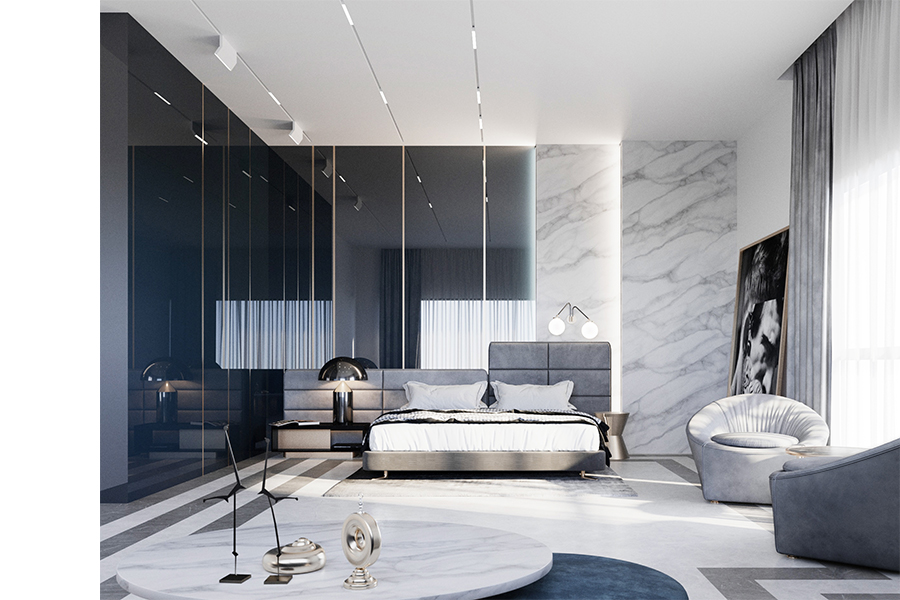
The Art of Rest - BEDROOMS’ SELECTION
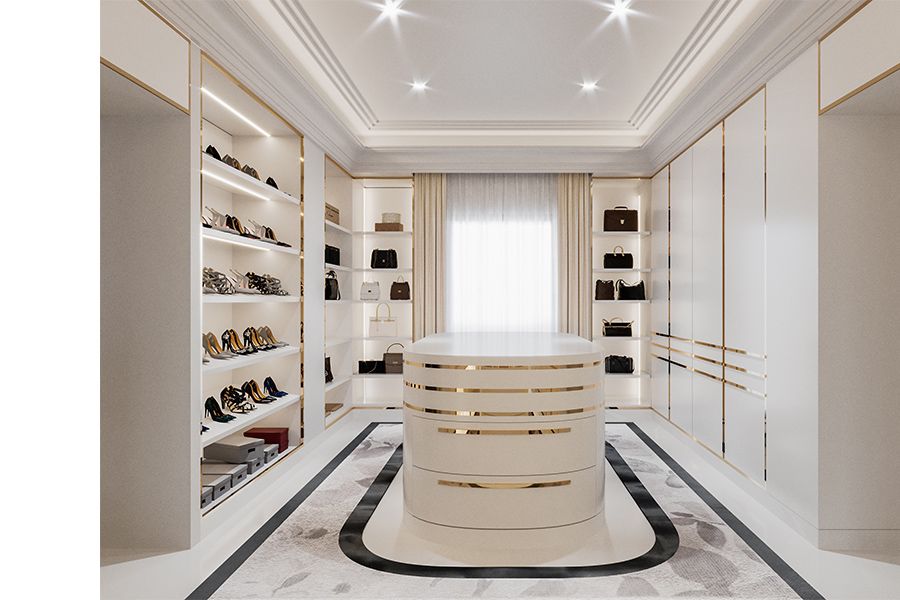
A Room of One's Own - DRESSINGS’ SELECTION
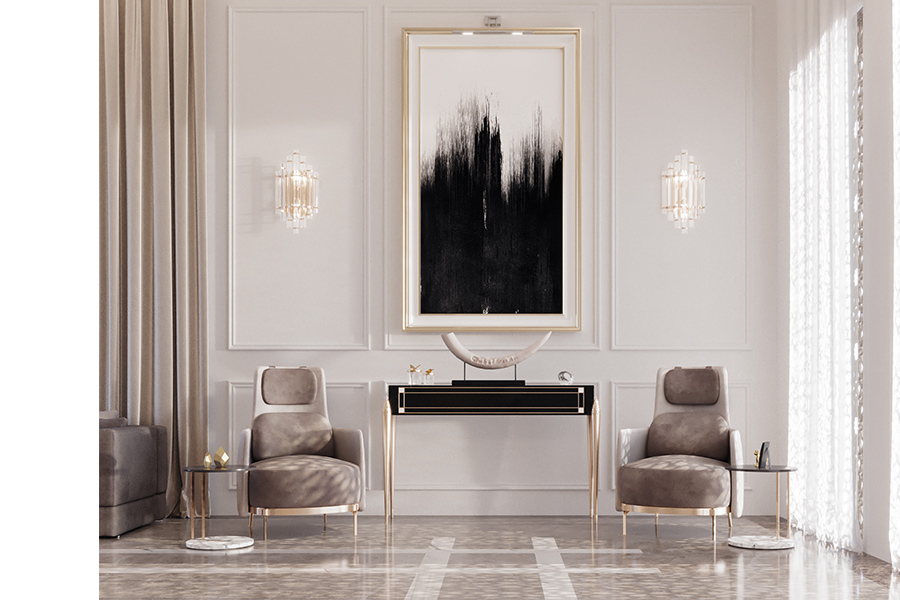
Where Homes Begin - RECEPTIONS’ SELECTION
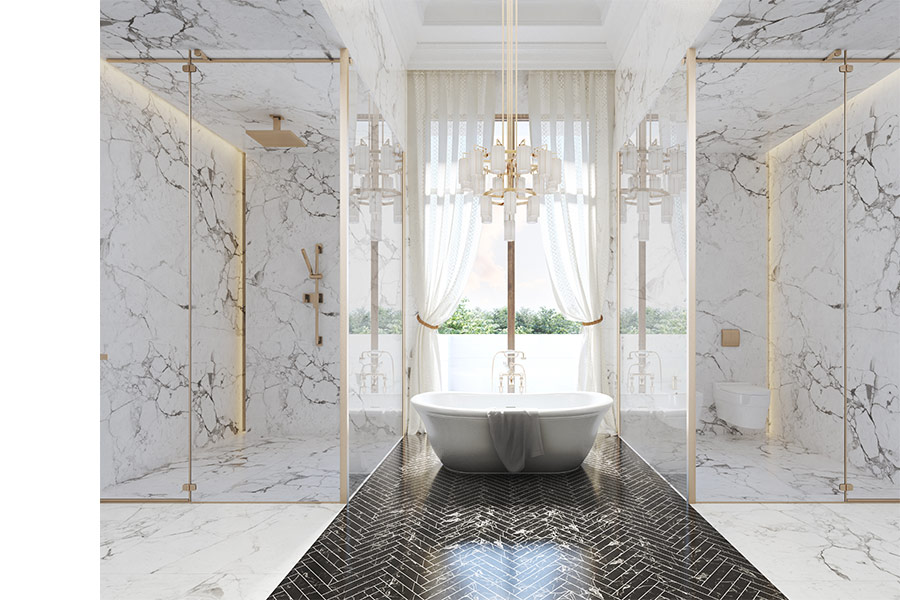
The Ritual Space - BATHROOMS’ SELECTION
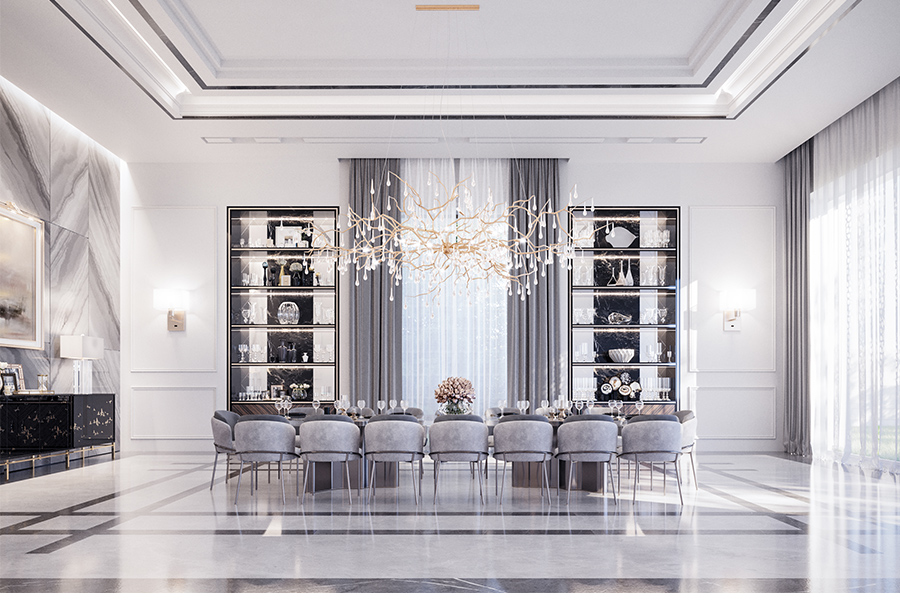
Gathering Around the Table - DININGS’ SELECTION
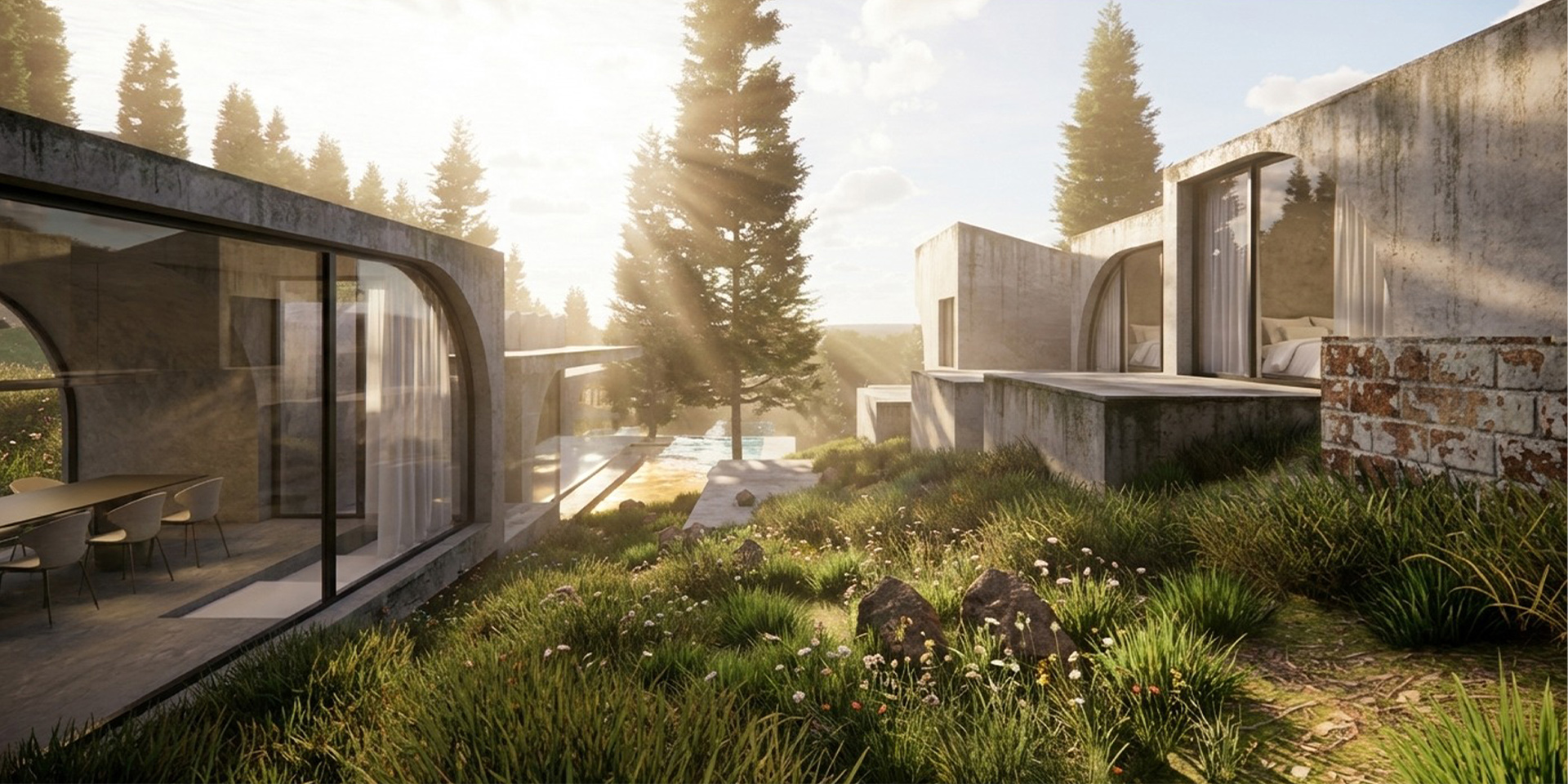
Anchored in the Valley - OB RESIDENCE - REIFOUN - LEBANON
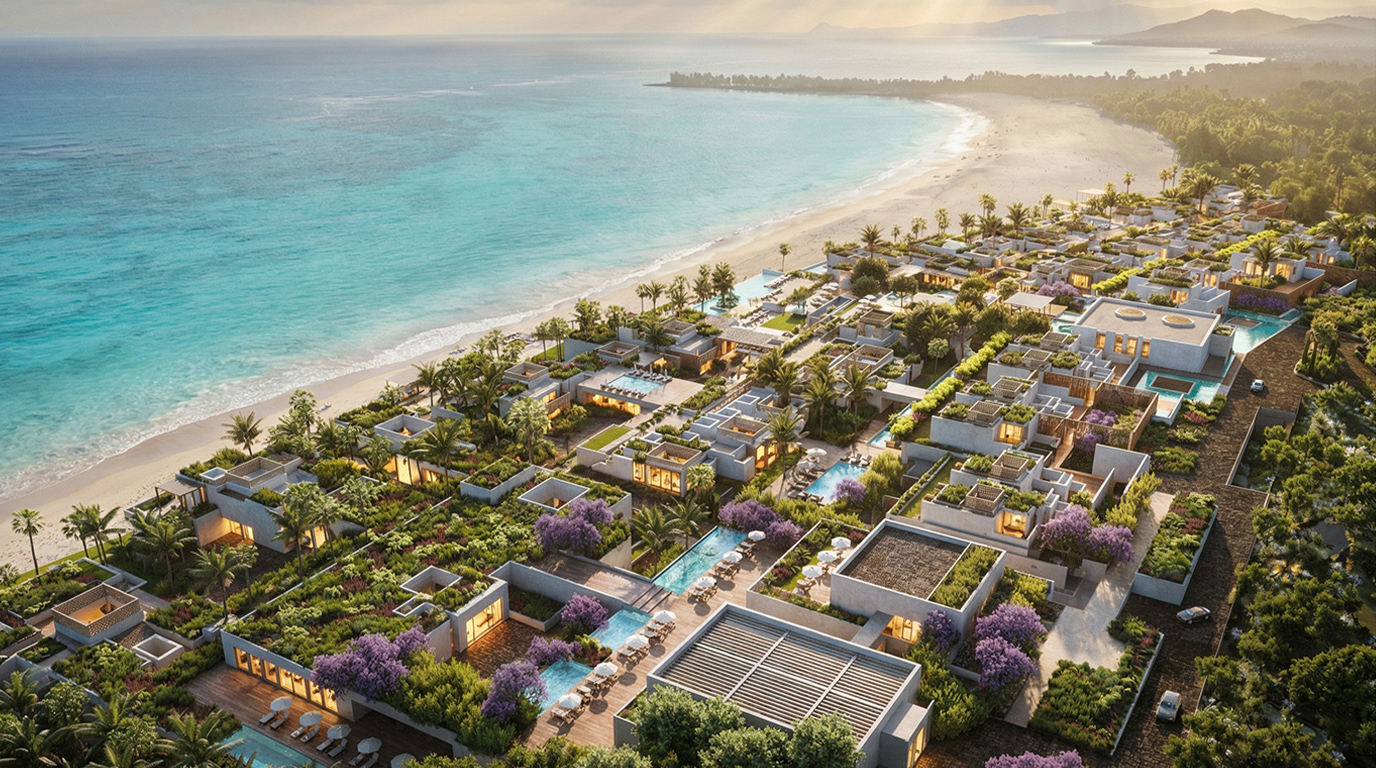
Atlantic Gateway - RM HOTEL – AGADIR – MOROCCO – COMPETITION
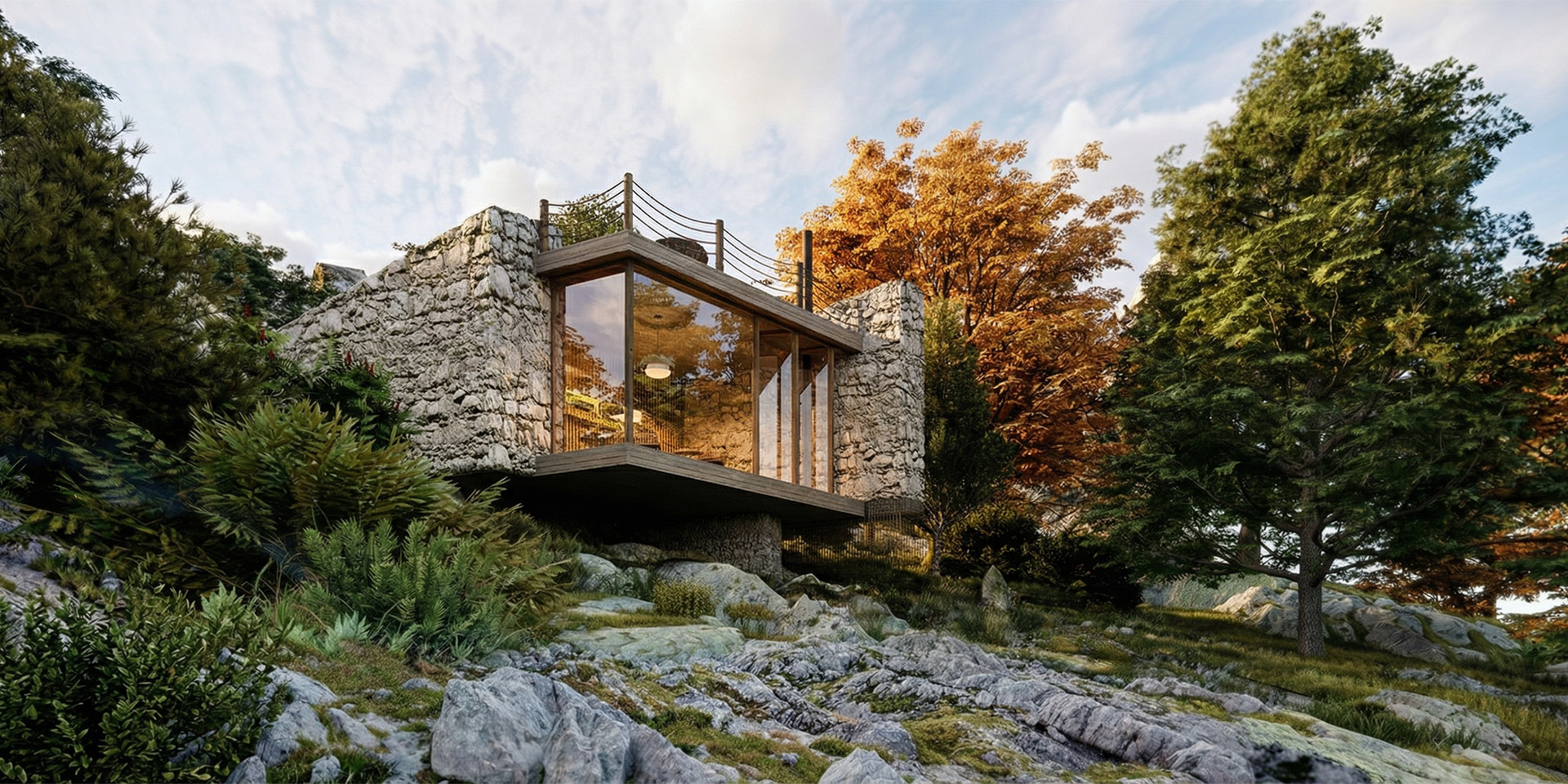
The Forest That Gives Back - K ECOLODGE – KFARHOUNEH – LEBANON
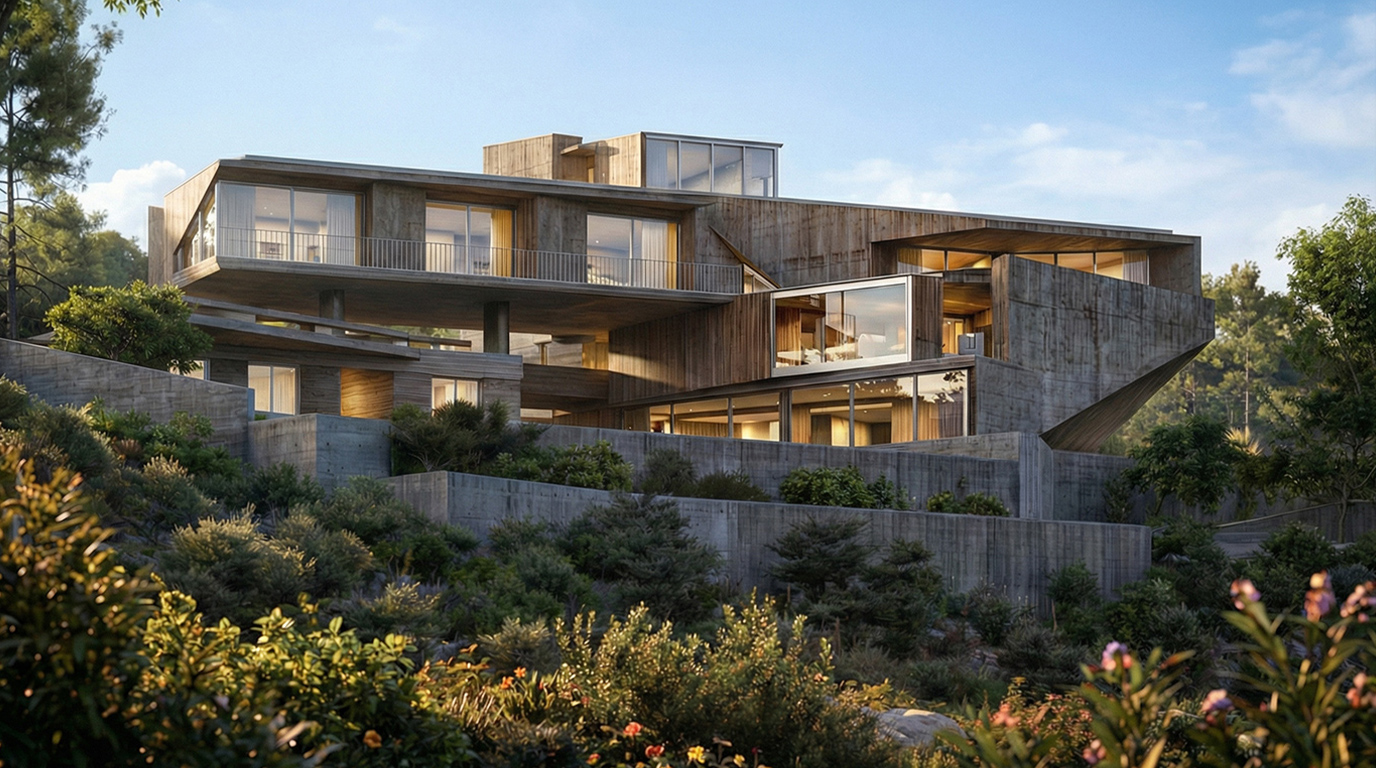
Rooted in the Grove - F VILLA – WARDANIYE – LEBANON
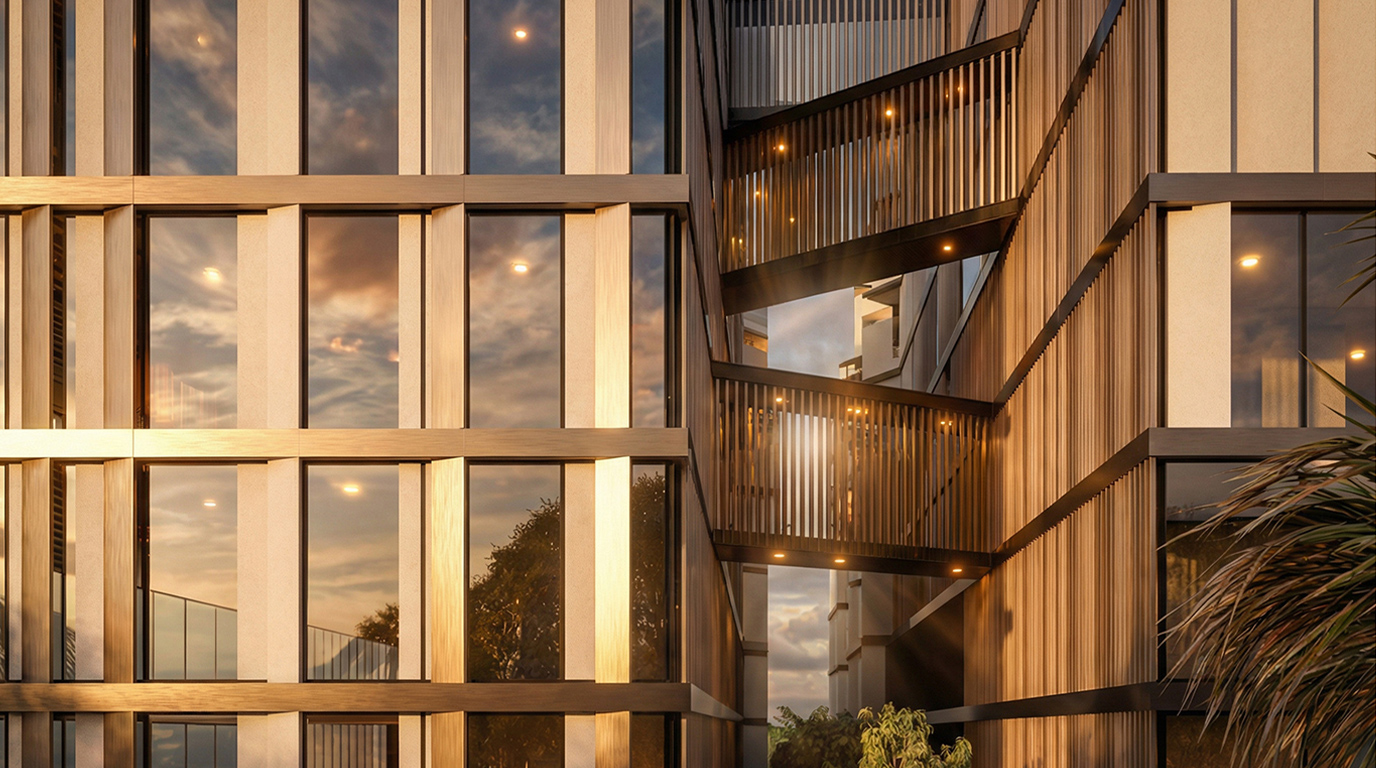
Program Stacked, City Served - MULTIUSE BUILDING -JUBAIL – KSA
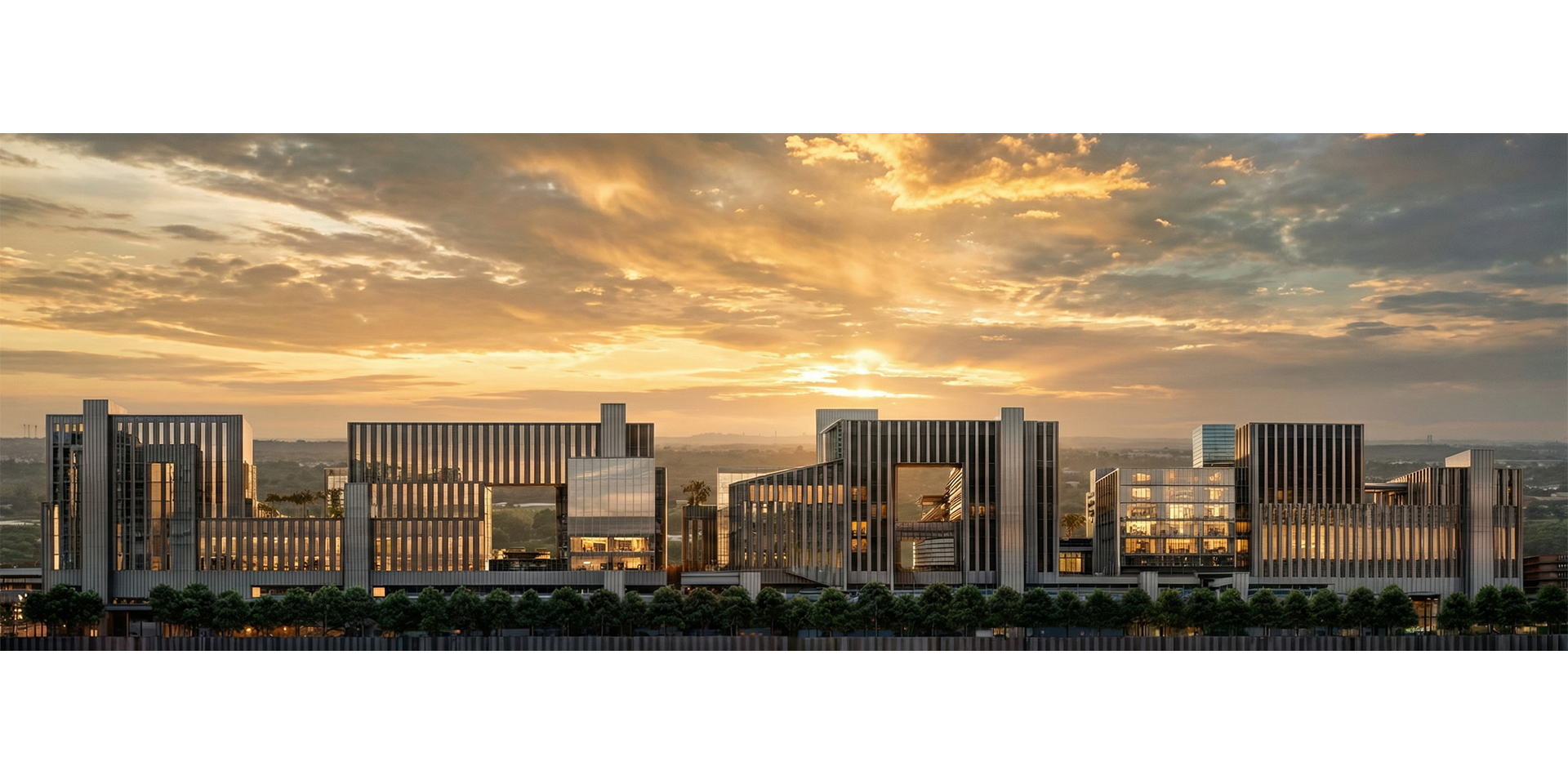
North African Business Landmark - AL ANDALUSIA BUSINESS CENTER – TRIPOLI – LYBIA
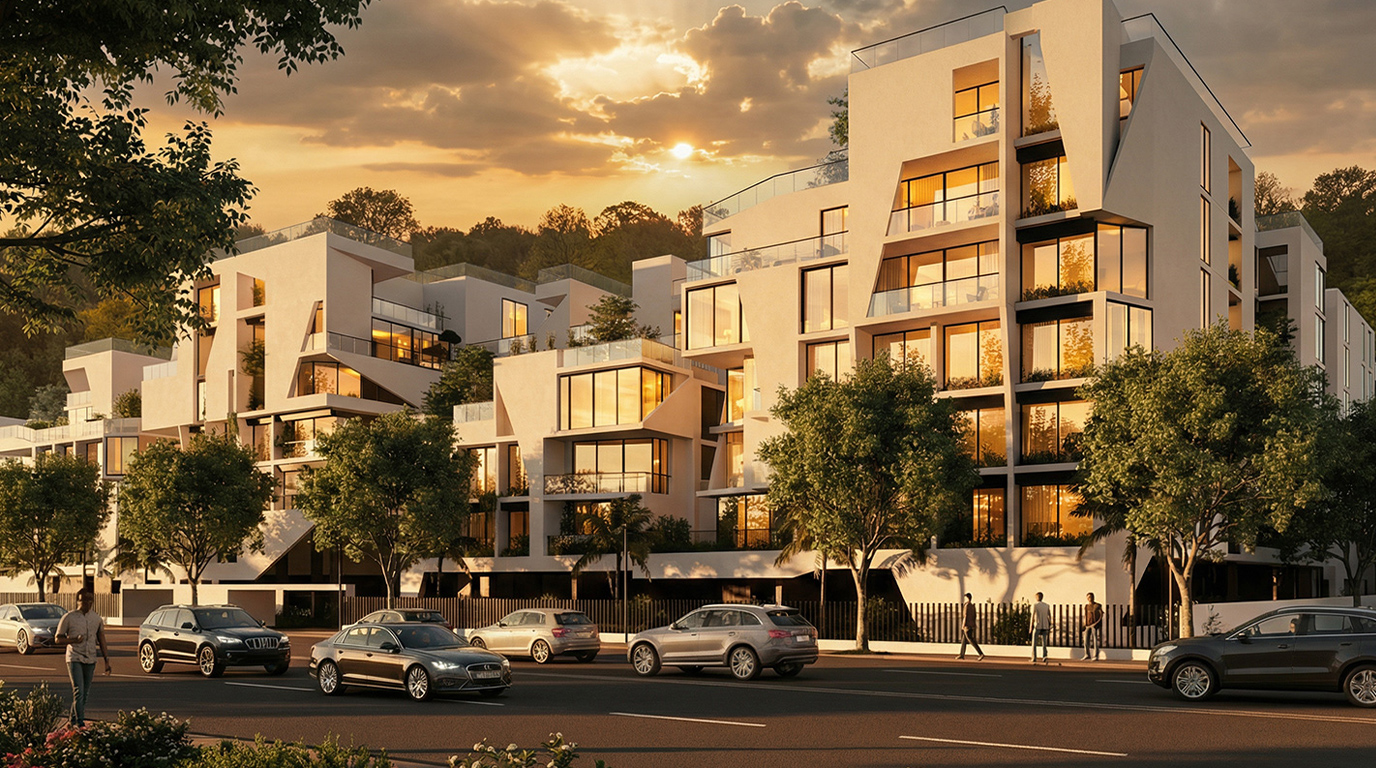
An Oasis in the City Fabric - OASIS RESIDENTIAL COMPOUND - JEDDAH - KSA
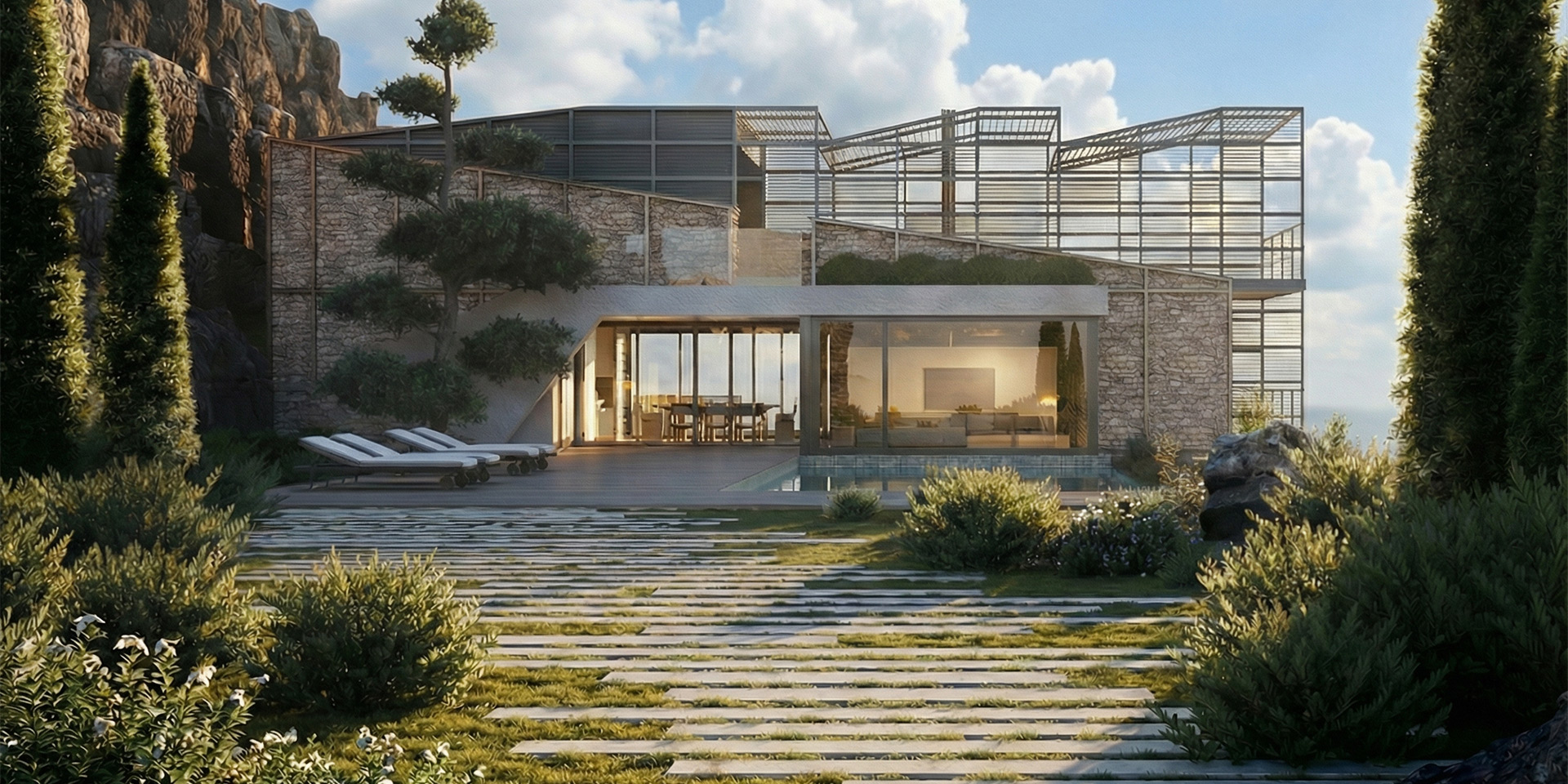
The Metal Rock - WA CHALET – ZAAROUR – LEBANON
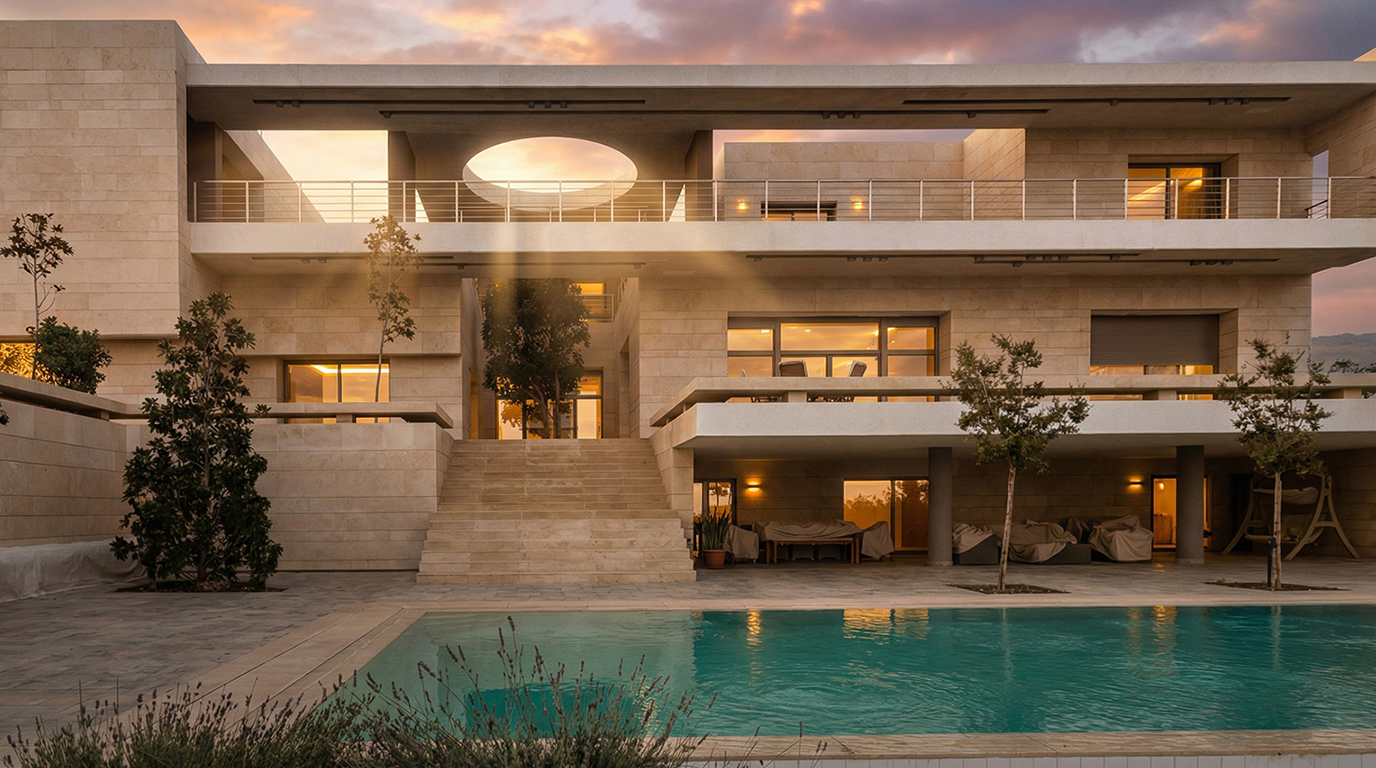
Carved into the Hill - HN VILLA – AMMAN – JORDAN
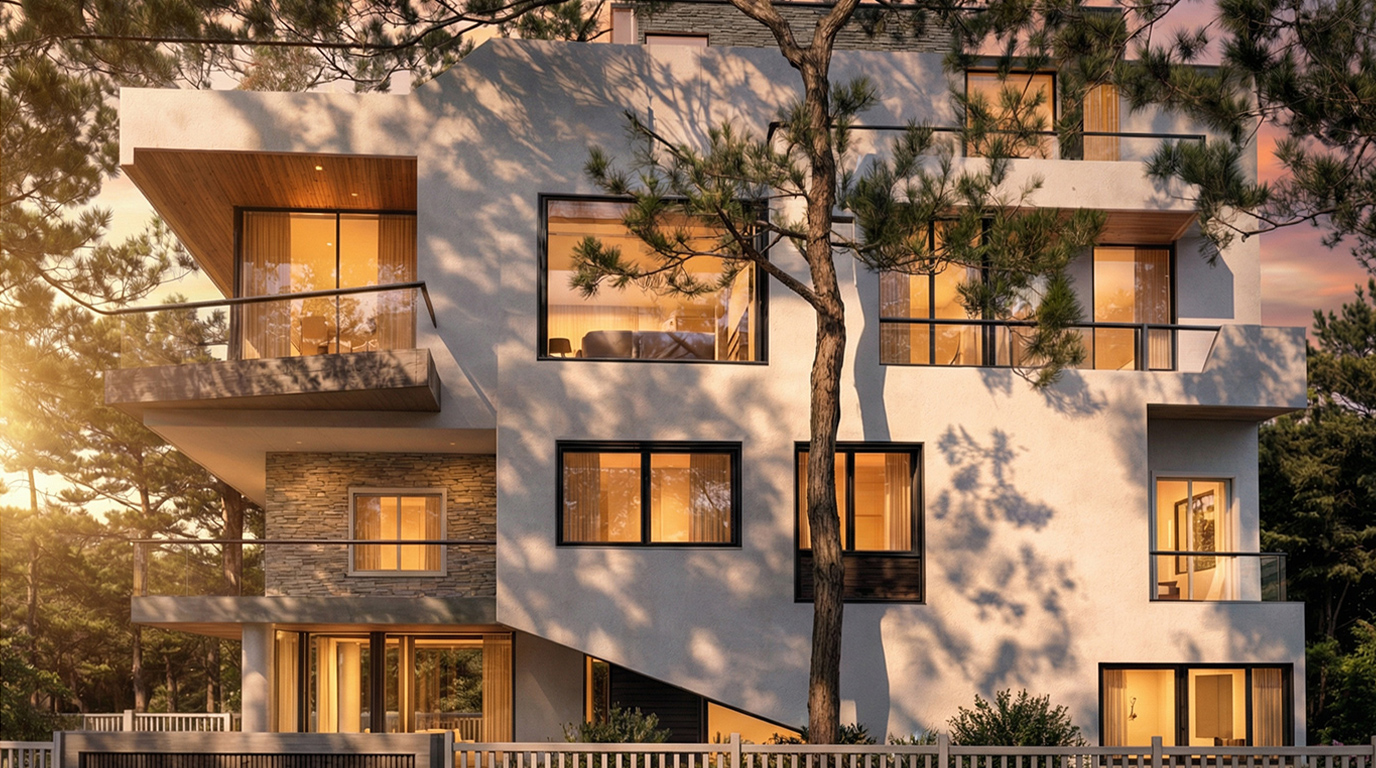
A Gentle Expansion - M VILLA ADDITION – REIFOUN – LEBANON
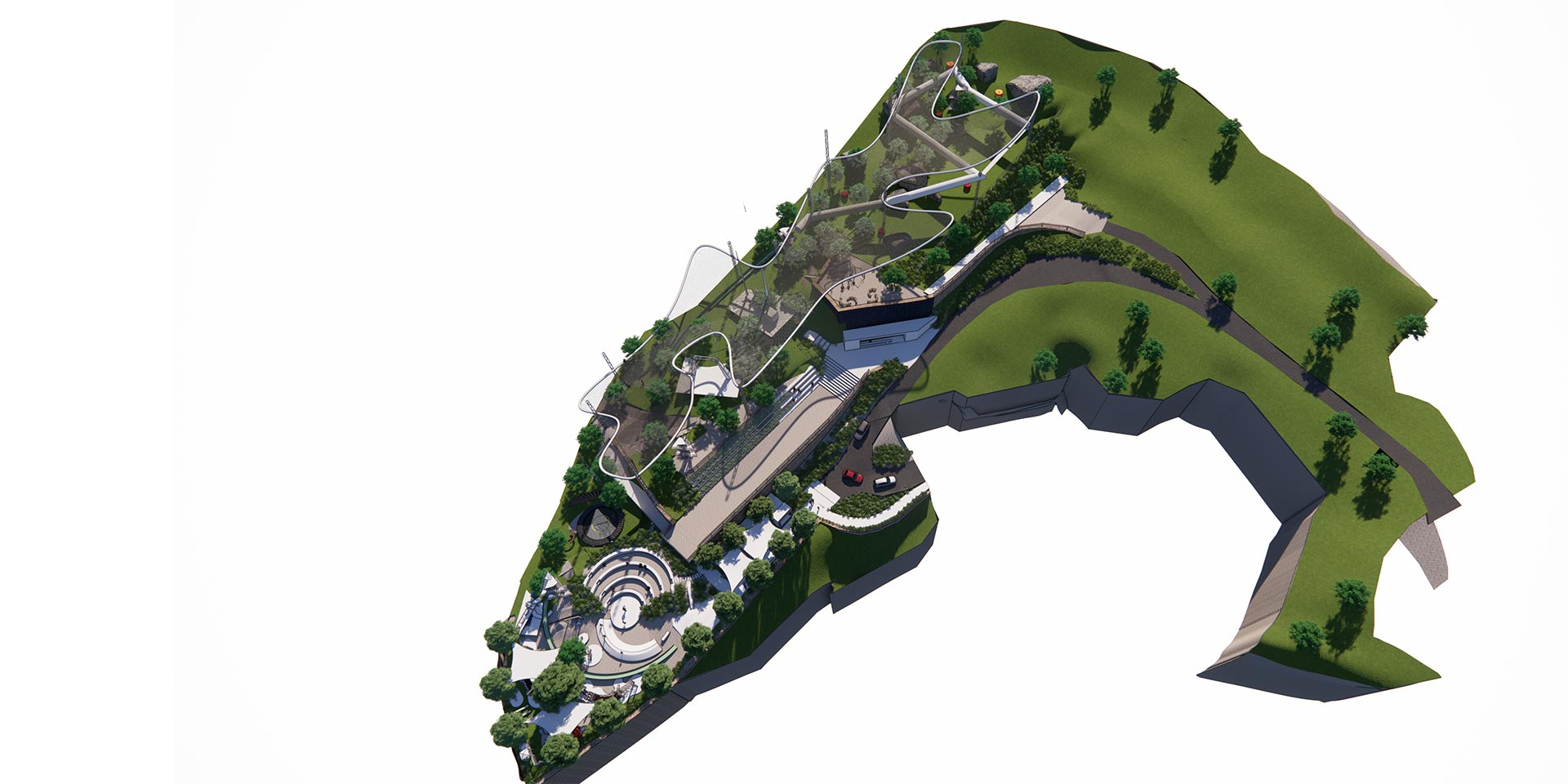
Into the Natural Playground - ADVENTURE PARK - JIITA - LEBANON
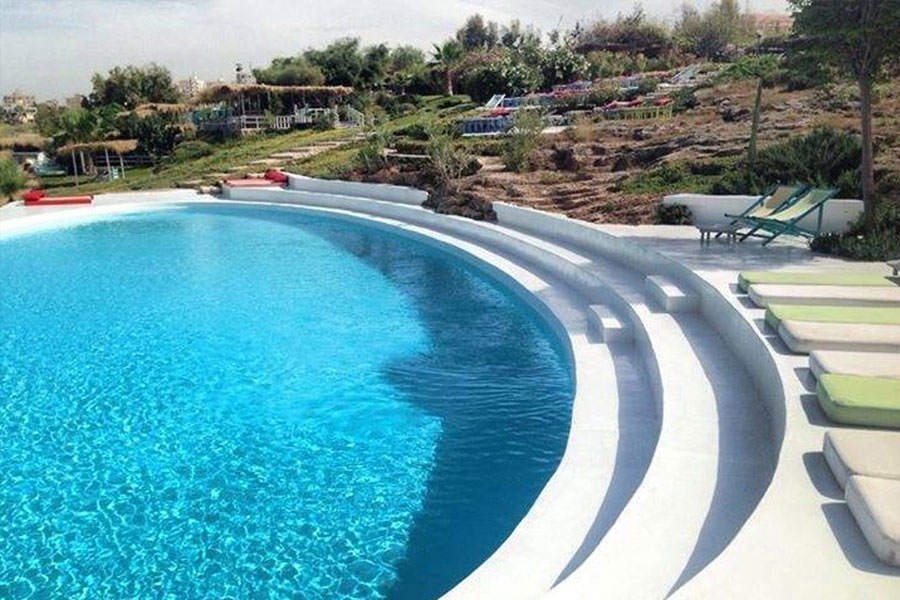
Seaside, Unhurried - LAZY B – JIYEH – LEBANON
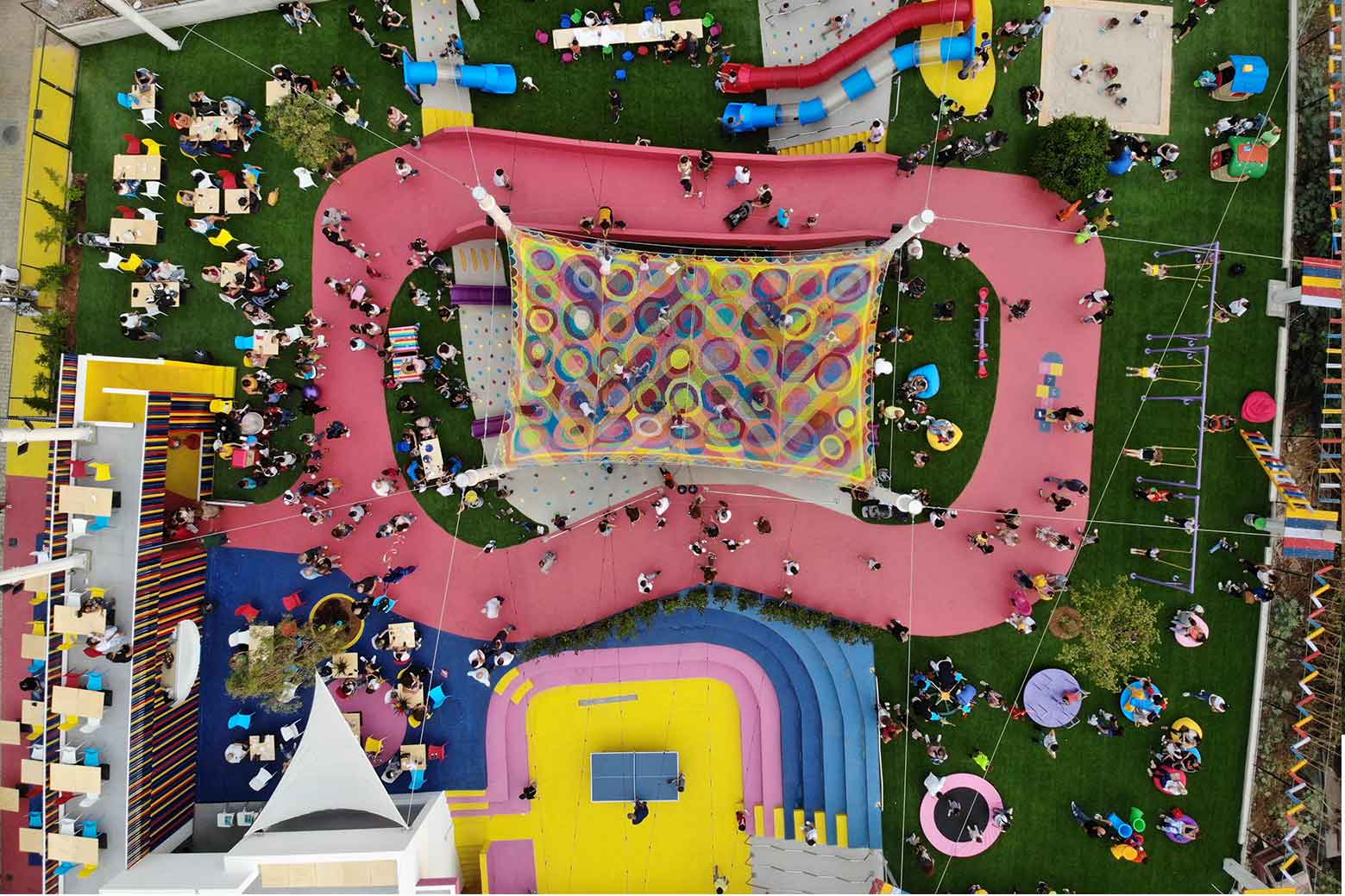
A Landscape for Play - WAOUH PLAYGROUND – ZALKA – LEBANON
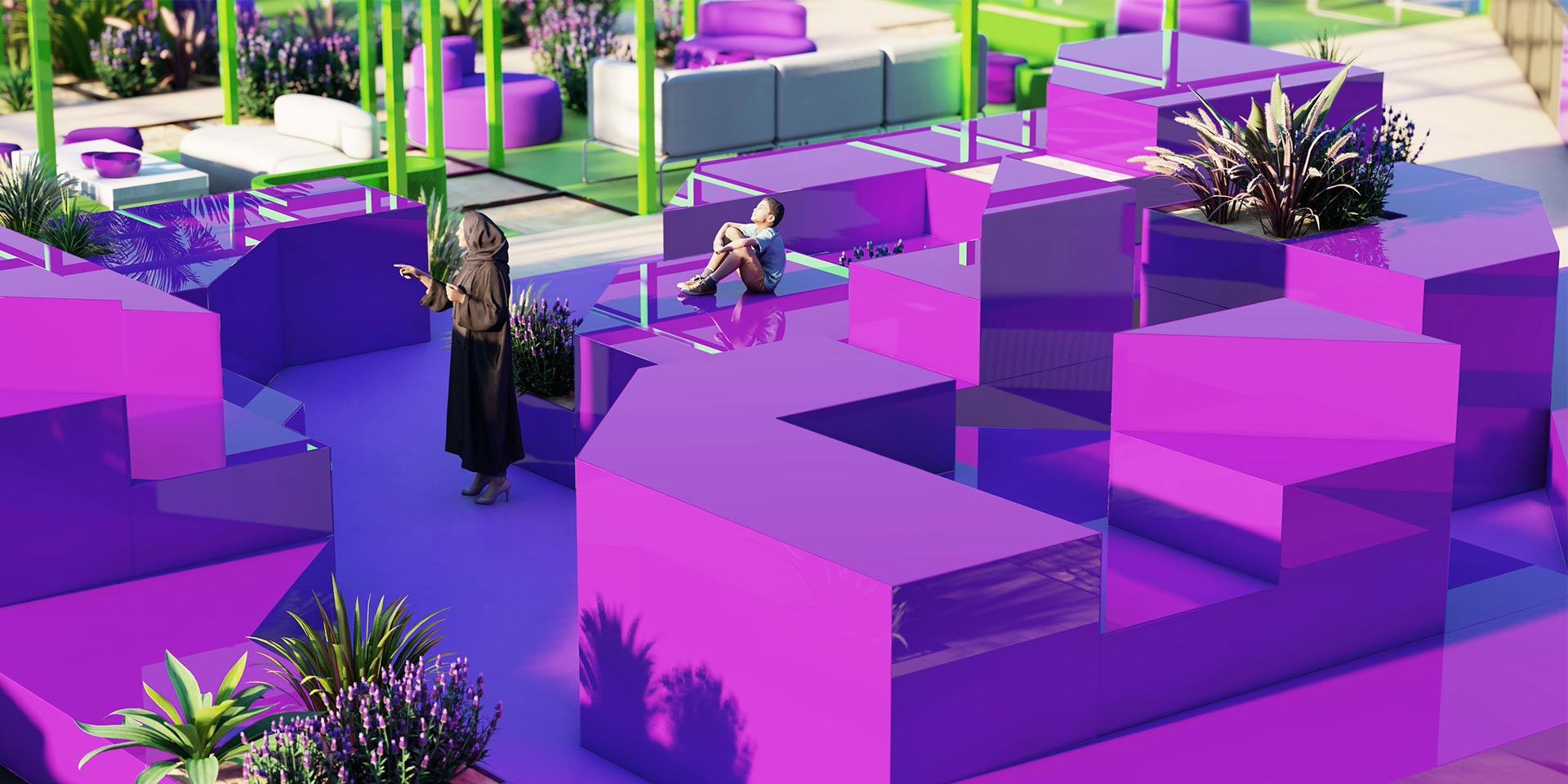
Architecture of Spectacle - SAUDI CUP – KSA
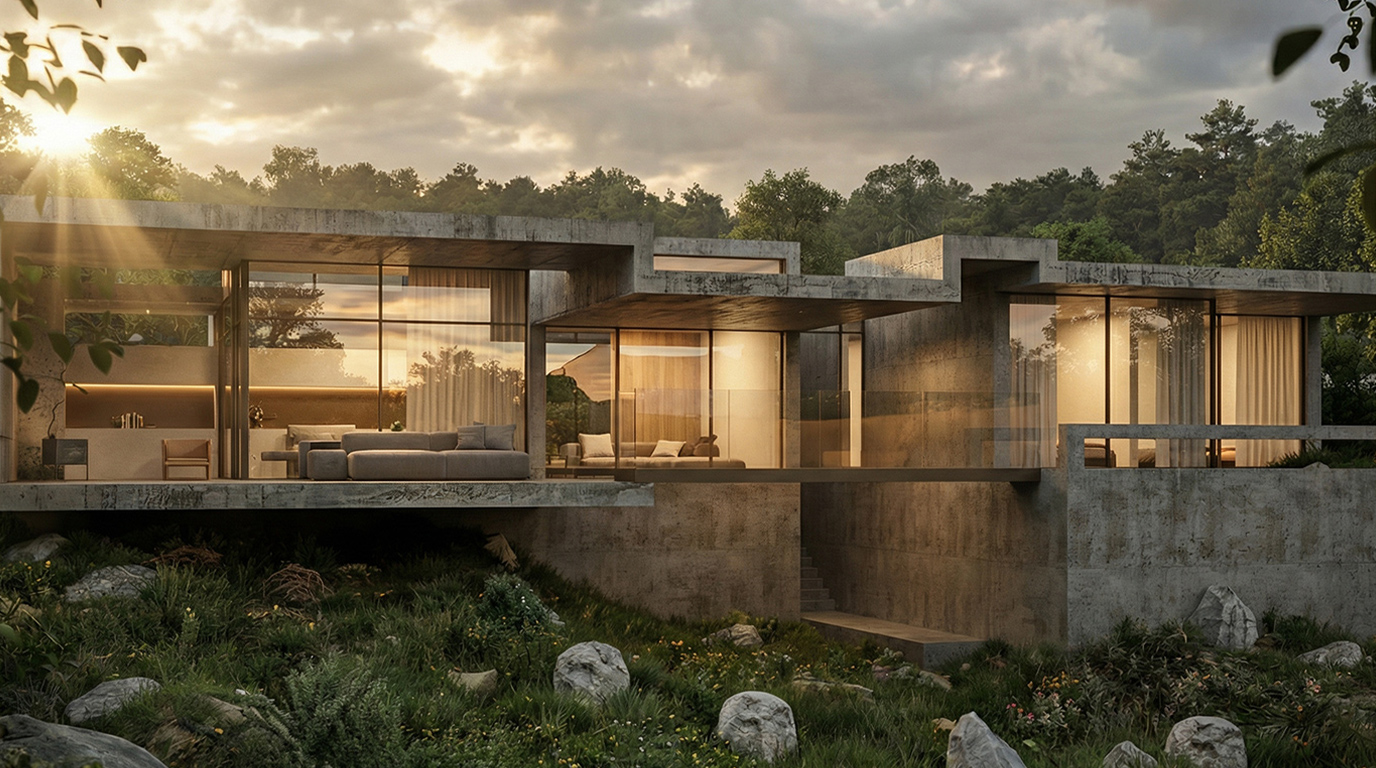
Nestled in the Snowfield - A CHALET – ZAAROUR – LEBANON
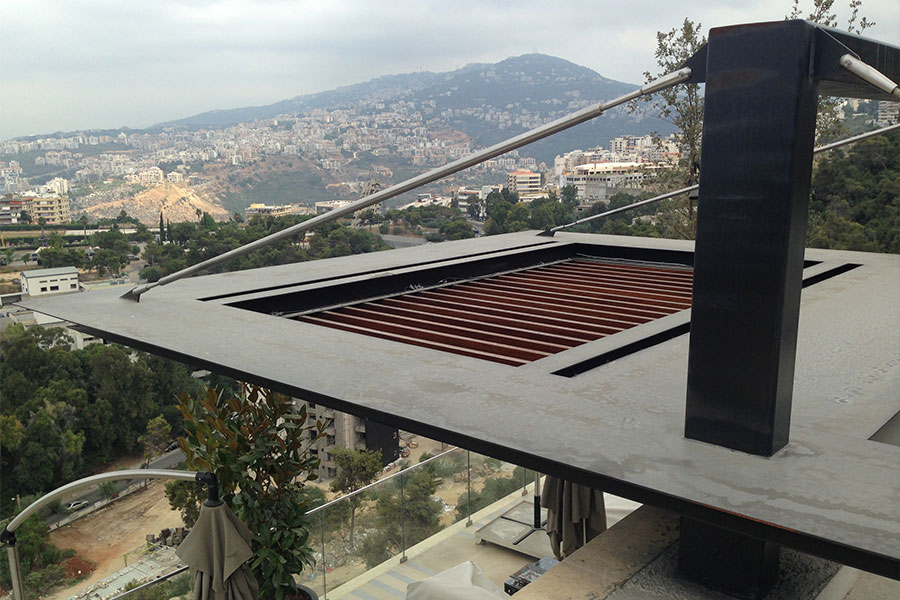
The upper Terrace - HE MS – BEIRUT – LEBANON
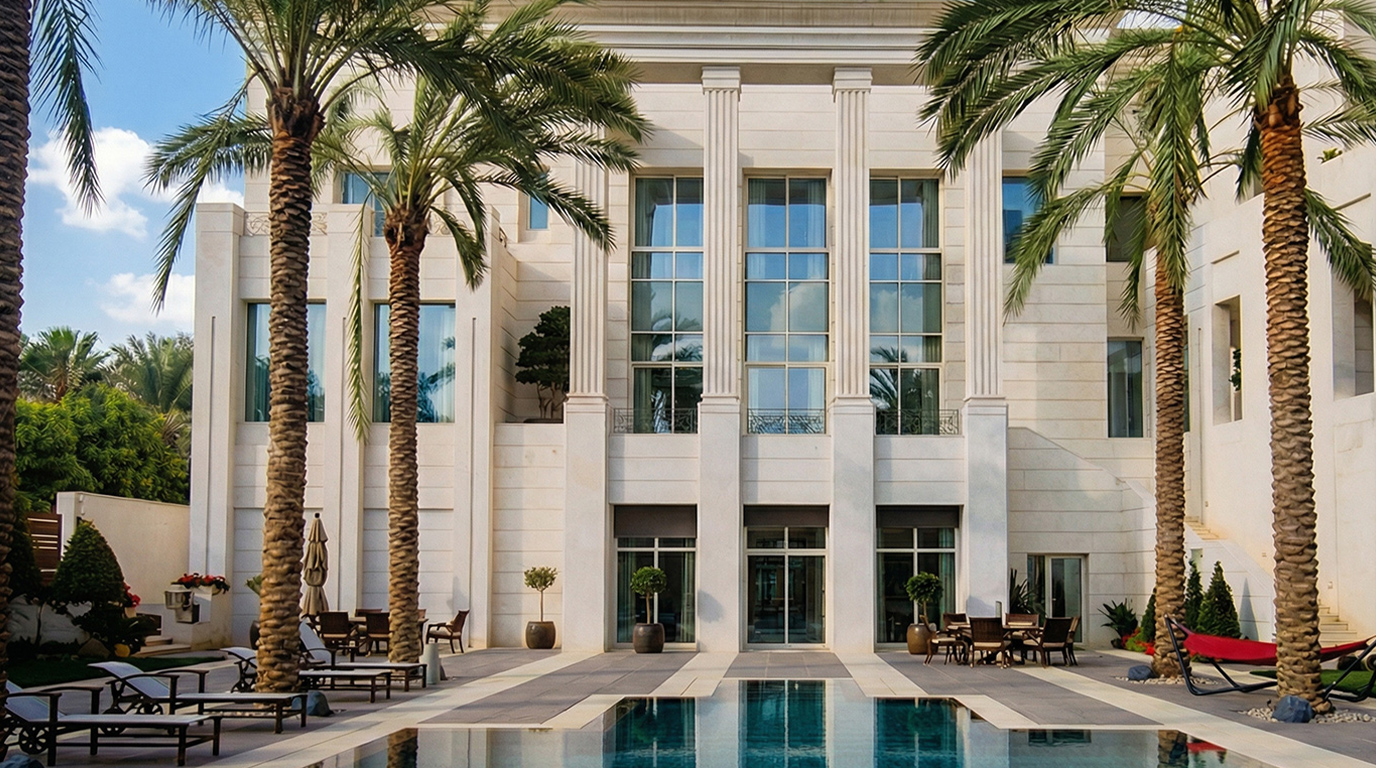
Dialogue with the Cityscape - HW VILLA – AMMAN – JORDAN
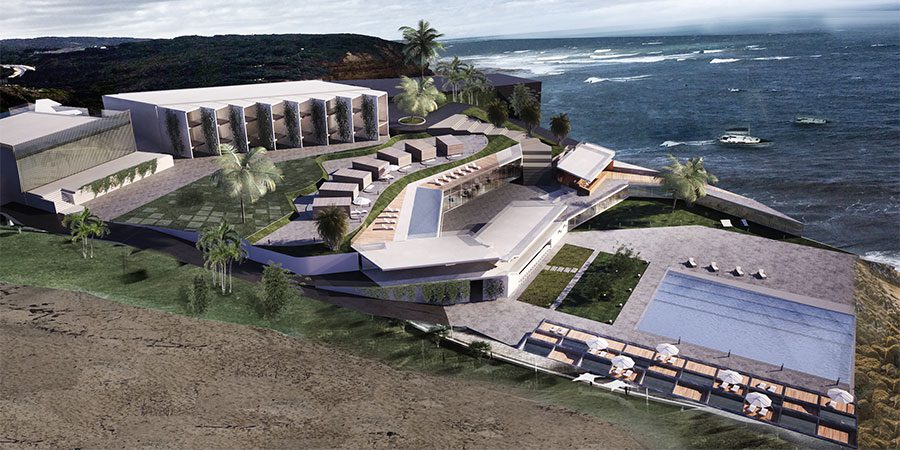
Mediterranean on the Rocks - KFARABIDA RESORT – BATROUN – LEBANON
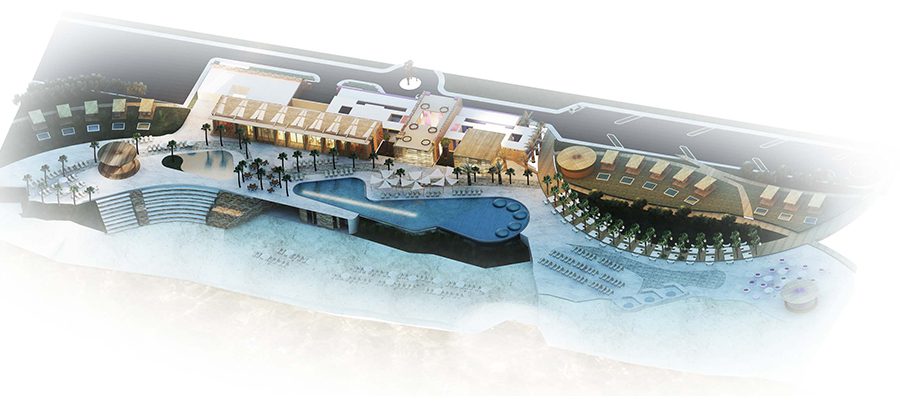
Resort for a New City - KAEC RESORT-KSA
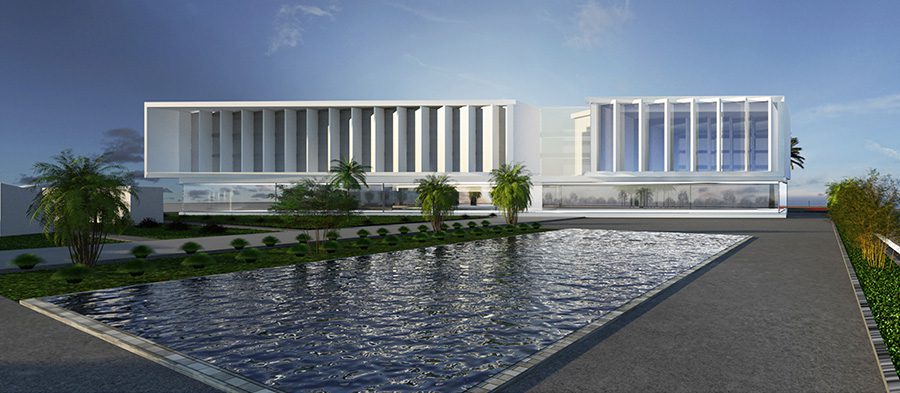
Blue vs White - RADISSON BLUE HOTEL – KHOBAR – KSA
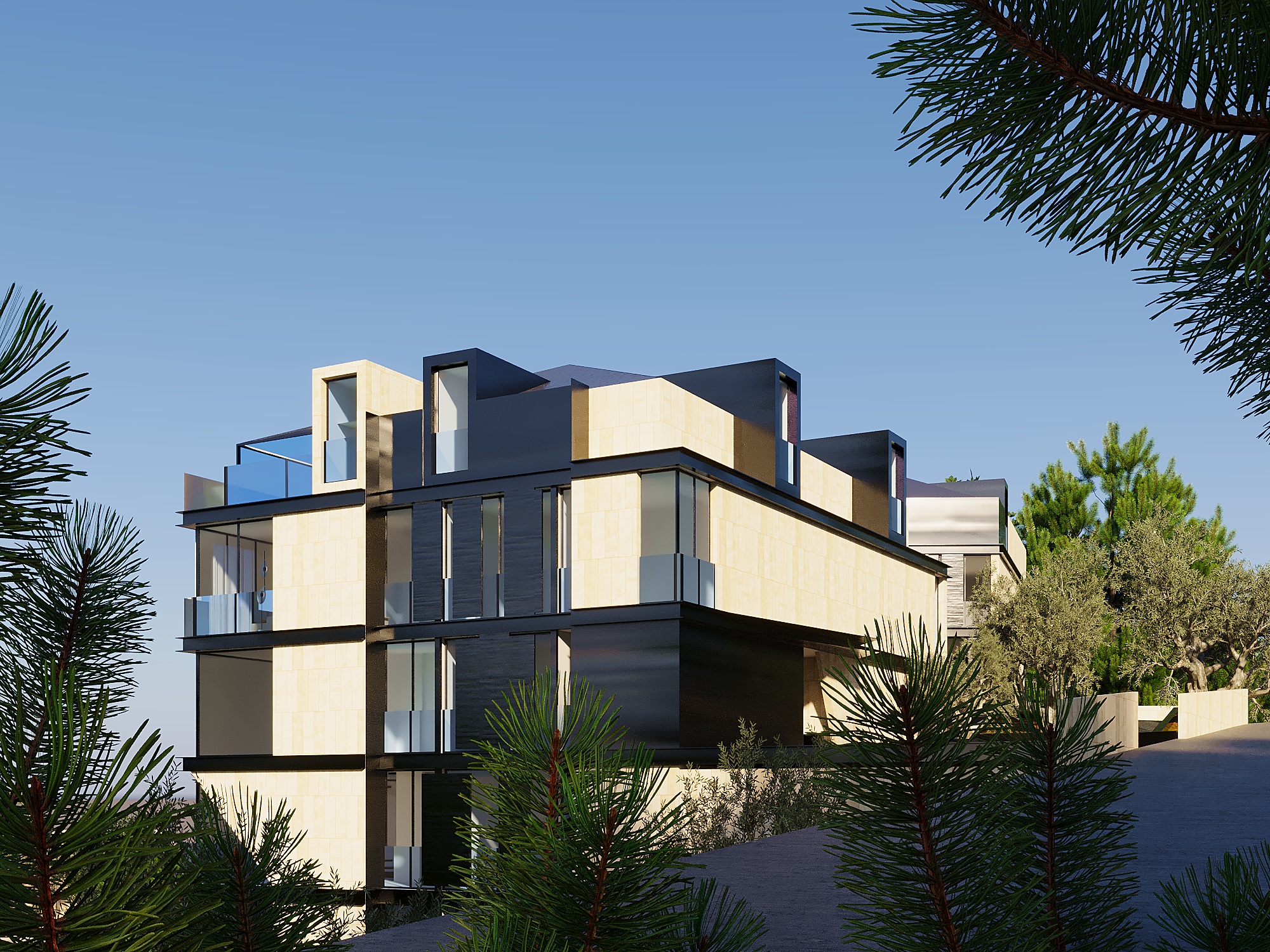
Terraced Living on the Mountain - MONTEVERDE RESIDENTAL COMPLEX – BEIT MERRI – LEBANON
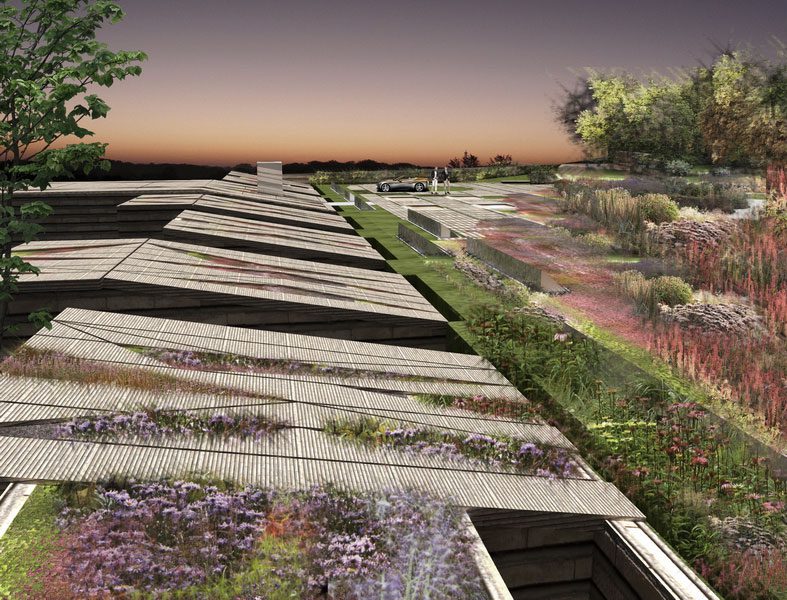
Where the Sea Meets the Hill- HE MP VILLA – BATROUN- LEBANON
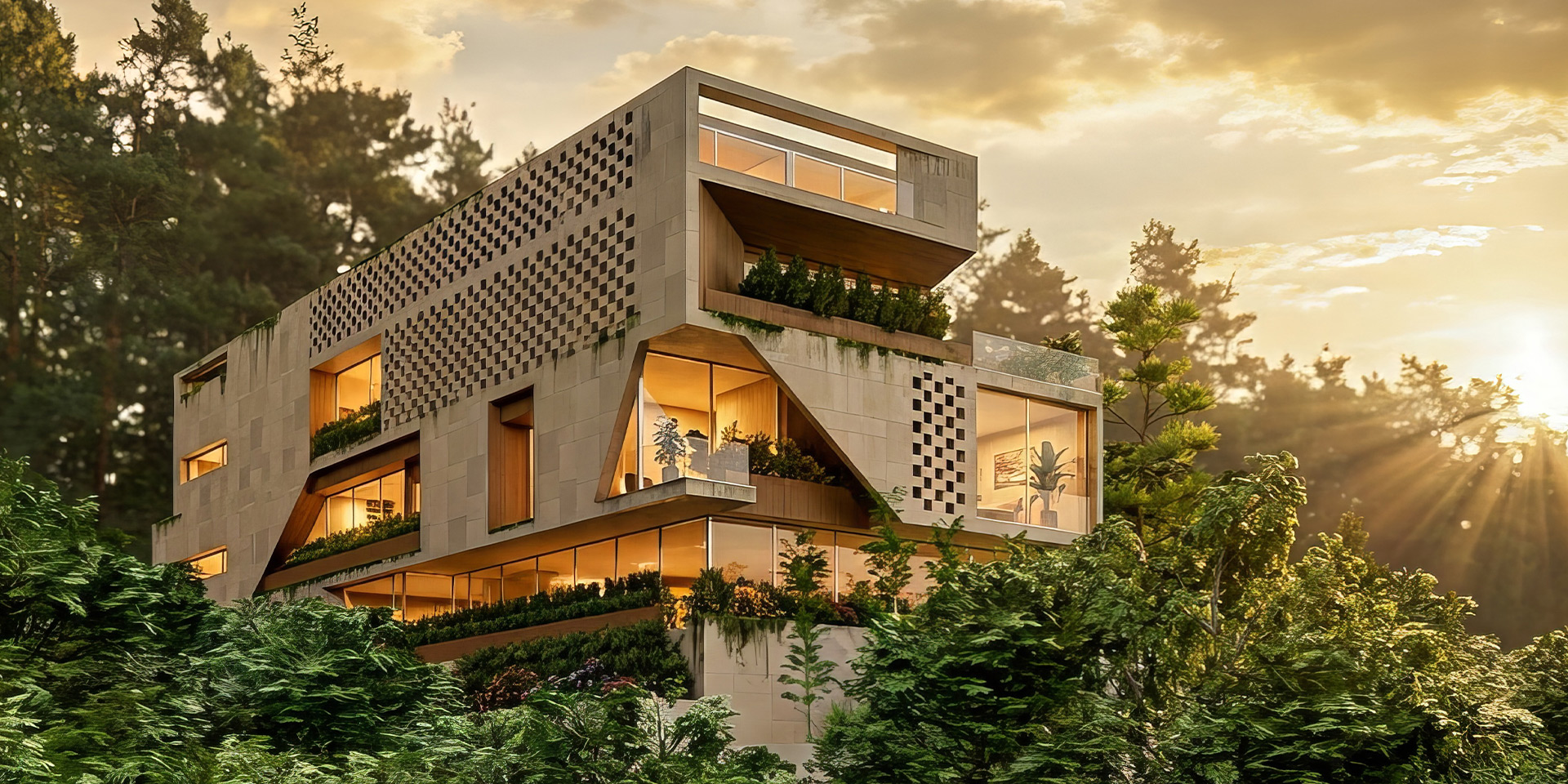
Terraced Between Sky and Stone - HM VILLA - BAABDA - LEBANON
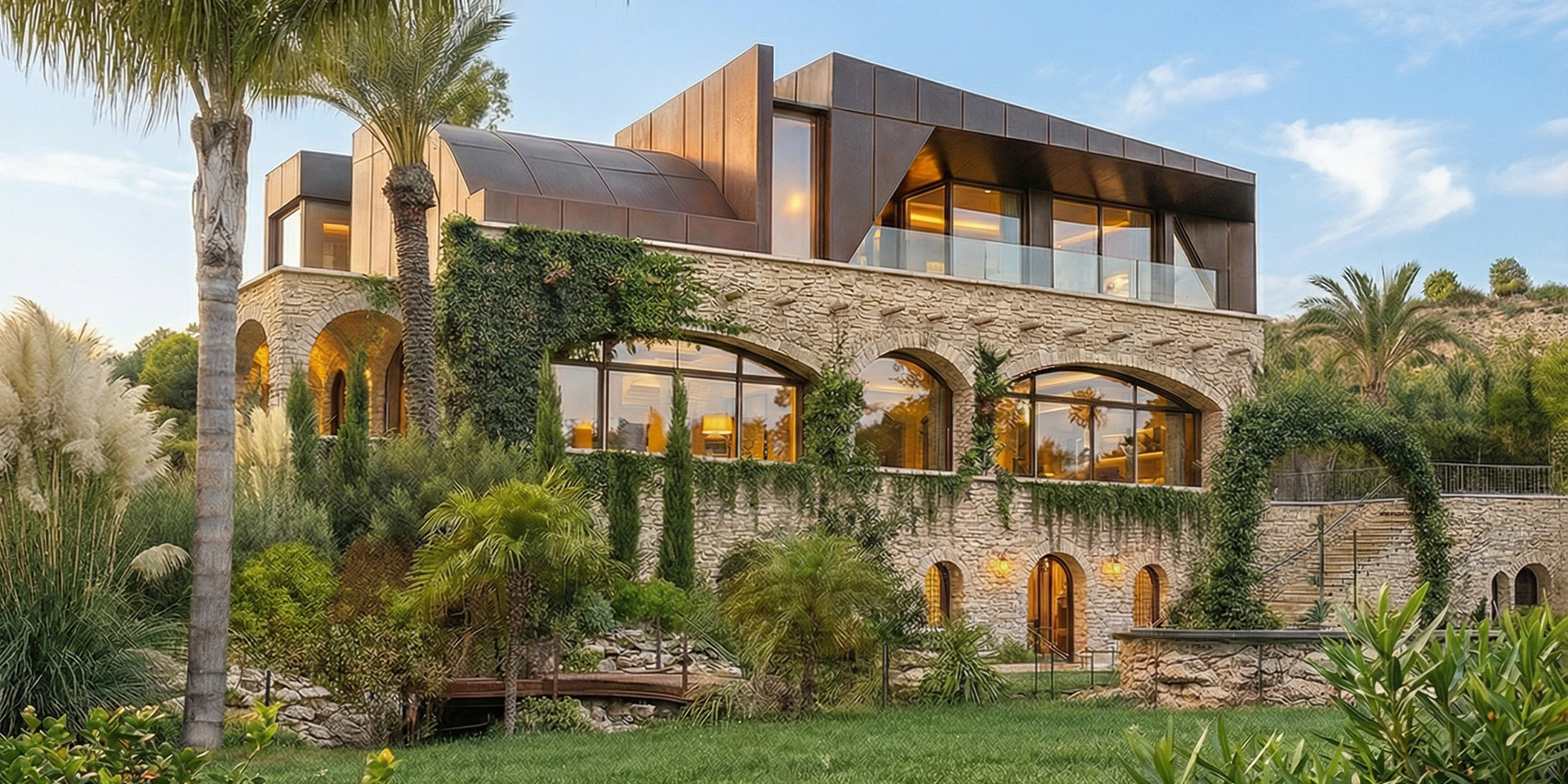
Old Stone, New Steel - PAR ADDITION - A DIALOGUE OF STONE AND STEEL - GHARZOUZ - LEBANON
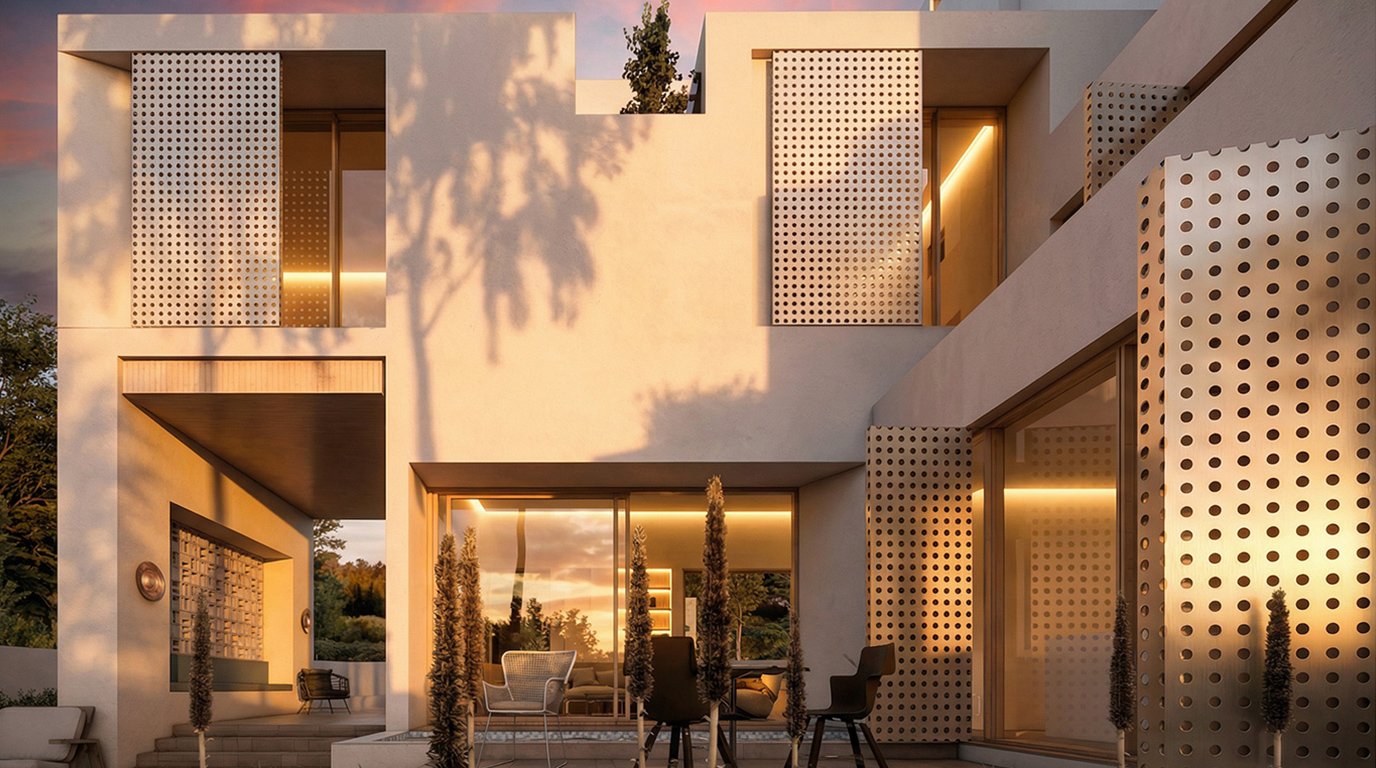
The Desert Frame - F HOUSE - DUBAI -EAU
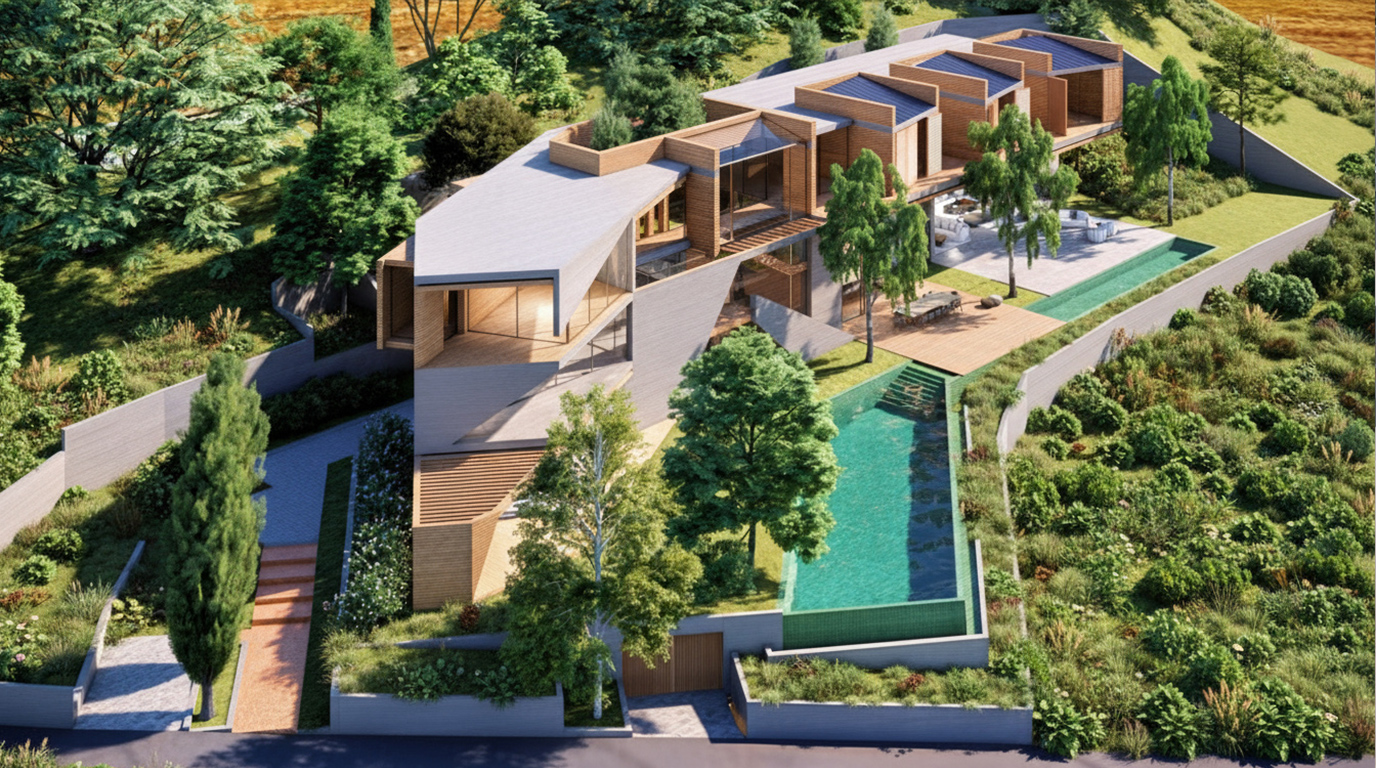
Gravity Reconsidered - BV VILLA- BAALOUL - LEBANON
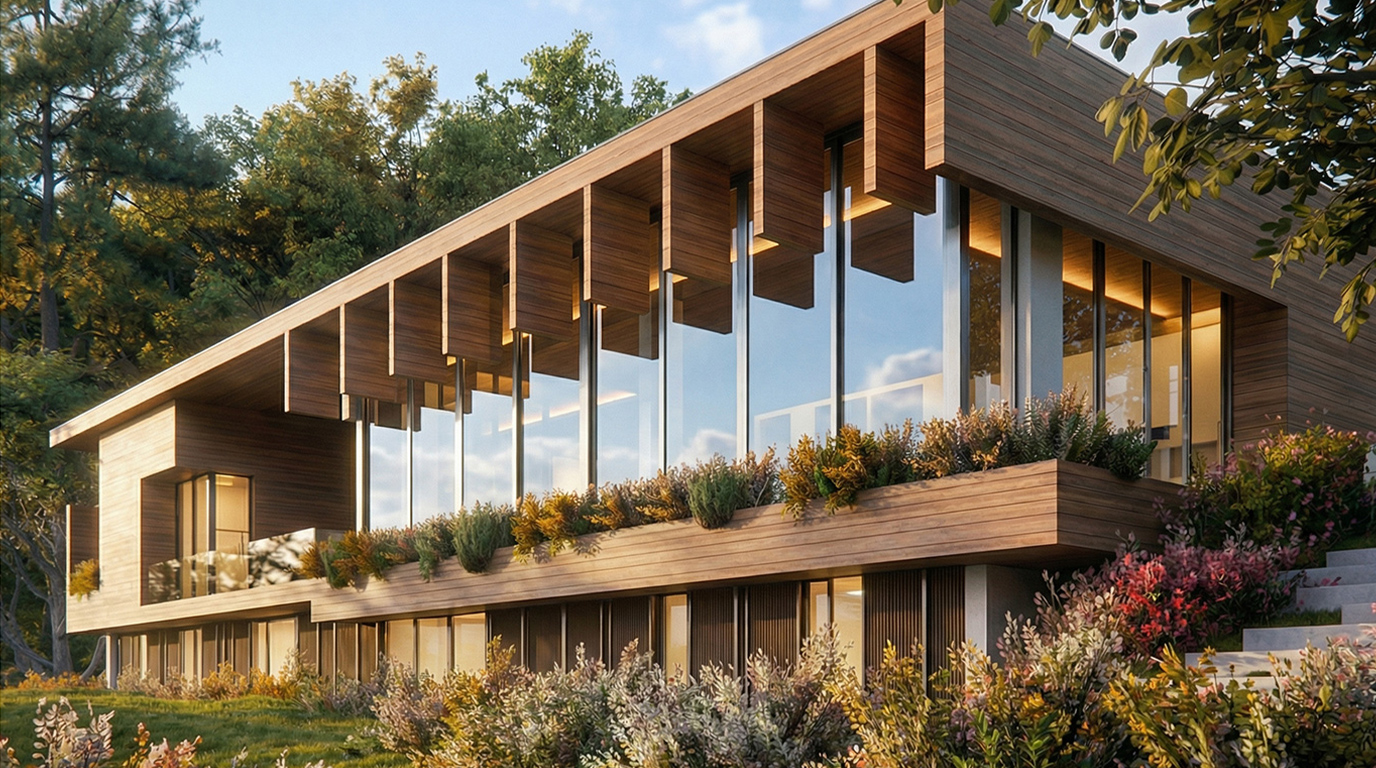
The Summit Residence - PM VILLA – MTEIN – ZAAROUR – LEBANON
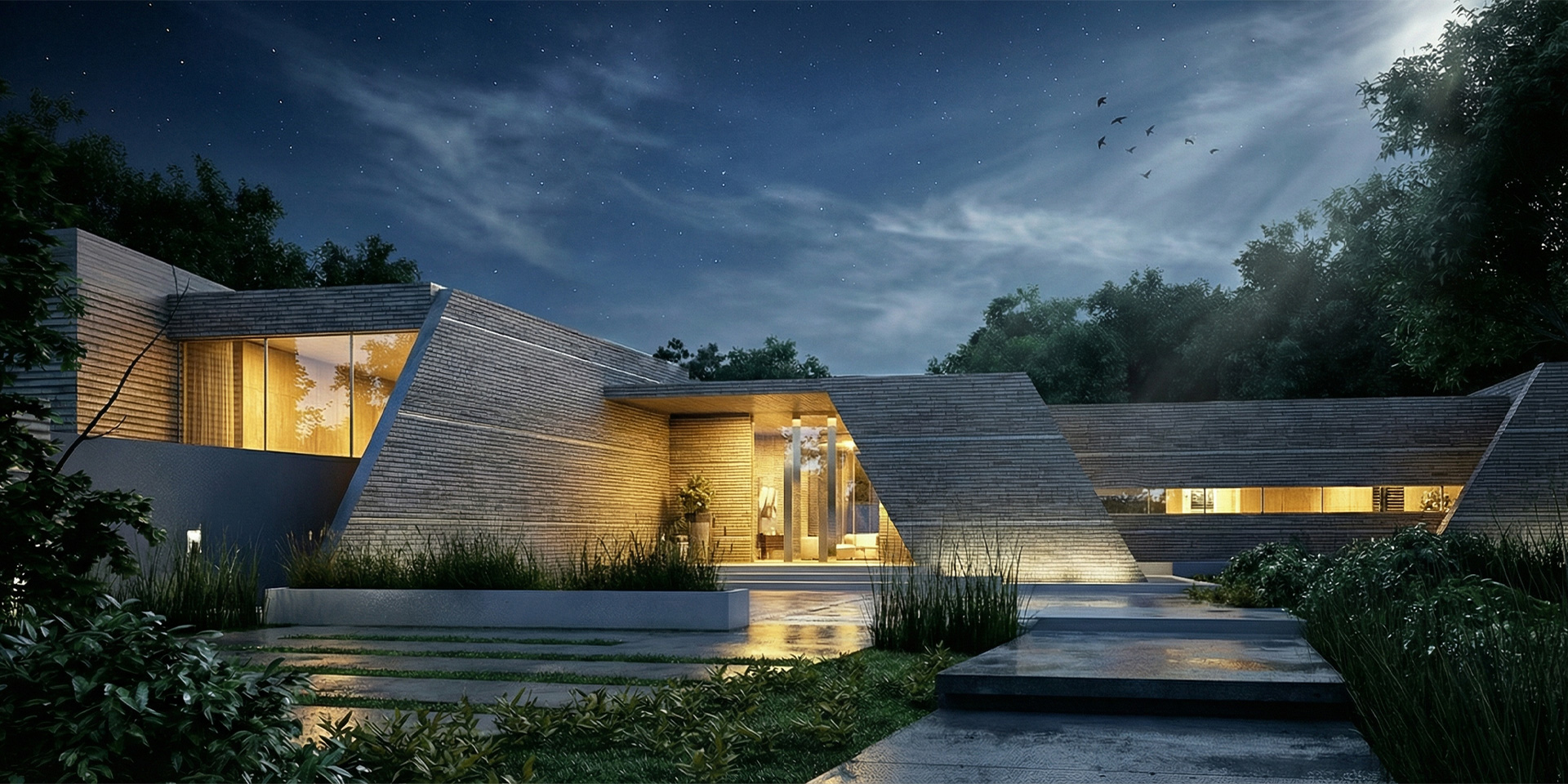
Shared Ground, Two Horizons - N BROTHERS VILLA – BEQAA VALLEY – LEBANON
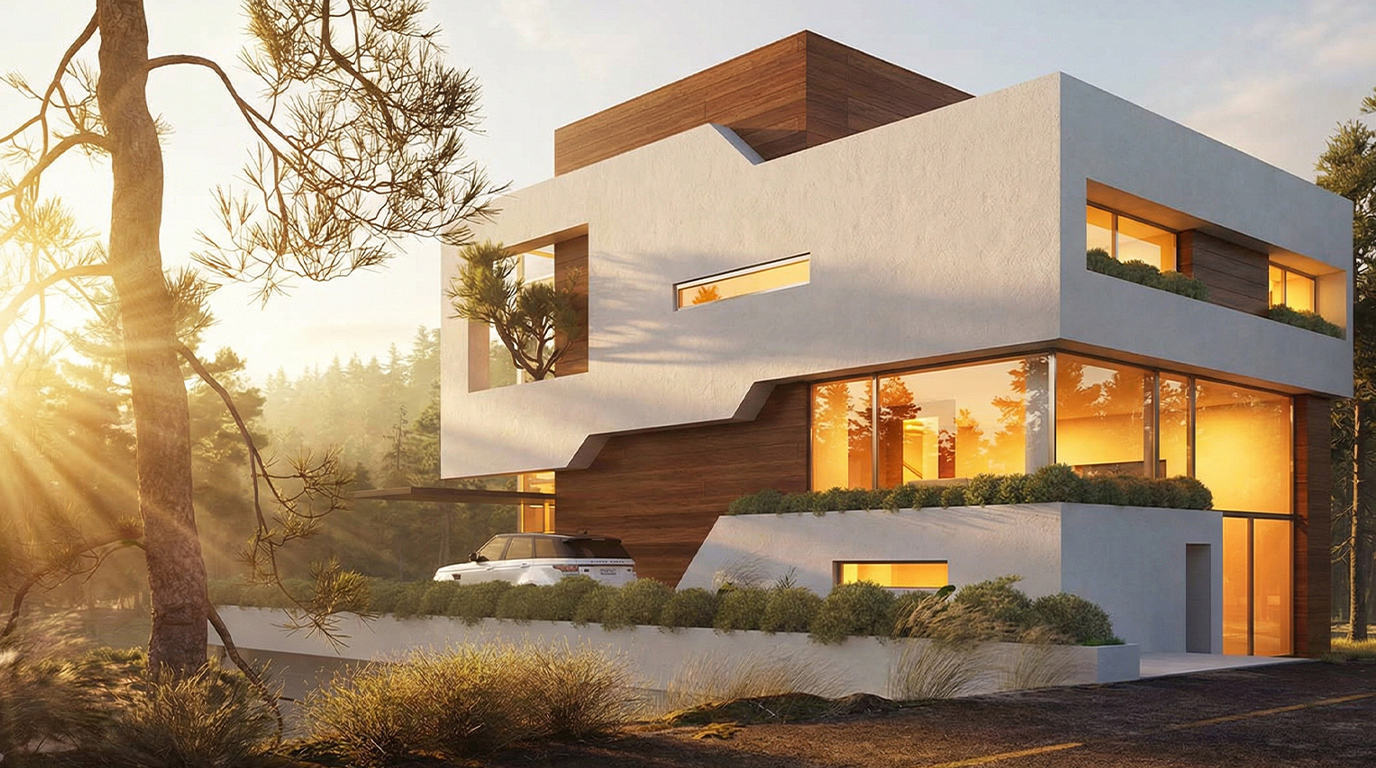
The MECHA HOME - D VILLA – MONTEVERDI – LEBANON
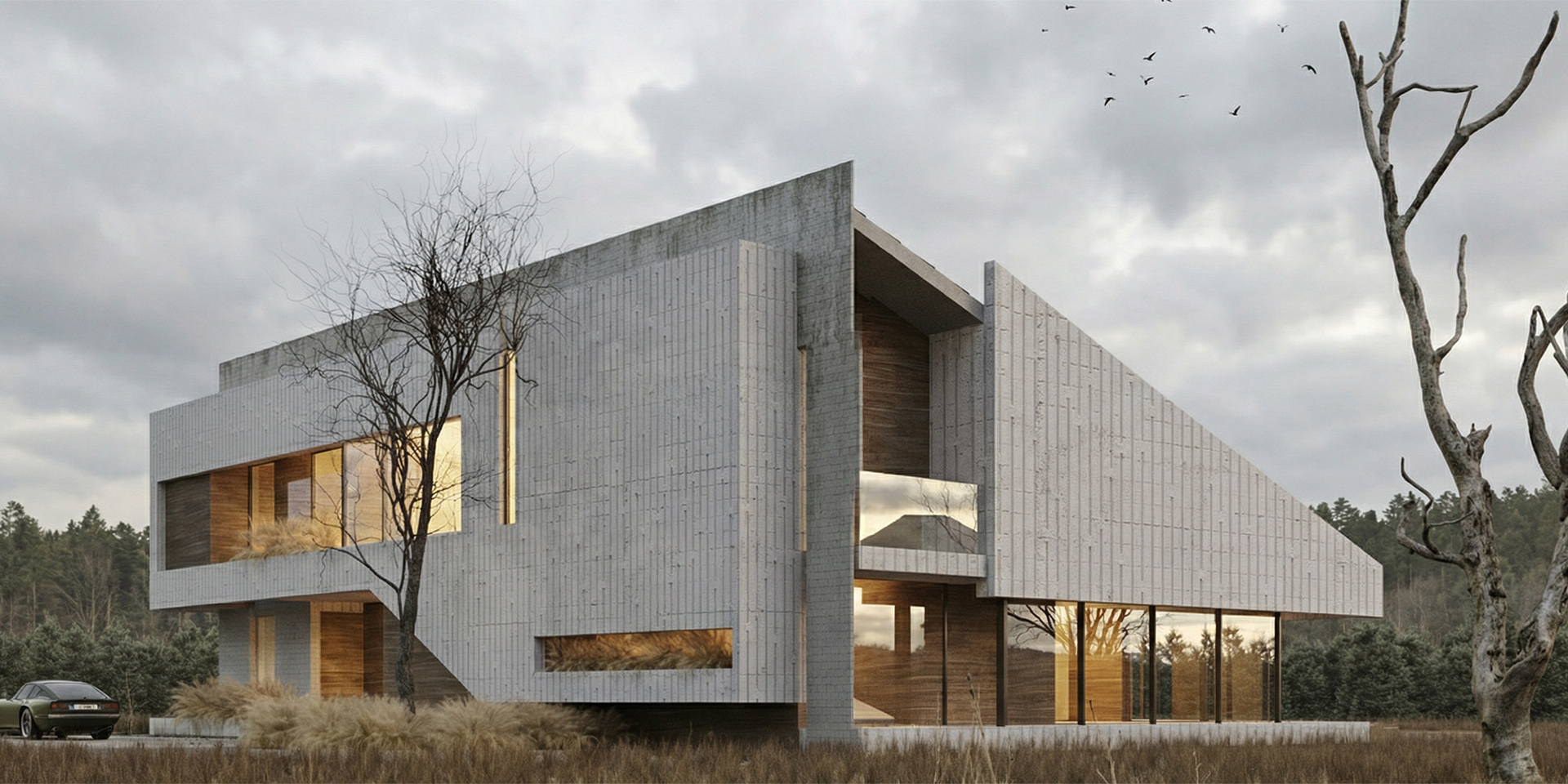
A Second Life in the Snow - AA CHALET REHABILITATION – ZAAROUR – LEBANON
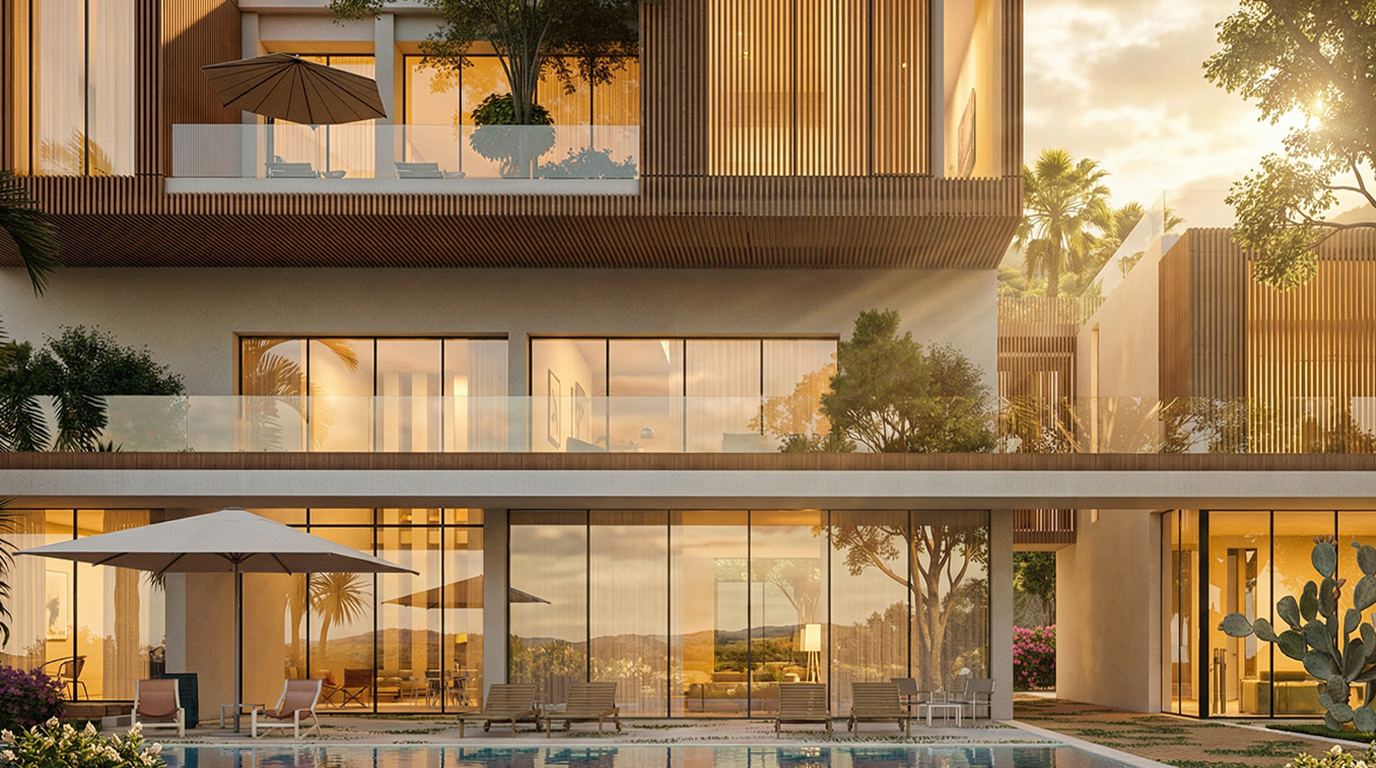
Facing the Horizon - P BEACH HOUSE - DOHA - QATAR
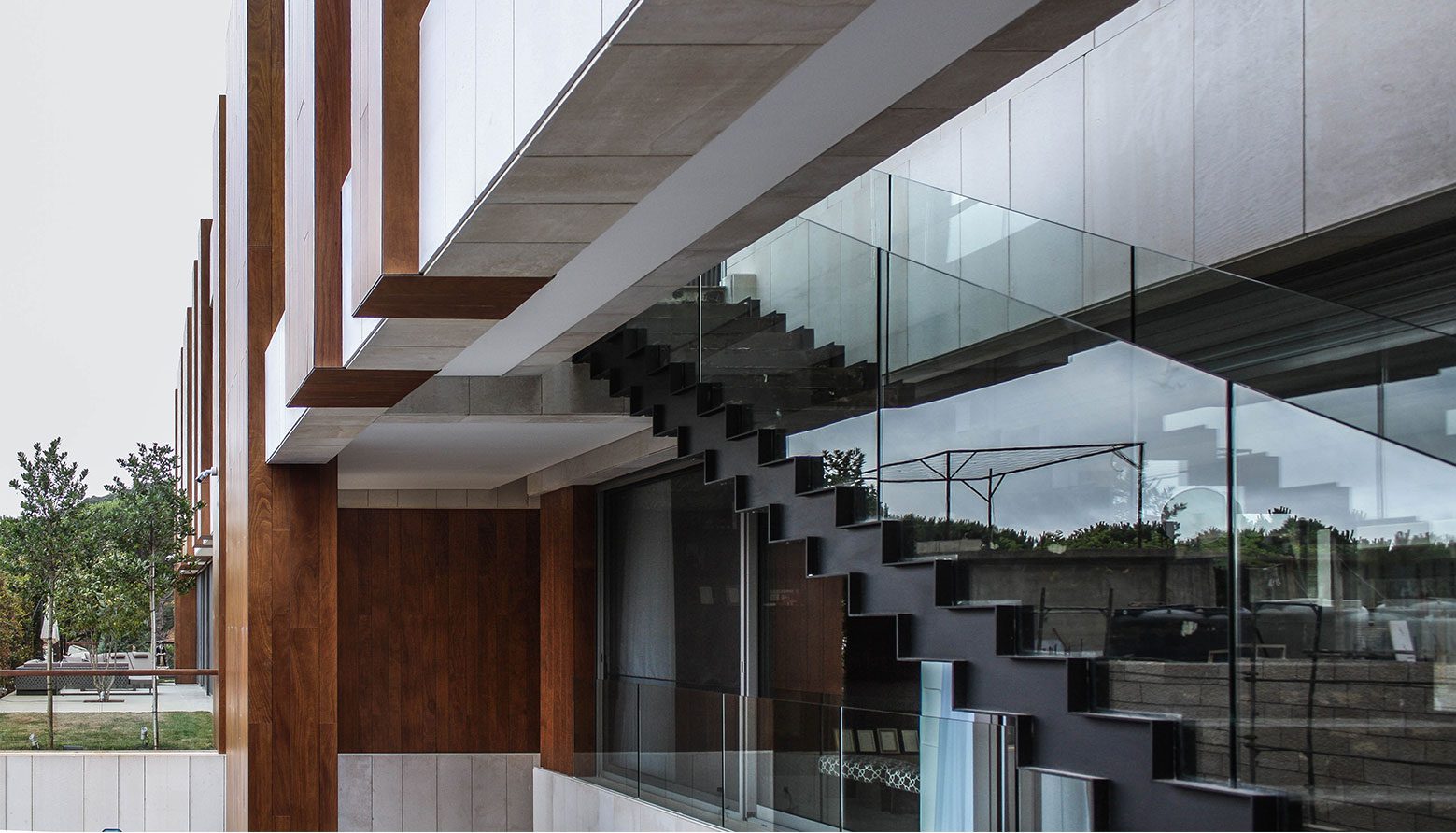
A Fragmented Harmony - D3 VILLA – MAR MOUSSA – LEBANON
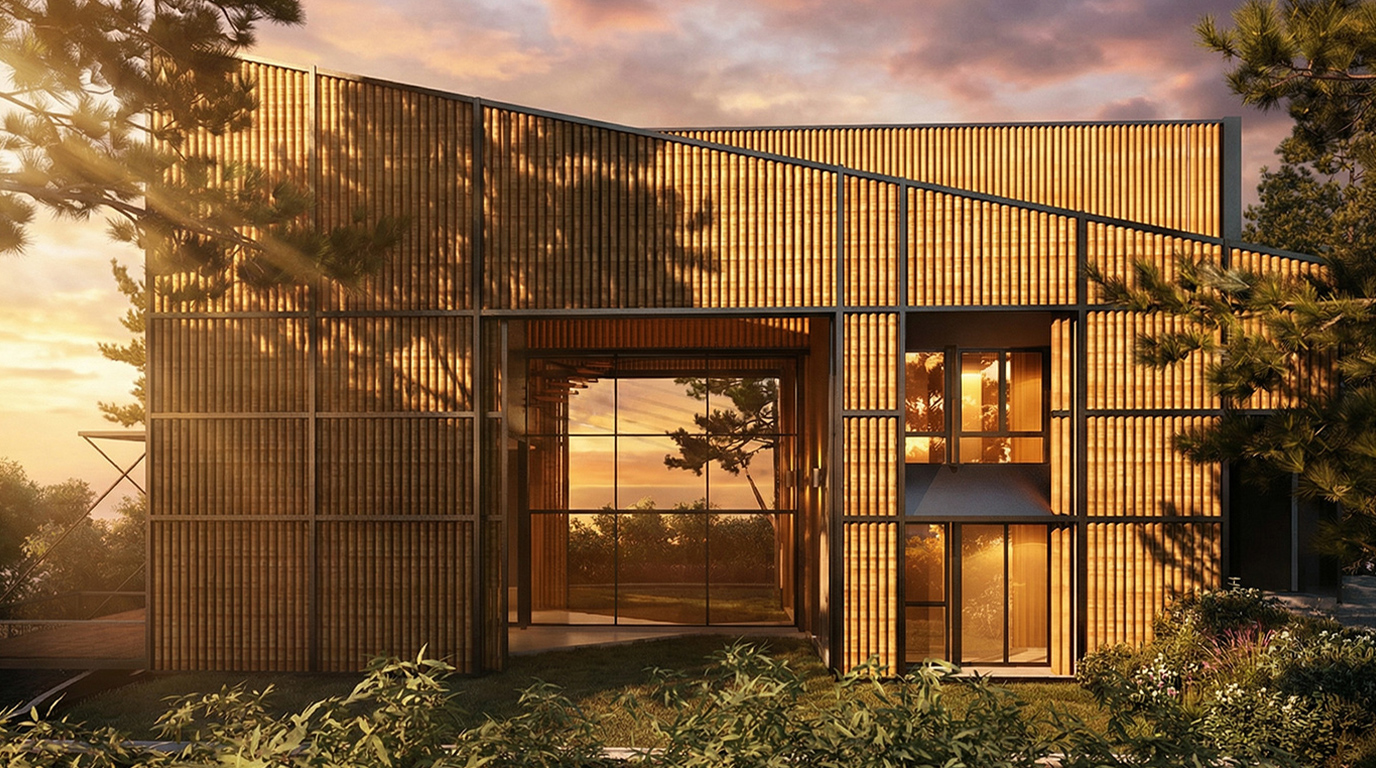
The Timber Threshold - B WOODEN VILLA – BAABDAT – LEBANON
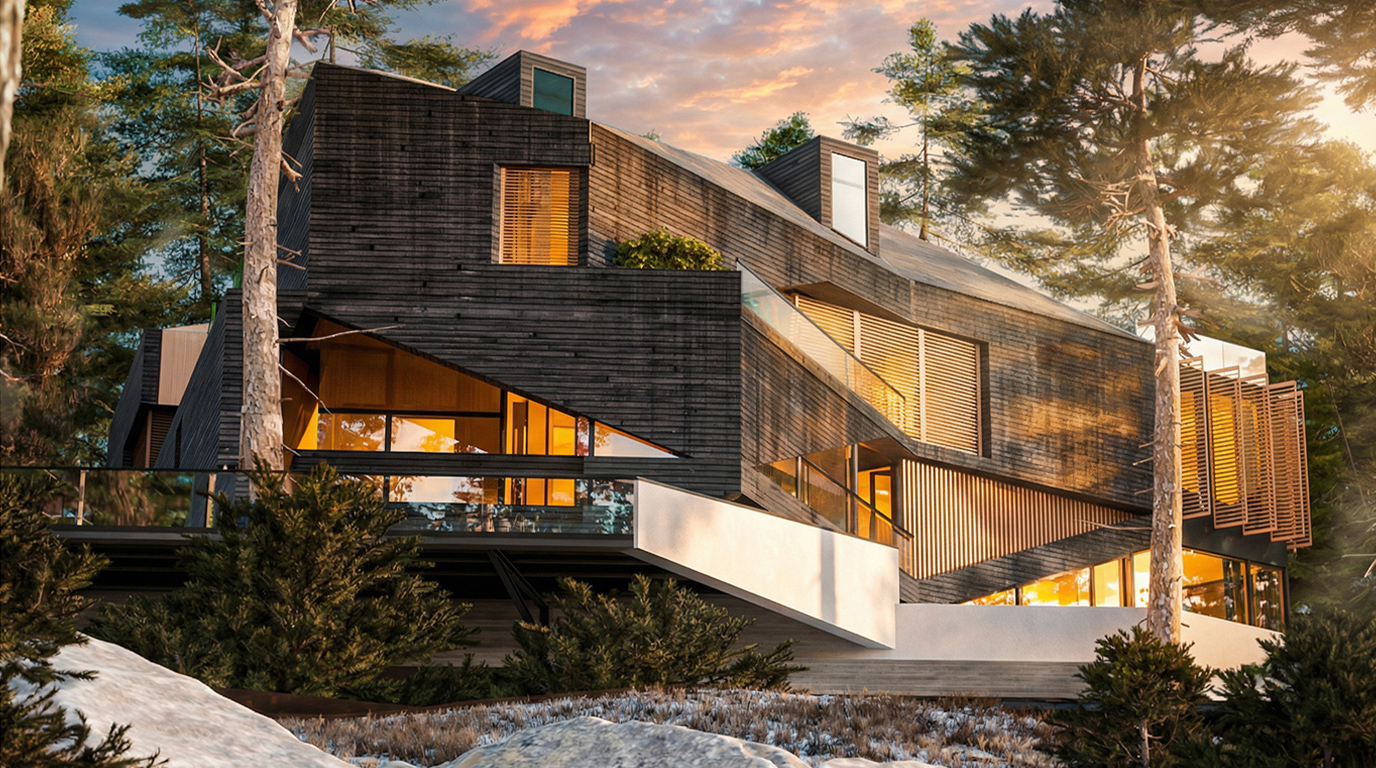
A Shelter Grown from the Forest - WOODEN LODGE - BAABDATH - LEBANON
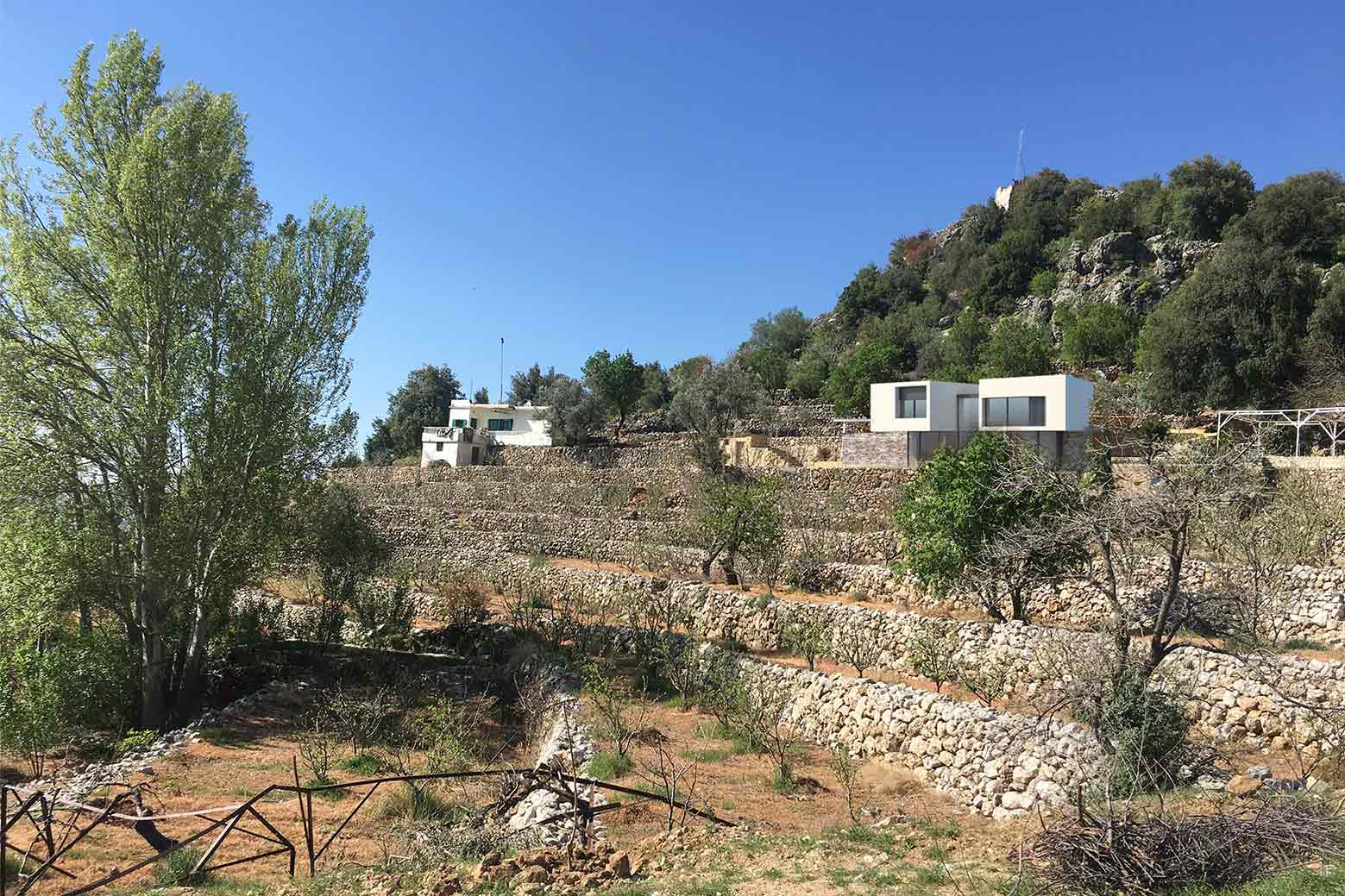
The discreet house - S PRIVATE RESIDENCE – AITANIT – LEBANON
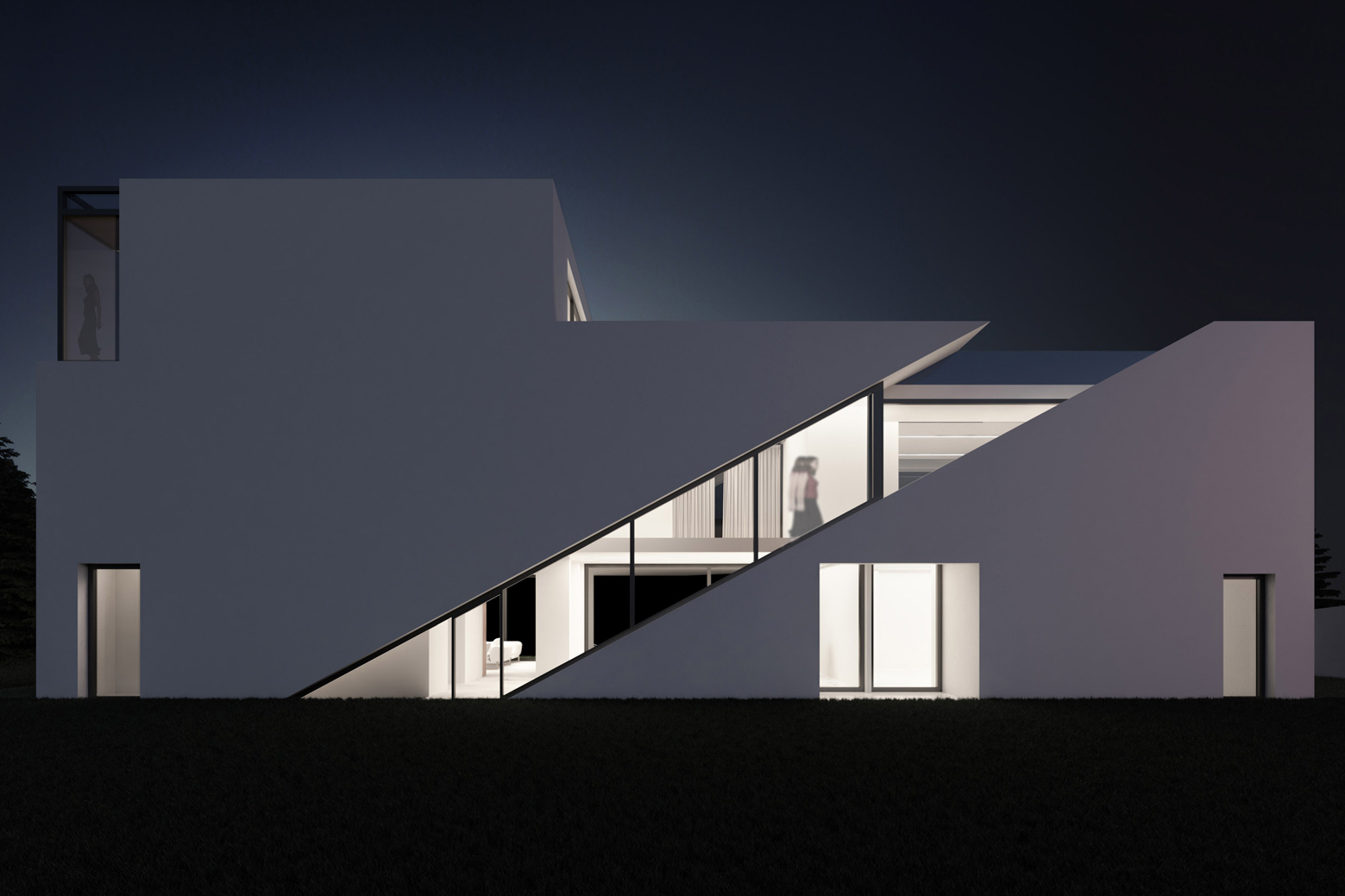
Between Antiquity and the Sea - T VILLA – TYRE – LEBANON
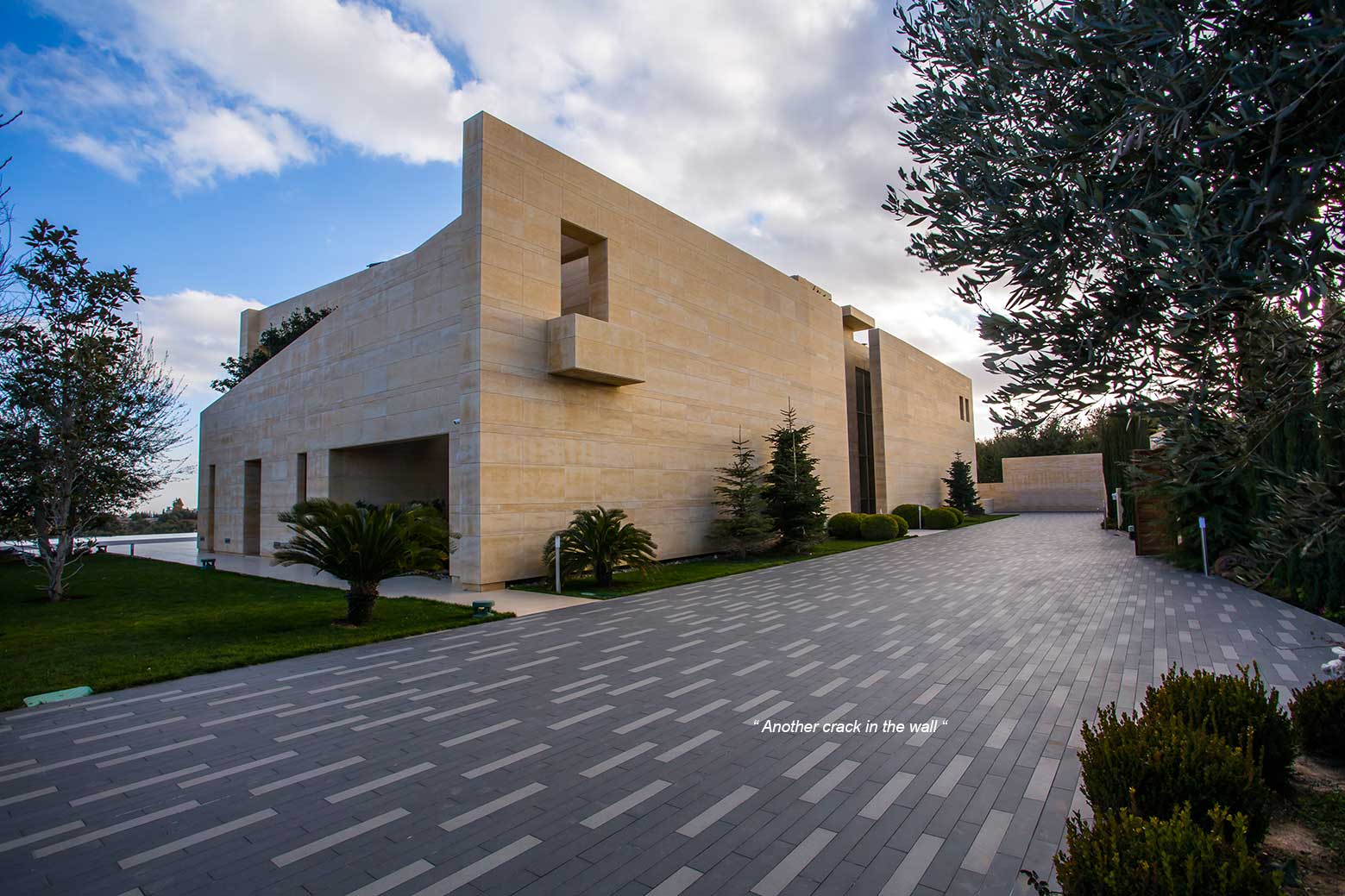
The Garden Within - I VILLA – AMMAN -JORDAN
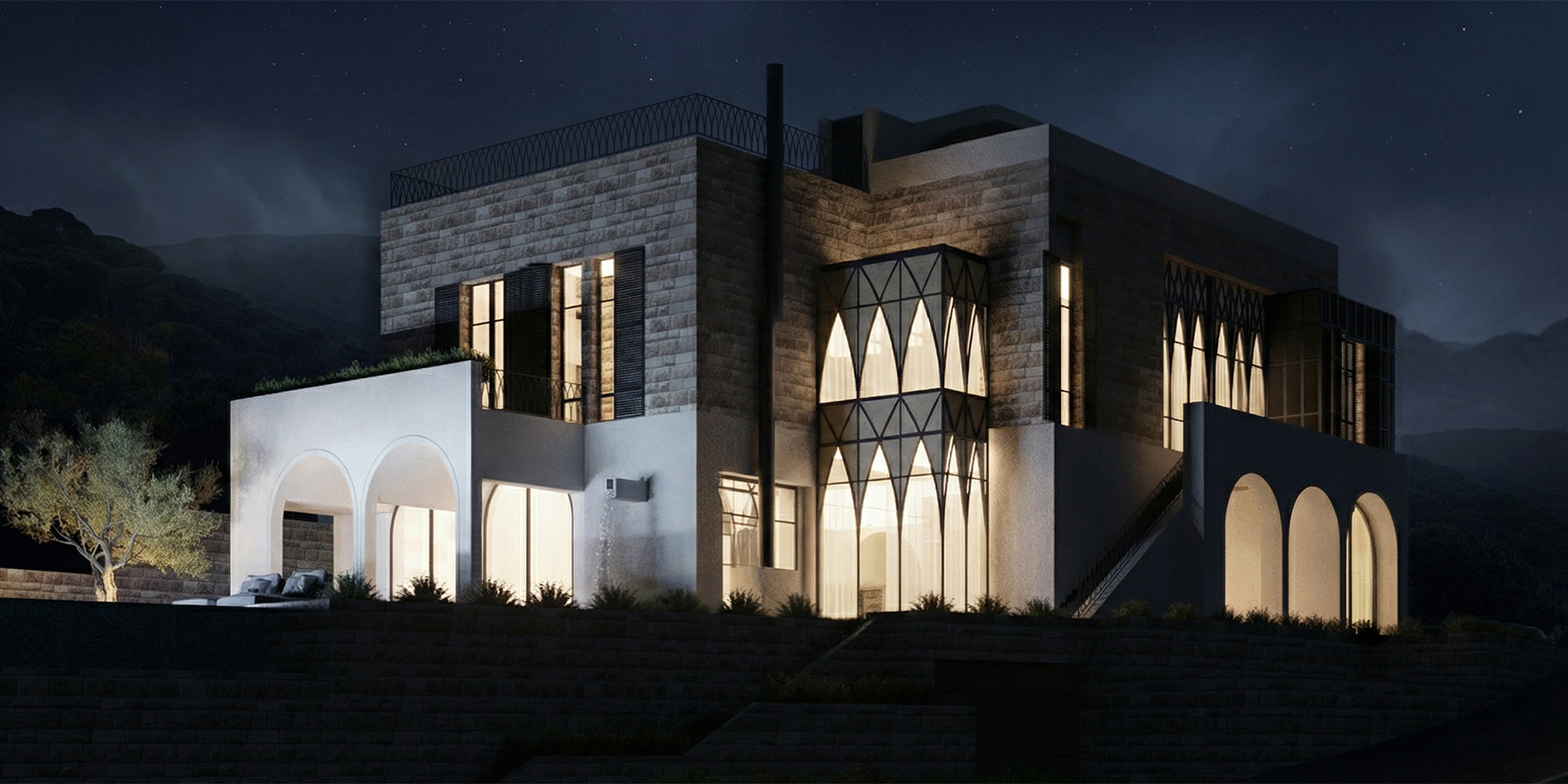
Light in Layers - DD VILLA - BAABDATH - LEBANON
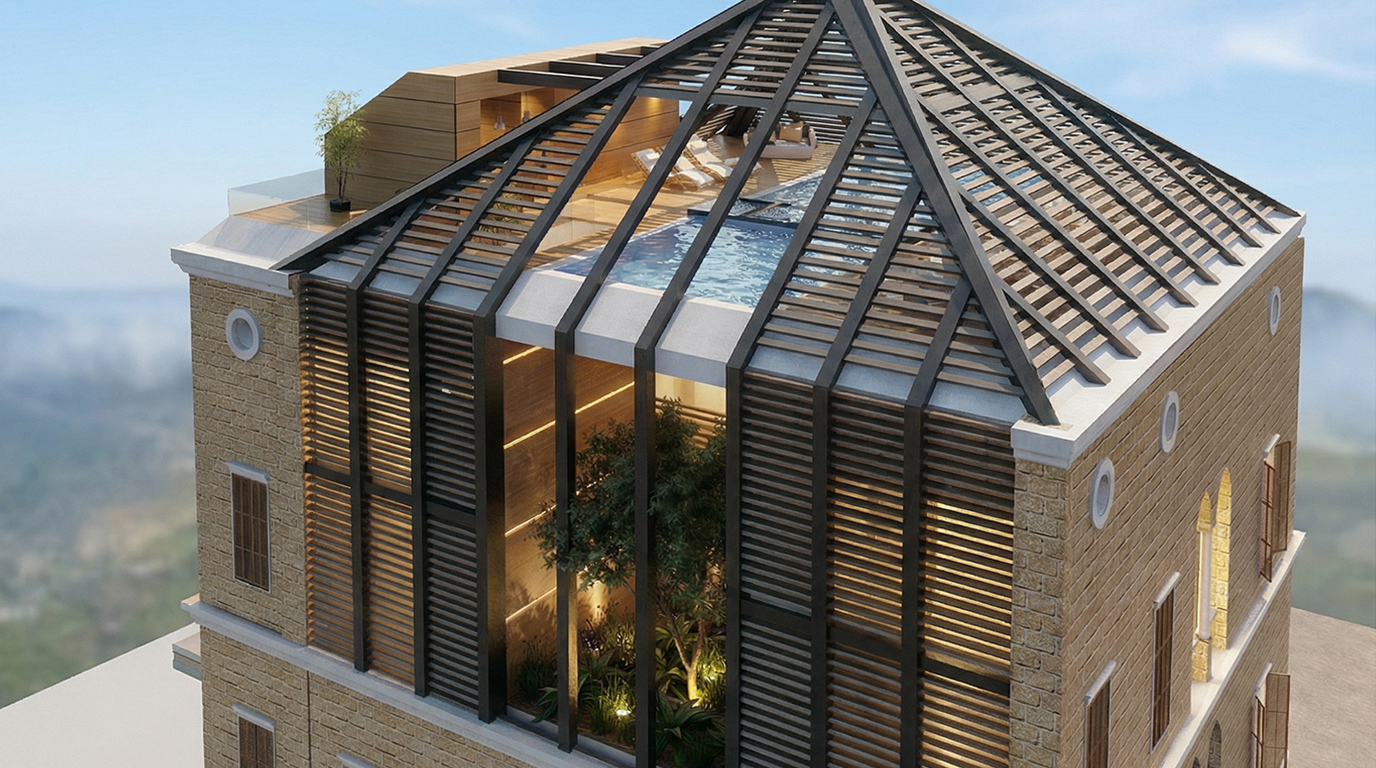
A Heritage Lane Reborn - C PRIVATE RESIDENCE – GEMMAYZE – LEBANON
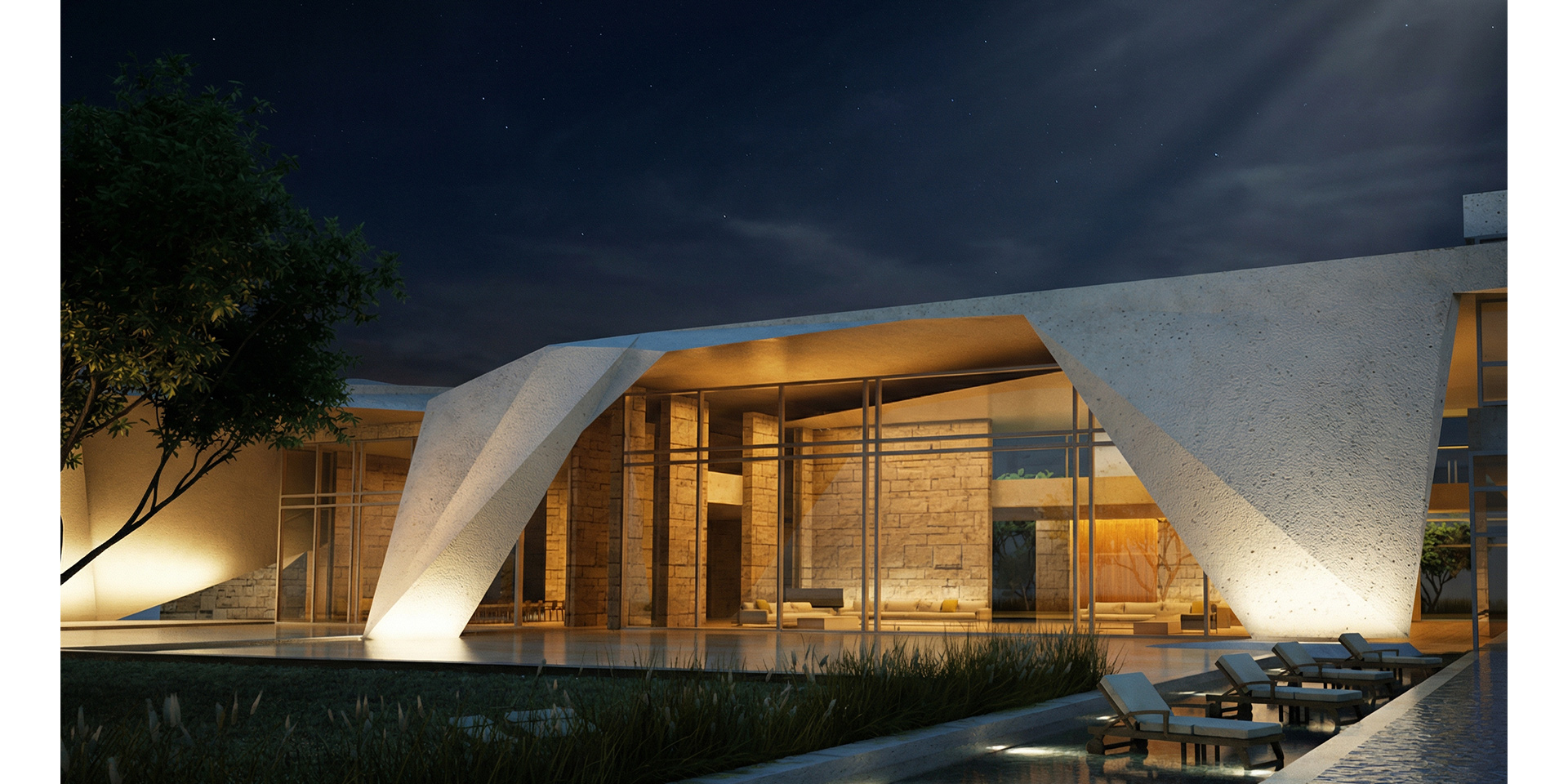
Architecture of the Estate - HH PRINCE BS FARM – TAEF – KSA
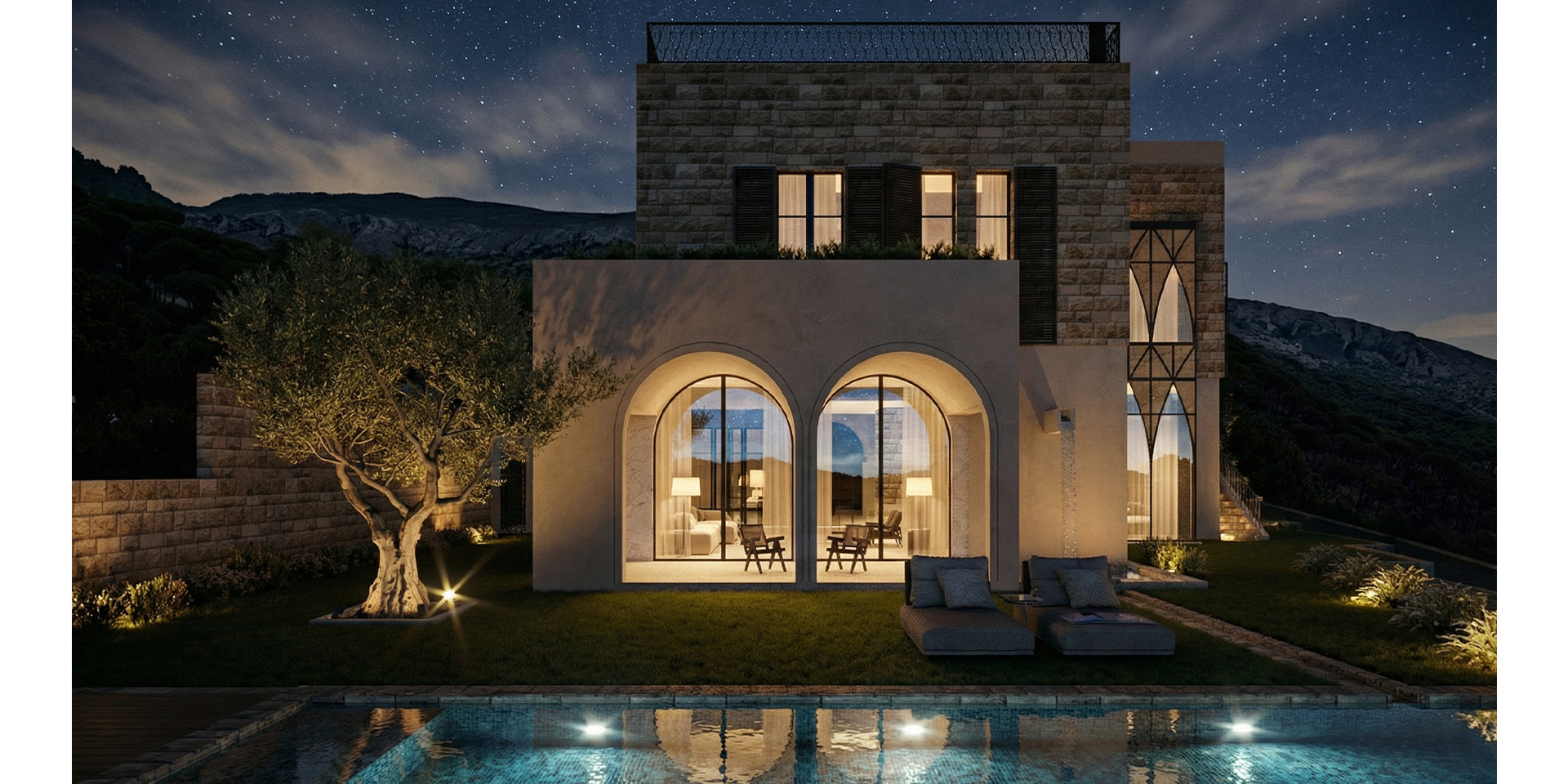
Stone and Silence - D VILLA - BAABDAT - LEBANON
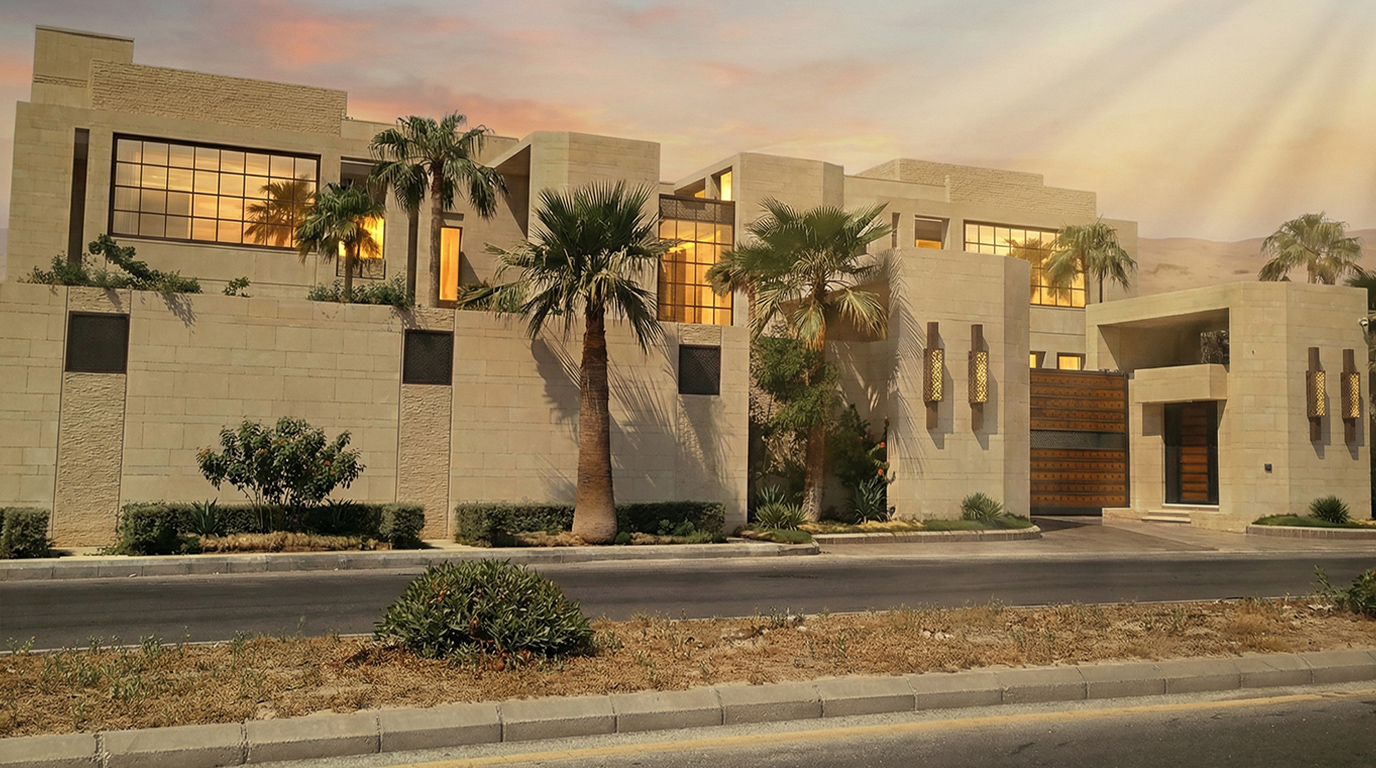
Shadow and Shelter - MS VILLA – KHOBAR – KSA
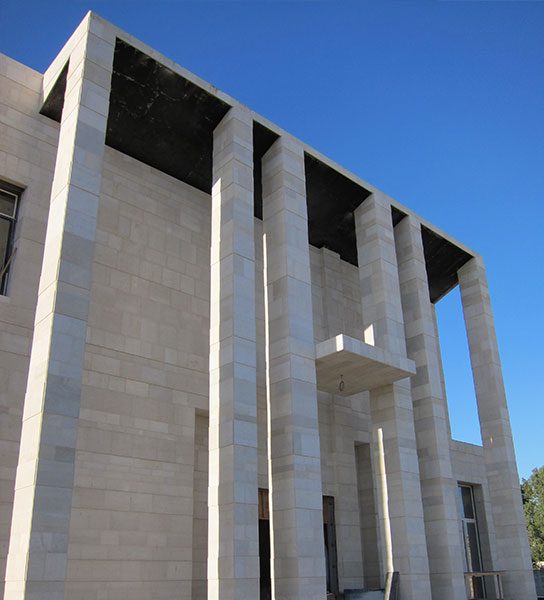
A Courtyard for the Gulf - ABA VILLA - DOHA - QATAR
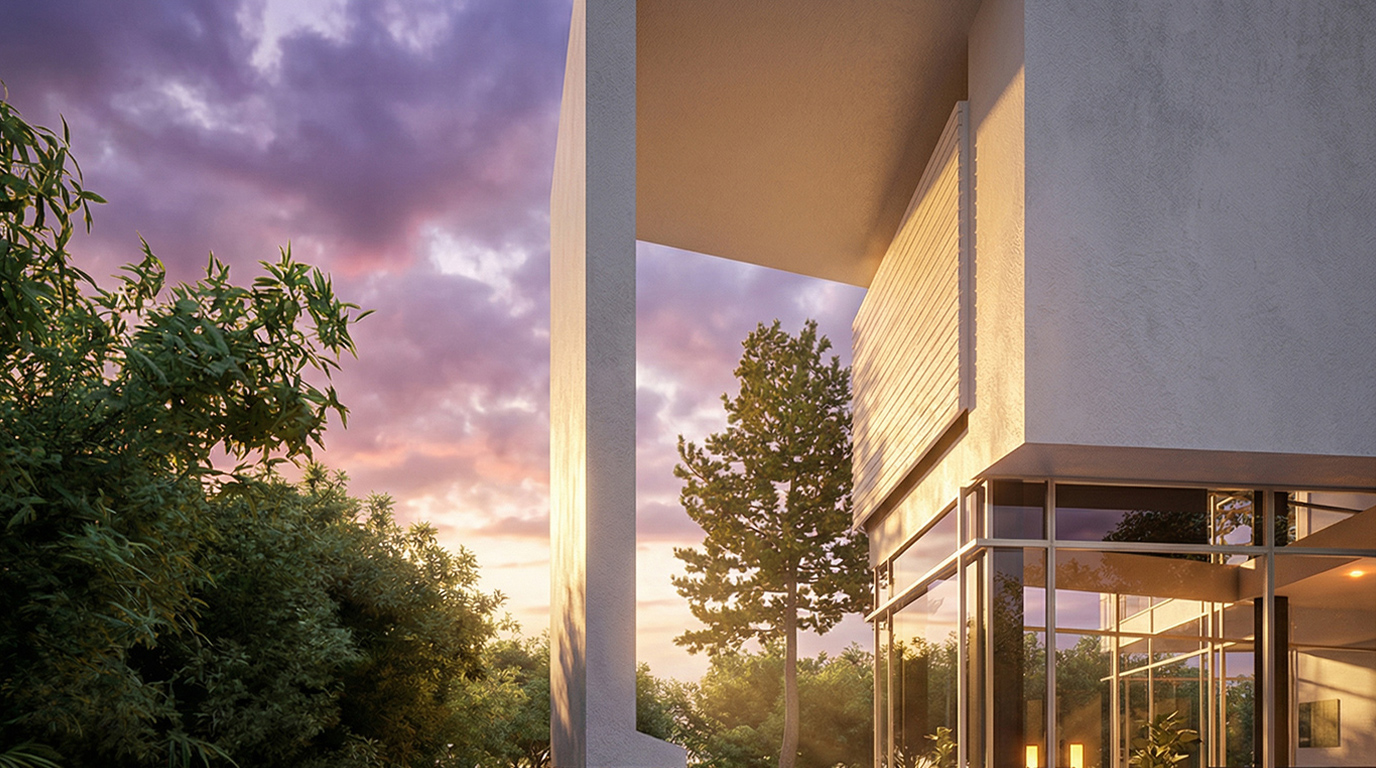
The Oblique House - RN VILLA – BAABDATH – LEBANON
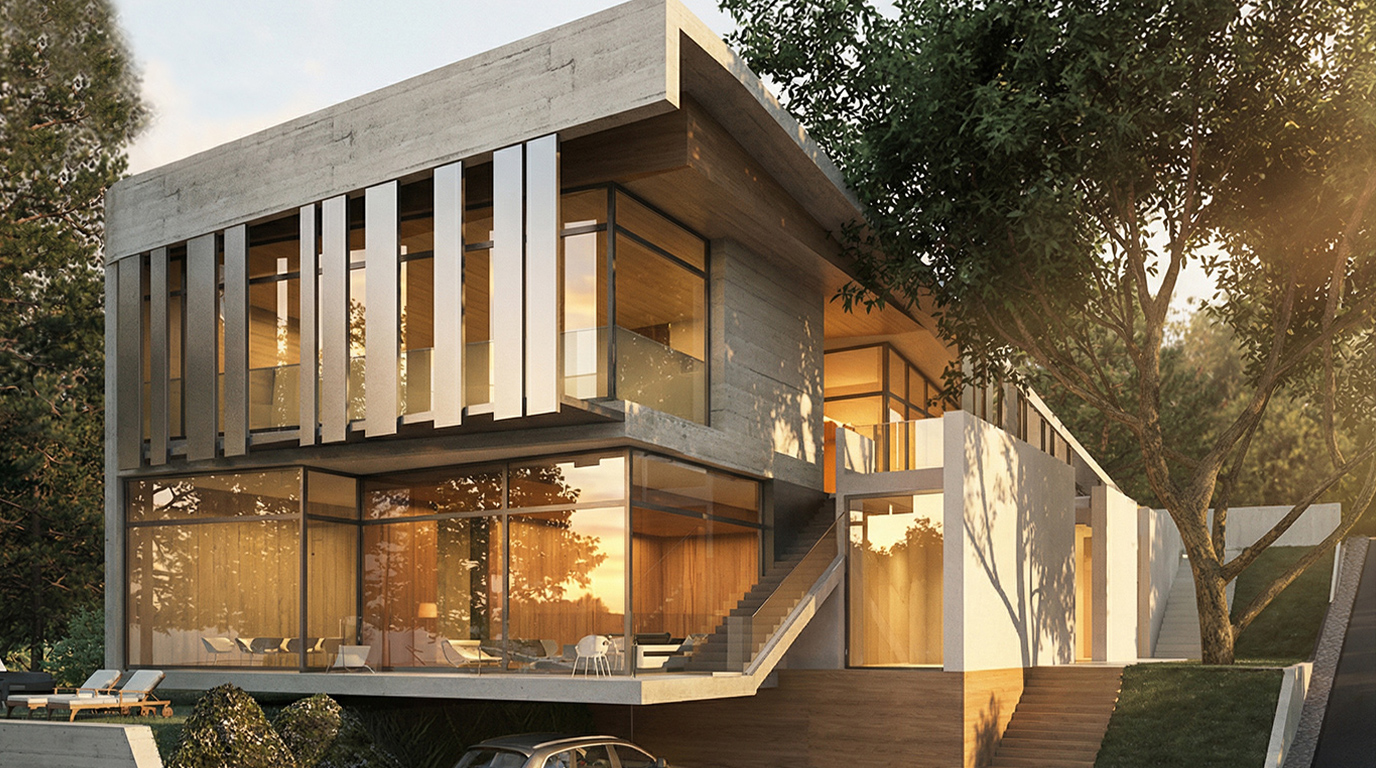
A House of Planes - S VILLA – AMMAN – JORDAN
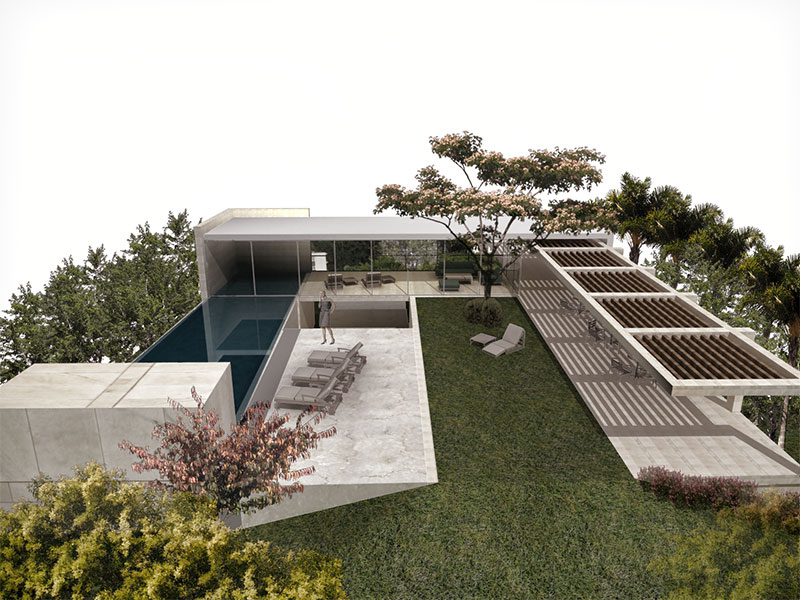
An Urban Home Extended - HH MS PRIVATE RESIDENCE EXTENSION – BEIRUT – LEBANON